
Yield‑Bearing Stablecoins Could Push Banks Into the Crypto Industry

Yield‑Bearing Stablecoins Could Push Banks Into the Crypto Industry
By
Leah Rosenfeld
Last updated:
January 22, 2026
First Published:
April 25, 2026

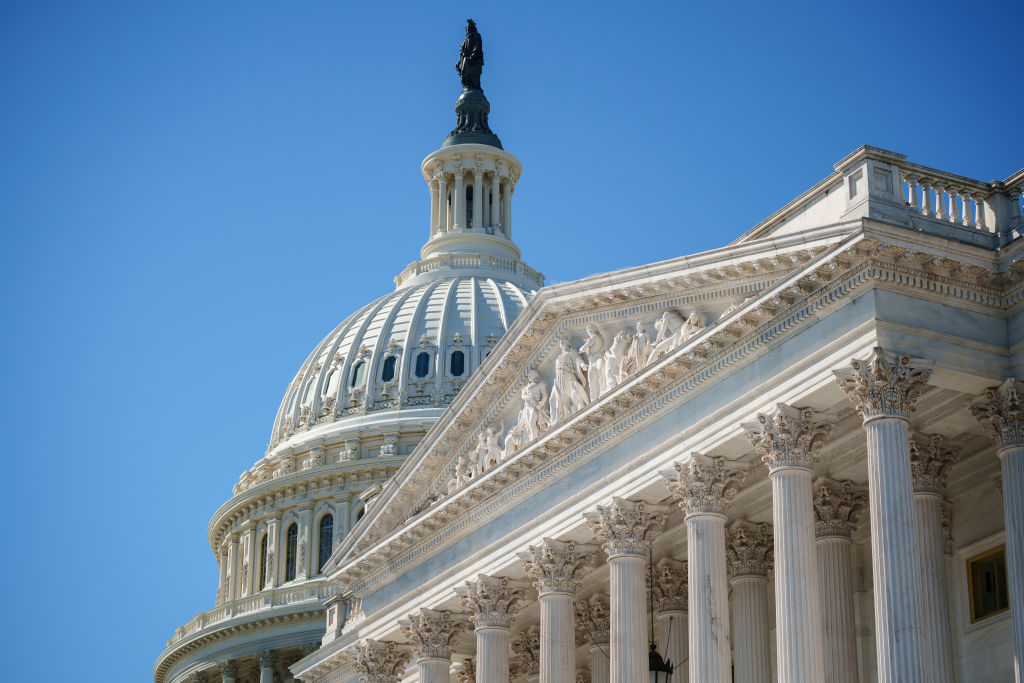
Getty Images
A New Financial Catalyst
Yield‑bearing stablecoins are emerging as a significant innovation in the cryptocurrency landscape. Unlike traditional stablecoins, which primarily aim to maintain a one‑to‑one peg with a fiat currency, yield‑bearing variants offer users the ability to earn interest on their holdings. This feature is attracting both retail investors and institutional players, creating a bridge between decentralized finance and traditional banking.
The Mechanics of Yield‑Bearing Stablecoins
These stablecoins function by deploying underlying funds into lending protocols or liquidity pools that generate returns. The yield is then distributed to holders, offering an alternative to conventional savings accounts or investment instruments. The ability to earn returns while maintaining the stability of a fiat‑pegged token represents a compelling value proposition, particularly in low‑interest environments.
Banks Take Notice
Financial institutions have started paying close attention to this innovation. Traditionally cautious banks are exploring partnerships with crypto platforms or developing their own digital products to remain competitive. The potential to attract deposits, expand lending capabilities, and participate in digital asset markets makes yield‑bearing stablecoins an area of strategic interest.
Regulatory Considerations
The growth of these products also raises regulatory questions. Compliance with anti‑money laundering standards, investor protections, and capital requirements is critical for both issuers and banks entering this space. As rules become clearer, the likelihood of wider adoption by regulated financial institutions increases, creating a pathway for mainstream integration of crypto assets.
Opportunities for Consumer Access
Yield‑bearing stablecoins provide everyday users with new opportunities for financial growth. Unlike traditional banking products, these tokens can be accessed globally, offering competitive yields without geographical restrictions. This opens financial services to populations underserved by conventional banking, while also introducing the broader public to digital asset ecosystems.
Impact on Banking Business Models
Banks exploring yield‑bearing stablecoins are rethinking traditional revenue structures. By participating in or issuing these instruments, they can enhance liquidity, offer new savings solutions, and integrate blockchain‑based efficiencies into their operations. This may lead to a convergence of traditional banking and decentralized finance, reshaping how financial services are delivered.
Innovation Without Sacrificing Stability
A critical challenge is ensuring that yield‑bearing stablecoins remain secure and maintain their peg. Issuers implement robust collateralization and risk‑management strategies to protect investors. Stability is paramount, and regulators are increasingly focused on frameworks that safeguard both the market and individual holders while allowing innovation to flourish.
Market Growth and Adoption
As awareness and trust in yield‑bearing stablecoins increase, adoption is likely to accelerate. Early movers, including fintech firms and forward‑thinking banks, may gain a competitive advantage. Widespread adoption could also encourage traditional investors to diversify their portfolios, combining conventional assets with digital holdings.
Challenges and Risks
Despite the opportunities, challenges remain. Market volatility, protocol vulnerabilities, and operational risks can impact performance and investor confidence. Additionally, integration with existing banking infrastructure requires significant investment and technical expertise. Navigating these complexities is essential for sustainable growth.
The Future of Banking Meets Crypto
Yield‑bearing stablecoins are poised to redefine the relationship between banks and digital assets. They offer a glimpse into a future where traditional financial institutions participate fully in the cryptocurrency ecosystem. The convergence of banking expertise with innovative token models may ultimately expand access, improve efficiency, and foster a more resilient financial landscape.

Popular articles



Subscribe to unlock premium content
Ripple and Bitso Expand Partnership as RLUSD Stablecoin Ecosystem Gains Momentum

Bybit Introduces Tokenized SpaceX IPO Shares in Landmark Real World Asset Initiative

Crypto Tax Debate Intensifies in Washington Over Mining and Staking Rewards

Ripple and Bitso Expand Partnership as RLUSD Stablecoin Ecosystem Gains Momentum
Bybit Introduces Tokenized SpaceX IPO Shares in Landmark Real World Asset Initiative
Ripple and Bitso Expand Partnership as RLUSD Stablecoin Ecosystem Gains Momentum