
Crypto News and Market Movements for January 30, 2026
By
Leah Rosenfeld
Last updated:
January 30, 2026
First Published:
January 30, 2026

Overview of the Day’s Market Activity
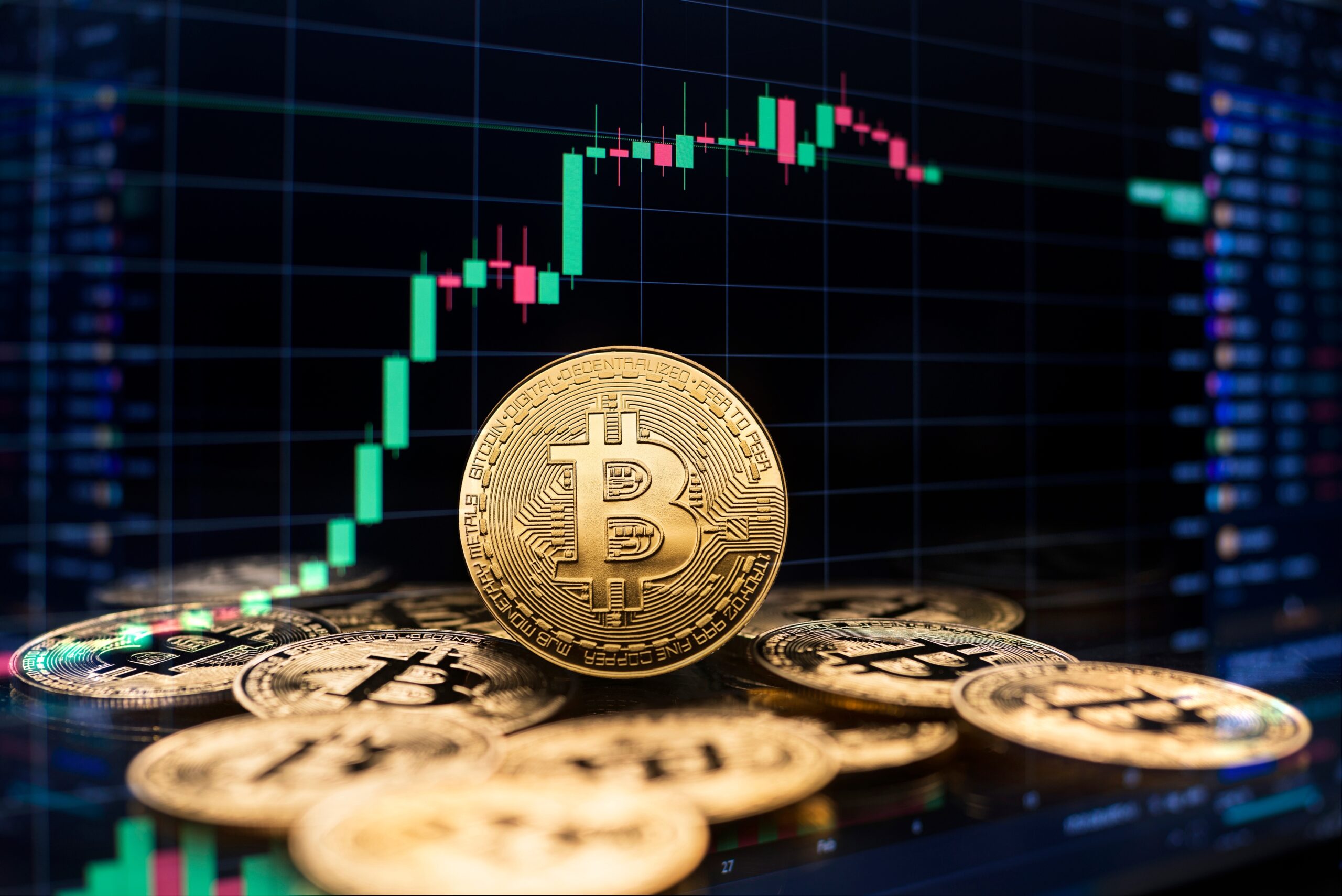
January 30, 2026, saw continued turbulence across cryptocurrency markets with Bitcoin, Ethereum, and major altcoins all experiencing volatility. Traders and investors closely monitored price fluctuations, liquidations, and market sentiment as the sector responded to macroeconomic developments and regulatory news. The day highlighted the interconnectedness of digital assets and the sensitivity of markets to both internal and external factors.
Bitcoin’s Price Behavior
Bitcoin remained under pressure, testing support levels and recording notable declines throughout the day. The leading cryptocurrency’s movements set the tone for the wider market, influencing sentiment and trading decisions across altcoins. Analysts emphasized that short-term volatility remains high, but long-term fundamentals, including network activity and adoption, remain intact.
Ethereum and Altcoin Movements
Ethereum and other large-cap altcoins mirrored Bitcoin’s trajectory with downward pressure on prices. Mid-cap and small-cap tokens were particularly affected by leveraged positions and panic selling, showing the cascading effect of Bitcoin’s volatility. Despite these declines, some projects continued to see strong network usage and development activity, underscoring that market price does not always reflect technological progress.
Trading Volumes and Liquidity
Trading volumes spiked as investors responded to rapid price swings. Exchanges reported increased activity across spot and derivatives markets, reflecting heightened interest in both short-term trading opportunities and risk management. Liquidity varied across tokens, with high-volume assets showing more resilience while smaller projects faced sharper price moves.
Regulatory and Policy Developments
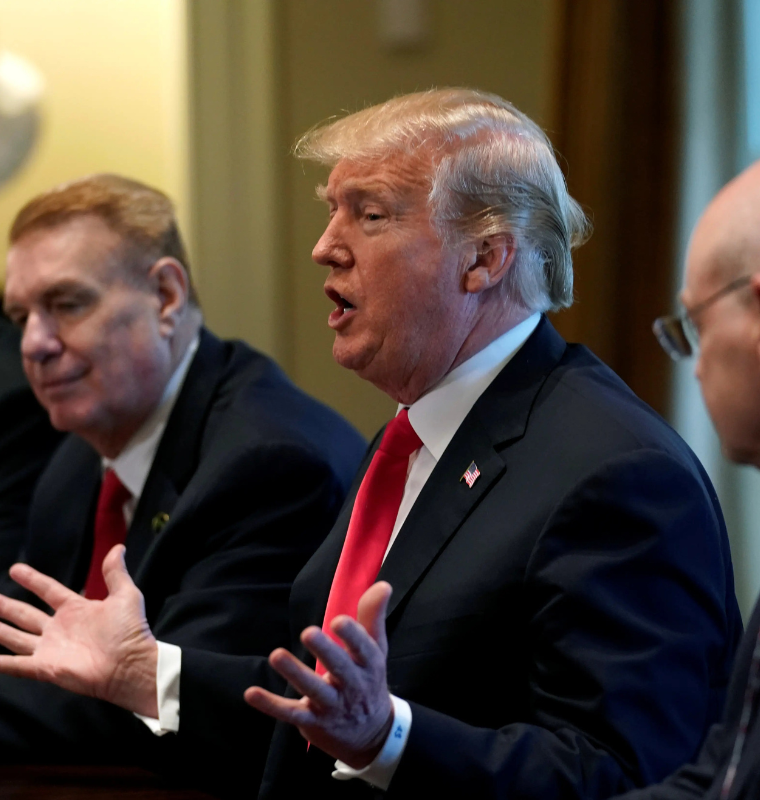
News surrounding U.S. regulatory initiatives, including proposed guidance from the Trump administration, influenced market sentiment. The anticipation of clearer rules created cautious optimism among institutional investors while prompting some traders to reduce exposure until regulatory certainty emerges. These developments emphasize the ongoing interaction between policy and market dynamics.
Investor Psychology and Market Sentiment
Fear and uncertainty played a key role in market behavior. Short-term traders reacted quickly to price drops, while long-term holders largely maintained positions. This divergence highlights different strategies and risk tolerances within the market, with experienced investors often viewing volatility as an opportunity rather than a threat.
Technological and Network Activity
Despite price swings, blockchain networks continued to operate smoothly. Transaction volumes, smart contract activity, and network participation metrics remained robust, suggesting that underlying technology adoption continues to progress even during market stress. This decoupling between price and utility is an important consideration for long-term investors.
Global Macroeconomic Influence
Broader financial conditions, including global liquidity and interest rate trends, affected crypto market performance. Reduced speculative capital inflows and cautious sentiment across traditional financial markets contributed to digital asset price adjustments. Bitcoin and altcoins continue to be influenced by global economic developments despite their decentralized nature.
Market Opportunities Amid Volatility
Periods of intense volatility often present opportunities for strategic investors. Projects with strong fundamentals, active user engagement, and sustainable tokenomics may offer favorable entry points during market downturns. Traders who remain disciplined and informed can take advantage of temporary dislocations in price.
Conclusion and Outlook
The cryptocurrency market on January 30, 2026, illustrated the dynamic nature of digital assets. While short-term volatility remains a defining feature, long-term trends in adoption, technology, and infrastructure continue to progress. Investors must navigate these fluctuations carefully while keeping focus on broader developments that influence market direction.
Popular articles



Subscribe to unlock premium content
Disney’s Timeless Magic and How the Entertainment Giant Continues to Shape Culture and Innovation

Imran Khan’s Economic Missteps Amid Political Chaos in Pakistan

The Philippines’ Digital Shift How Remittances and BPO Are Fueling Growth

Disney’s Timeless Magic and How the Entertainment Giant Continues to Shape Culture and Innovation
Imran Khan’s Economic Missteps Amid Political Chaos in Pakistan
Disney’s Timeless Magic and How the Entertainment Giant Continues to Shape Culture and Innovation