U.S. Senate Committee Advances Crypto Regulatory Bill Facing Partisan Hurdles

U.S. Senate Committee Advances Crypto Regulatory Bill Facing Partisan Hurdles
By
Rachel Steinberg
Last updated:
January 30, 2026
First Published:
January 30, 2026

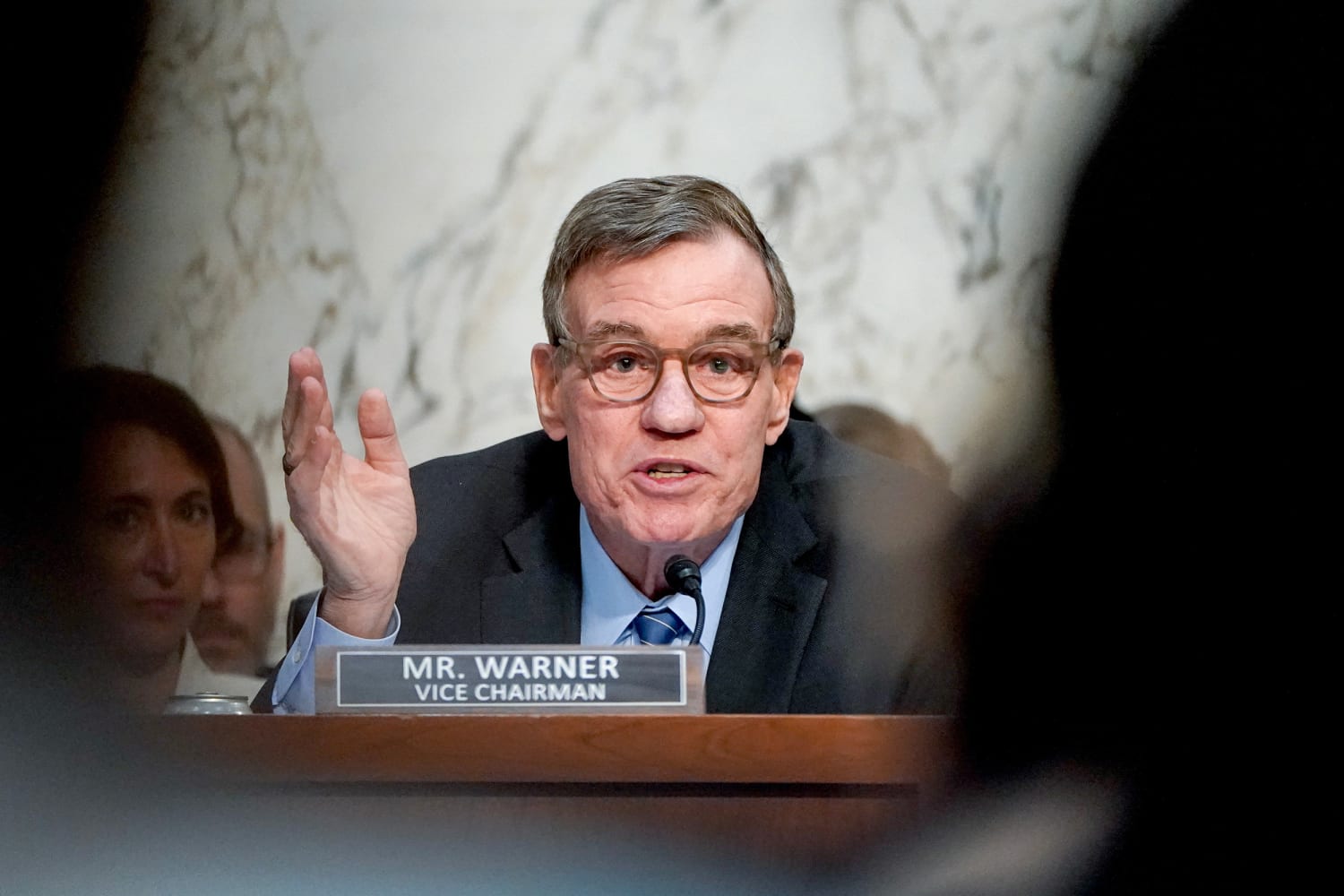
Photo: NBC News
Overview of Legislative Movement
A key cryptocurrency regulatory bill recently advanced through a United States Senate committee, signaling progress toward establishing a more structured framework for digital assets. The legislation seeks to define responsibilities for regulators, clarify compliance standards for exchanges and projects, and protect investors. Despite its advancement, partisan challenges remain a significant obstacle to full approval.
Intent and Goals of the Bill
The proposed law aims to reduce ambiguity in the crypto sector, which has long been criticized for unclear regulatory guidance. By establishing clear rules for market conduct, reporting requirements, and security classifications, the bill intends to foster transparency while encouraging innovation. Supporters argue that a defined legal framework could attract institutional capital and strengthen market confidence.
Market Reaction
Following the news, the cryptocurrency market displayed cautious optimism. Some investors welcomed potential regulatory clarity as a positive signal for long-term stability, while others remained concerned that stricter rules could limit trading flexibility and impose additional compliance burdens on projects. This mixed response reflects the market’s sensitivity to legislative developments and uncertainty about the bill’s final content.
Partisan Challenges
The bill faces political hurdles as differing party priorities create tension around how cryptocurrencies should be regulated. Some lawmakers advocate for strict oversight to prevent fraud and protect consumers, while others favor a lighter touch to support technological innovation. Resolving these conflicting perspectives will be key to the legislation’s passage and overall effectiveness.
Implications for Exchanges
Cryptocurrency exchanges are likely to be directly impacted by the bill, particularly regarding licensing, reporting, and operational standards. Clearer rules could reduce legal uncertainty and encourage new platforms to enter the market. However, increased compliance requirements may raise operational costs, affecting smaller exchanges disproportionately.
Impact on Startups and Blockchain Projects
For startups and blockchain developers, the legislation could provide clarity about which business models comply with federal standards. Projects focused on decentralized finance, token issuance, and smart contracts may benefit from predictable legal frameworks, although the scope and specifics of compliance obligations remain critical factors.
Investor Considerations
For retail and institutional investors, regulatory clarity could reduce perceived risk and promote wider adoption of digital assets. Defined legal boundaries may also improve confidence in asset classification, trading practices, and investor protections. Some market participants, however, fear that overly restrictive measures could limit innovation or slow growth in the sector.
International Context
The U.S. legislative approach to cryptocurrency is closely watched globally. Clear rules in a major market could influence regulations in other jurisdictions and potentially standardize certain industry practices internationally. Conversely, delays or excessive restrictions could prompt companies to shift operations abroad to more favorable regulatory environments.
Potential Outcomes and Timeline
While the bill’s committee advancement is a positive step, it still requires approval from the full Senate and House. Negotiations over amendments, scope, and enforcement mechanisms could significantly delay enactment. Industry stakeholders continue to monitor developments closely, anticipating both opportunities and challenges arising from the new legal framework.
Long-Term Implications for the Crypto Market
If passed, the legislation could serve as a foundation for sustainable growth in the U.S. crypto market. Clear rules may attract long-term capital, reduce fraud risk, and integrate digital assets more fully into the mainstream financial system. Conversely, delays or heavy-handed regulations could slow adoption and prompt market volatility as participants adjust to new standards.

Popular articles



Subscribe to unlock premium content
Disney’s Timeless Magic and How the Entertainment Giant Continues to Shape Culture and Innovation

Imran Khan’s Economic Missteps Amid Political Chaos in Pakistan

The Philippines’ Digital Shift How Remittances and BPO Are Fueling Growth

Disney’s Timeless Magic and How the Entertainment Giant Continues to Shape Culture and Innovation
Imran Khan’s Economic Missteps Amid Political Chaos in Pakistan
Disney’s Timeless Magic and How the Entertainment Giant Continues to Shape Culture and Innovation