
XRP Drops Five Percent as Market Weakness Spreads
By
Leah Rosenfeld
Last updated:
January 30, 2026
First Published:
January 30, 2026

Market Reaction Overview
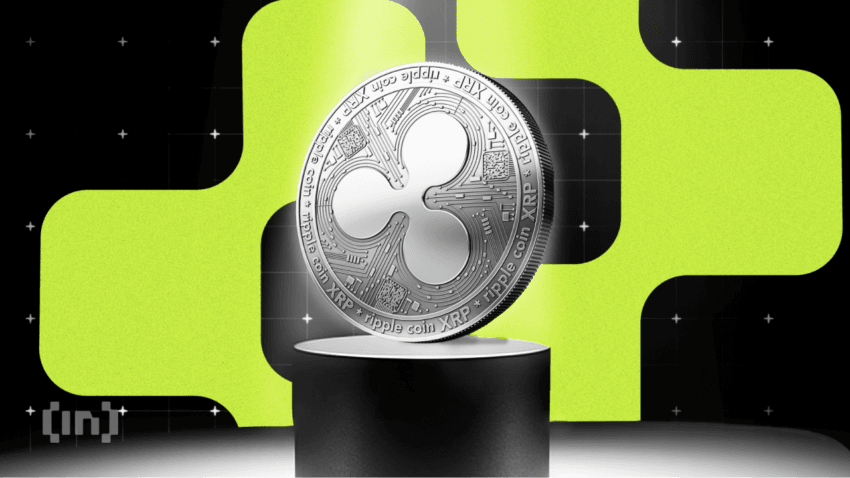
XRP, the cryptocurrency associated with Ripple, experienced a notable decline as the broader digital asset market faced selling pressure. The token fell approximately five percent within a single trading session, highlighting its sensitivity to Bitcoin’s price movements. This drop reflects ongoing volatility and demonstrates how market sentiment can quickly shift across interlinked cryptocurrencies.
Connection to Bitcoin
Bitcoin continues to serve as the primary benchmark for risk assessment in the cryptocurrency market. XRP’s price decline closely mirrored Bitcoin’s downward trend, underlining the strong correlation between leading digital assets. Traders often use Bitcoin’s movements as a guide for positions in altcoins, which can amplify market-wide reactions during periods of stress.
Investor Behavior
The sell off in XRP was accompanied by defensive positioning among investors. Many traders opted to reduce exposure to speculative assets, moving capital into stablecoins or fiat currency. This risk-averse behavior contributes to accelerated declines in tokens perceived as higher risk, including XRP, despite its established infrastructure and utility in cross-border payments.
Market Technicals
From a technical standpoint, XRP broke through several short-term support levels during the sell off. These breaches often trigger automated sell orders and algorithmic trading activity, adding to the downward pressure. The token’s relative volatility makes it susceptible to rapid price swings during periods of broader market instability.
Broader Altcoin Implications
XRP’s decline reflects a trend affecting many mid-tier and large-cap altcoins. As Bitcoin struggles, altcoins often follow in a chain reaction that can erase gains achieved during prior bullish periods. This phenomenon demonstrates how deeply interlinked the crypto market remains, with limited capacity for individual assets to decouple from leading market trends.
Ripple Network Fundamentals
Despite price movements, the underlying Ripple network continues to see adoption in cross-border payment solutions. Transaction volumes and partnerships remain steady, suggesting that while market sentiment drives short-term price volatility, the network’s real-world utility persists.
Influence of Leverage
Leverage in crypto markets amplified XRP’s price decline. Traders holding positions with borrowed capital faced liquidations as the token fell, contributing to a cascading effect that exacerbated the sell off. This structural feature of modern cryptocurrency trading can intensify volatility during periods of market stress.
Macro Environment Factors
Global financial conditions continue to affect cryptocurrencies, including XRP. Cautious investment sentiment, tighter monetary policies, and reduced speculative capital inflows have combined to pressure the crypto market. Tokens like XRP, despite practical applications, remain vulnerable to these macroeconomic dynamics.
Short-Term Outlook
In the near term, XRP may continue to experience volatility as traders react to both Bitcoin’s performance and overall market sentiment. Key support levels will determine the token’s ability to stabilize, and recovery may depend on renewed investor confidence in the broader crypto ecosystem.
Long-Term Perspective
Over the long term, XRP’s adoption for cross-border payments and enterprise solutions may provide a stabilizing influence. While market fluctuations will continue, tokens with clear utility like XRP are better positioned to regain investor confidence once volatility subsides. Strategic accumulation during dips may offer opportunities for long-term holders.
Popular articles



Subscribe to unlock premium content
Disney’s Timeless Magic and How the Entertainment Giant Continues to Shape Culture and Innovation

Imran Khan’s Economic Missteps Amid Political Chaos in Pakistan
The Philippines’ Digital Shift How Remittances and BPO Are Fueling Growth

Disney’s Timeless Magic and How the Entertainment Giant Continues to Shape Culture and Innovation
Imran Khan’s Economic Missteps Amid Political Chaos in Pakistan
Disney’s Timeless Magic and How the Entertainment Giant Continues to Shape Culture and Innovation