Trump Administration Regulators Ready to Outline New Crypto Rules

Trump Administration Regulators Ready to Outline New Crypto Rules
By
David Goldfarb
Last updated:
January 30, 2026
First Published:
January 30, 2026

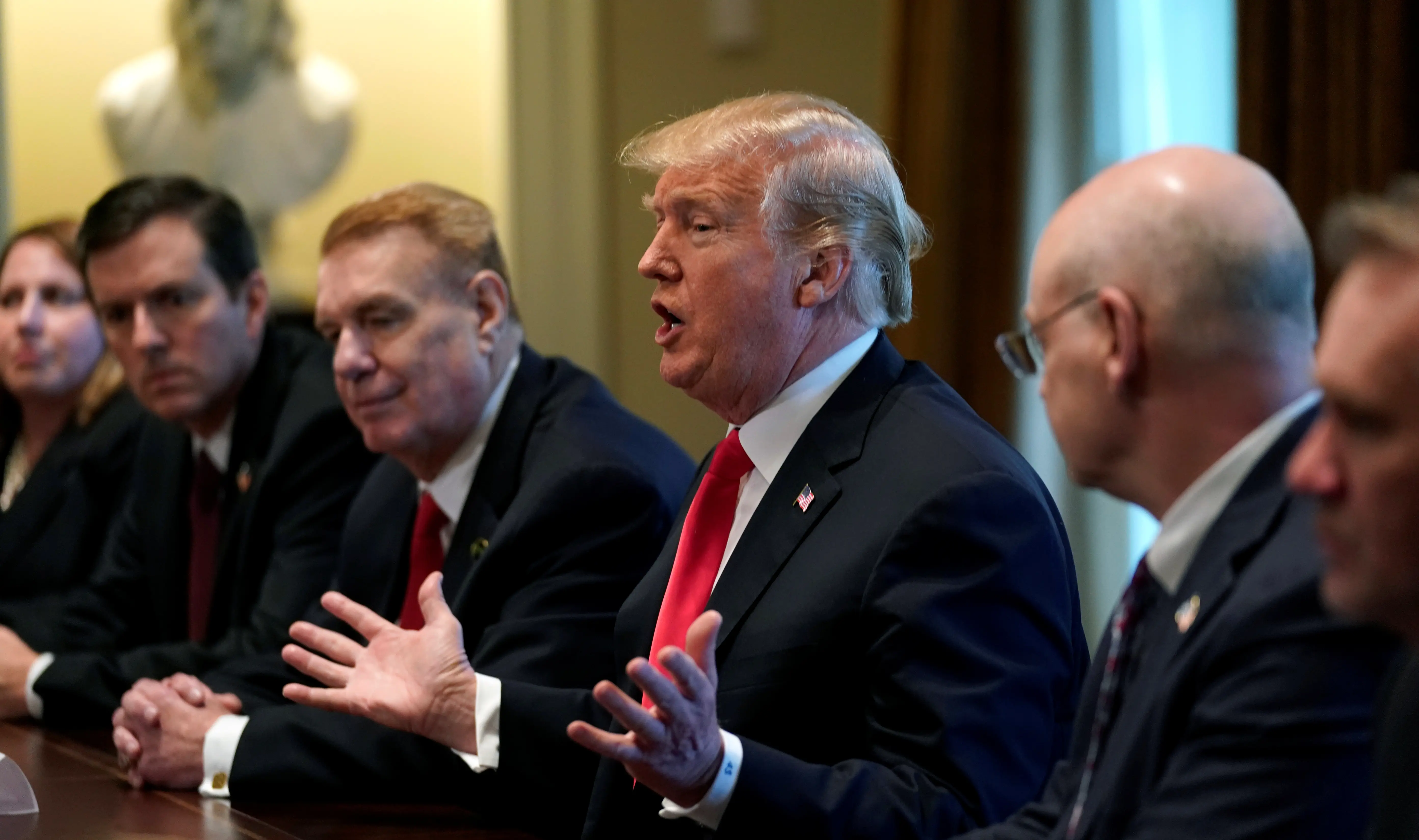
Photo: Brookings Institution
Regulatory Outlook
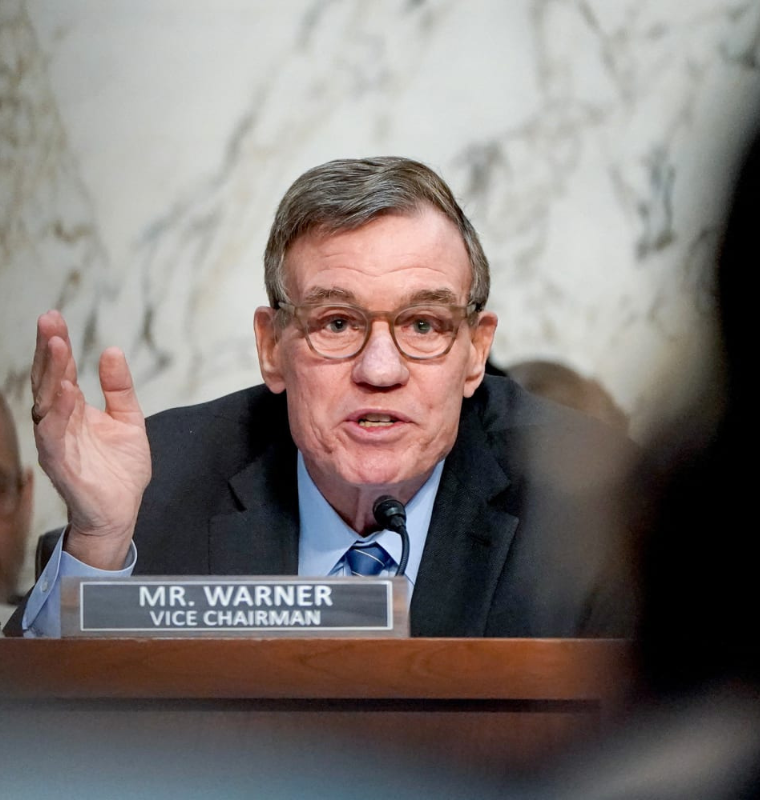
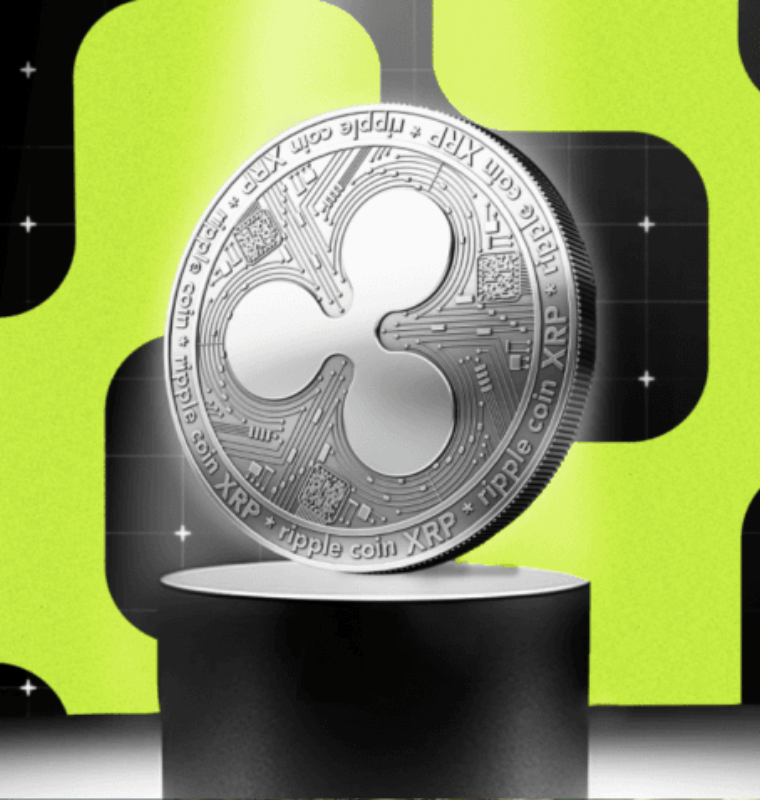
Senior regulators from the Trump administration have indicated that they are preparing to release new rules aimed at providing clarity for the cryptocurrency industry. These guidelines are expected to define responsibilities for market participants, set standards for compliance, and foster innovation while protecting investors. The announcement has generated interest across exchanges, institutional investors, and blockchain projects.
Focus on Market Stability
The proposed regulations emphasize stability and risk mitigation within the cryptocurrency market. Regulators are prioritizing transparency, anti-fraud measures, and robust reporting requirements to reduce systemic risks. The approach aims to balance oversight with the need to allow digital assets to develop within a secure and predictable legal framework.
Impact on Exchanges and Trading Platforms
Cryptocurrency exchanges are likely to face new operational standards designed to ensure compliance and protect users. Licensing procedures, customer verification protocols, and capital requirements may be clarified. While these measures could increase compliance costs for smaller platforms, they also provide a more predictable environment for long-term business planning.
Guidance for Blockchain Projects
The rules are expected to offer guidance for token issuers, decentralized finance platforms, and other blockchain-based ventures. Clear criteria for classifying digital assets, disclosure obligations, and operational compliance could help projects navigate legal uncertainty. This clarity may encourage innovation and institutional participation in the sector.
Investor Confidence and Participation
For both retail and institutional investors, regulatory guidance is critical. Clear rules reduce ambiguity around investment risk, provide legal protections, and foster confidence in the market. As a result, the introduction of formal guidelines could attract larger capital inflows into digital assets.
Global Implications
The U.S. regulatory stance often influences international standards. Clear rules in a major market like the United States can serve as a model for other countries, promoting more consistent global practices. Conversely, overly restrictive regulations could push crypto businesses toward jurisdictions with more favorable policies.
Timing and Process
Officials have indicated that the guidelines will be rolled out in stages, with consultation periods to incorporate feedback from industry stakeholders. While the exact timeline remains uncertain, markets are closely monitoring announcements for signals about regulatory priorities and implementation schedules.
Challenges and Industry Concerns
Despite the positive intent, industry participants remain cautious. Overly rigid rules could stifle innovation or limit the flexibility of decentralized systems. Finding the right balance between regulation and growth is a central challenge for policymakers seeking to support a rapidly evolving market.
Market Reaction
Initial market response has been muted as traders await detailed guidance. However, anticipation of increased regulatory clarity has generally been viewed as a positive signal, reducing uncertainty and potentially encouraging investment. The real impact will depend on the specifics of the rules and how they are enforced.
Long-Term Outlook
Once implemented, these regulations have the potential to strengthen the U.S. cryptocurrency industry by creating a predictable operating environment. Clear standards for compliance, investor protection, and asset classification may support sustainable growth and broader adoption while helping the market avoid the instability associated with unclear or inconsistent oversight.
Popular articles



Subscribe to unlock premium content
Disney’s Timeless Magic and How the Entertainment Giant Continues to Shape Culture and Innovation

Imran Khan’s Economic Missteps Amid Political Chaos in Pakistan

The Philippines’ Digital Shift How Remittances and BPO Are Fueling Growth

Disney’s Timeless Magic and How the Entertainment Giant Continues to Shape Culture and Innovation
Imran Khan’s Economic Missteps Amid Political Chaos in Pakistan
Disney’s Timeless Magic and How the Entertainment Giant Continues to Shape Culture and Innovation