
United Kingdom Grants Full Legal Property Status to Digital Assets

United Kingdom Grants Full Legal Property Status to Digital Assets
By
Alina Sinclair
Last updated:
December 3, 2025
First Published:
April 25, 2026

A New Era for Digital Asset Recognition
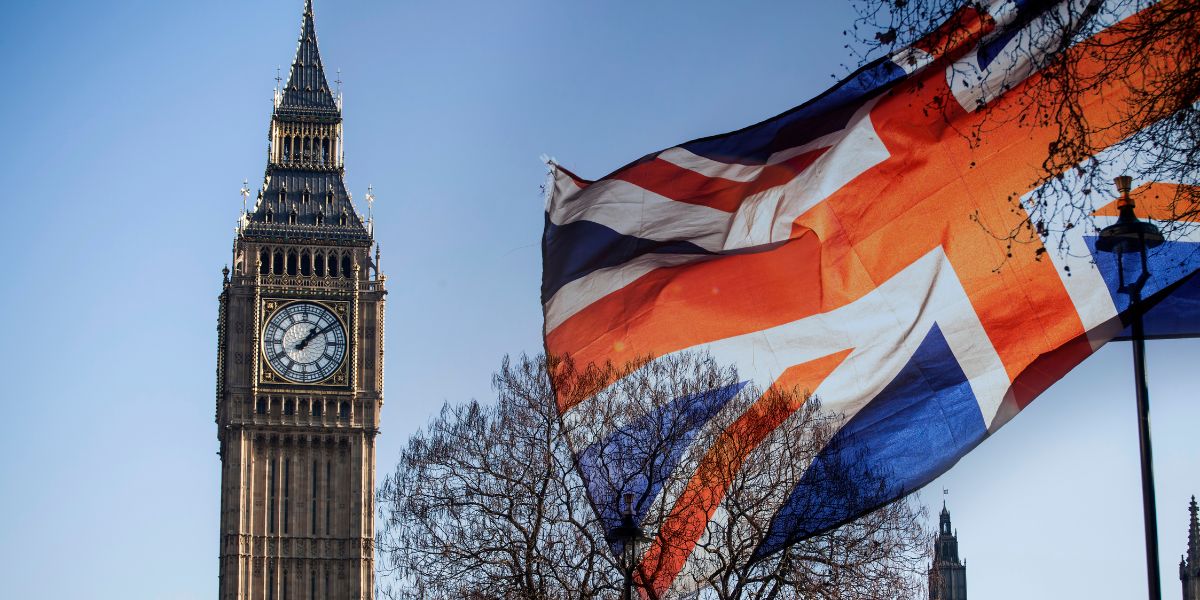
The United Kingdom has taken a transformative step by formally recognizing cryptocurrencies and stablecoins as legally protected property. This decision marks one of the most significant regulatory milestones in Europe and signals that the country intends to become a global center for digital finance. For the crypto community this development represents far more than a legal update. It brings clarity legitimacy and a stronger sense of security to an industry that has often operated in uncertain territory.
Strengthening Investor Protection Through Clear Definitions
One of the most powerful elements of this legislation is the introduction of a clear definition of what constitutes a digital asset. While many nations continue to treat crypto as an abstract financial instrument the United Kingdom has chosen to categorize it as property that can be owned transferred inherited and protected under the law. This simple yet impactful classification ensures that investors have access to legal recourse if their assets are stolen lost or mishandled.
A Boost for Institutional Confidence
Institutions have long been hesitant to fully commit to digital assets due to the uncertainty surrounding their legal standing. With this new legislation the United Kingdom has provided assurance that digital assets will be protected similarly to traditional financial assets. This opens the door for greater participation from banks wealth managers corporate treasuries and pension groups. It also signals a new wave of digital asset services that are likely to flourish as institutional confidence grows.
A Supportive Environment for Startups and Innovators
The United Kingdom has already established a reputation for welcoming fintech innovation. By legally recognizing digital assets as property the government is further encouraging entrepreneurs developers and blockchain researchers to build within its borders. Startups that once feared regulatory ambiguity now have a clear framework to operate responsibly and securely. This shift will likely spark new products and technologies that may shape the digital economy for years to come.
Implications for Stablecoins and Payment Innovation
Stablecoins play a central role in the digital economy and the decision to classify them as protected property has wide ranging consequences. Merchants financial institutions and payment providers can now integrate stablecoins with confidence knowing they are backed by a recognized legal standard. This could accelerate the adoption of blockchain powered payments offering consumers faster and more efficient alternatives to traditional methods.
Digital Assets in Legal Disputes and Inheritance Cases
One of the most important practical benefits of this move is its impact on legal disputes and inheritance planning. Courts now have a clear directive on how to treat digital tokens meaning individuals can pass their crypto assets to heirs with greater certainty. This is a major milestone because it removes ambiguity and ensures that digital wealth can be managed like any other form of property.
A Step Toward International Regulatory Alignment
While global consensus on crypto regulation remains fragmented the United Kingdom’s approach may influence other nations to adopt similar frameworks. As digital assets continue to move across borders a consistent understanding of what they represent becomes increasingly important. The United Kingdom’s decision could therefore spark broader international discussions and lay the groundwork for more unified global standards.
Challenges and Responsibilities Moving Forward
Although the recognition of digital assets as property is a major victory it also introduces new responsibilities for individuals and businesses. Owners must ensure proper custody practices while companies offering crypto services will need to meet higher legal and security standards. The government will also need to stay vigilant as technology evolves to ensure that regulation remains relevant without stifling innovation.
A Sign of Maturity for the Entire Crypto Sector
This moment reflects the maturing nature of the digital asset world. What began as an experimental technology has evolved into a complex global market that requires structured governance. The United Kingdom’s legislation acknowledges the economic significance of digital assets and sends a message that crypto is no longer a fringe concept but an integral part of the future financial landscape.
What This Means for the Global Economy
The United Kingdom’s decision represents a larger shift in how nations view digital property. By setting a strong legal precedent the country has positioned itself as a leader in the next chapter of financial innovation. As more countries consider similar protections the global economy could enter an era where digital assets stand confidently alongside traditional forms of wealth reshaping commerce investment and consumer behavior.

Popular articles



Subscribe to unlock premium content
Ripple and Bitso Expand Partnership as RLUSD Stablecoin Ecosystem Gains Momentum
Bybit Introduces Tokenized SpaceX IPO Shares in Landmark Real World Asset Initiative

Crypto Tax Debate Intensifies in Washington Over Mining and Staking Rewards
Ripple and Bitso Expand Partnership as RLUSD Stablecoin Ecosystem Gains Momentum
Bybit Introduces Tokenized SpaceX IPO Shares in Landmark Real World Asset Initiative
Ripple and Bitso Expand Partnership as RLUSD Stablecoin Ecosystem Gains Momentum