
The Bank of England Sets the Stage for a New Sterling Stablecoin Era

The Bank of England Sets the Stage for a New Sterling Stablecoin Era
By
David Goldfarb
Last updated:
November 16, 2025
First Published:
December 2, 2025

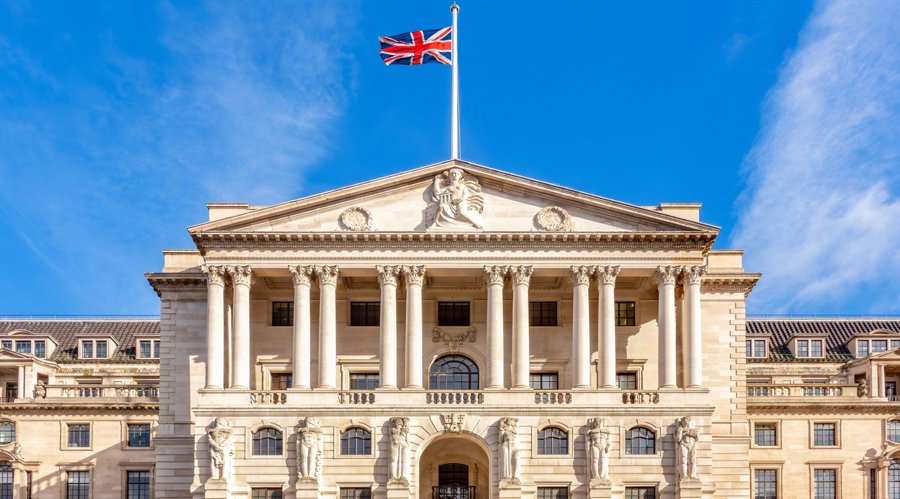
Photo: Finance Magnates
A bold move toward a controlled digital currency environment
The United Kingdom has taken another decisive step toward regulating digital assets and this time the focus is on sterling backed stablecoins. The Bank of England has proposed a framework that would place a twenty thousand pound limit on the amount of sterling stablecoins an individual can hold. This proposal marks one of the most detailed attempts yet to manage the intersection between traditional finance and the rapidly evolving world of crypto based payments.
A cap designed to protect the financial system
The idea of imposing a holding limit is rooted in the Bank of England’s desire to prevent instability in the broader financial landscape. Large scale movements of funds into or out of stablecoins could disrupt liquidity flows in the banking sector. By putting a ceiling on how much one person can store the central bank hopes to reduce systemic risks while still allowing innovation to flourish within a carefully monitored environment.
A focus on smooth convertibility between stablecoins and traditional money
Behind the proposed cap lies an important principle. Stablecoins must behave reliably when being converted to and from regular fiat currency. The Bank of England wants issuers to demonstrate that they can support high volume redemptions without delays or uncertainty. The holding limit is part of a wider strategy to ensure that stablecoins do not become shadows of traditional bank deposits and do not pose unexpected pressures on the existing monetary system.
A closer look at reserve expectations
The proposal highlights the need for transparent and high quality reserves that support each digital coin. Issuers will be expected to maintain asset holdings that can withstand fluctuations in market conditions and remain easily accessible in times of stress. This ensures that redemption requests can be honoured swiftly and that the underlying stability of the asset remains unquestioned even during volatile periods.
A framework that encourages responsible issuer behaviour
The Bank of England is also taking aim at governance practices. Issuers must show that they have robust internal controls risk management systems and leadership structures that uphold reliable operations. This emphasis on accountability is intended to prevent irresponsible behaviour that could harm consumers or undermine trust in sterling based digital tokens.
A pathway for stablecoins to enter mainstream use
Although the cap may seem restrictive it is also a sign that the UK government expects stablecoins to become a regular part of everyday financial transactions. By introducing clear boundaries the Bank is signalling that stablecoins can operate alongside traditional payment systems as long as they remain transparent safe and consumer friendly. The framework is meant to invite public use without overwhelming the existing banking infrastructure.
A new dynamic for crypto companies operating in the UK
Crypto firms that specialise in stablecoin issuance will likely need to adjust their strategies if they want to operate within the country. The proposed rules create new expectations for reporting redemption handling and reserve structuring. While the changes may raise operational costs they also offer a clearer path to legitimacy within a heavily regulated financial market.
A strengthening of consumer protections in the digital age
Consumers stand to benefit significantly from the proposed guidelines. The twenty thousand pound cap functions as a safeguard ensuring that no individual carries excessive exposure to the risks of a digital issued currency. At the same time the focus on clear redemption rights and transparent backing enhances the level of security available to the general public. The Bank aims to create a stablecoin ecosystem where trust is earned through stringent oversight.
A sign of the UKs long term crypto ambitions
This proposal reinforces the idea that the United Kingdom is not shying away from digital innovation. Instead the country is crafting a long term blueprint that integrates digital assets into its financial system with caution and clarity. The stablecoin holding limit should be viewed as part of a broader strategy to position the UK as a global leader in regulated digital finance.
A future built on balance and thoughtful regulation
If adopted the Bank of England’s guidelines could become a template for other nations exploring how to manage the rise of stablecoins. By balancing innovation with consumer safety and financial stability the UK is laying the groundwork for a mature and accountable digital currency ecosystem. The twenty thousand pound cap is not merely a restriction. It is a signal that the future of sterling denominated digital money will be built on transparency discipline and long term public trust.

Popular articles



Subscribe to unlock premium content
Disney’s Timeless Magic and How the Entertainment Giant Continues to Shape Culture and Innovation

Imran Khan’s Economic Missteps Amid Political Chaos in Pakistan

The Philippines’ Digital Shift How Remittances and BPO Are Fueling Growth

Disney’s Timeless Magic and How the Entertainment Giant Continues to Shape Culture and Innovation
Imran Khan’s Economic Missteps Amid Political Chaos in Pakistan
Disney’s Timeless Magic and How the Entertainment Giant Continues to Shape Culture and Innovation