

Solana’s On Chain Activity Hits a 12 Month Low
By
Rachel Steinberg
Last updated:
November 16, 2025
First Published:
December 2, 2025

Getty Images
A surprising downturn in network usage
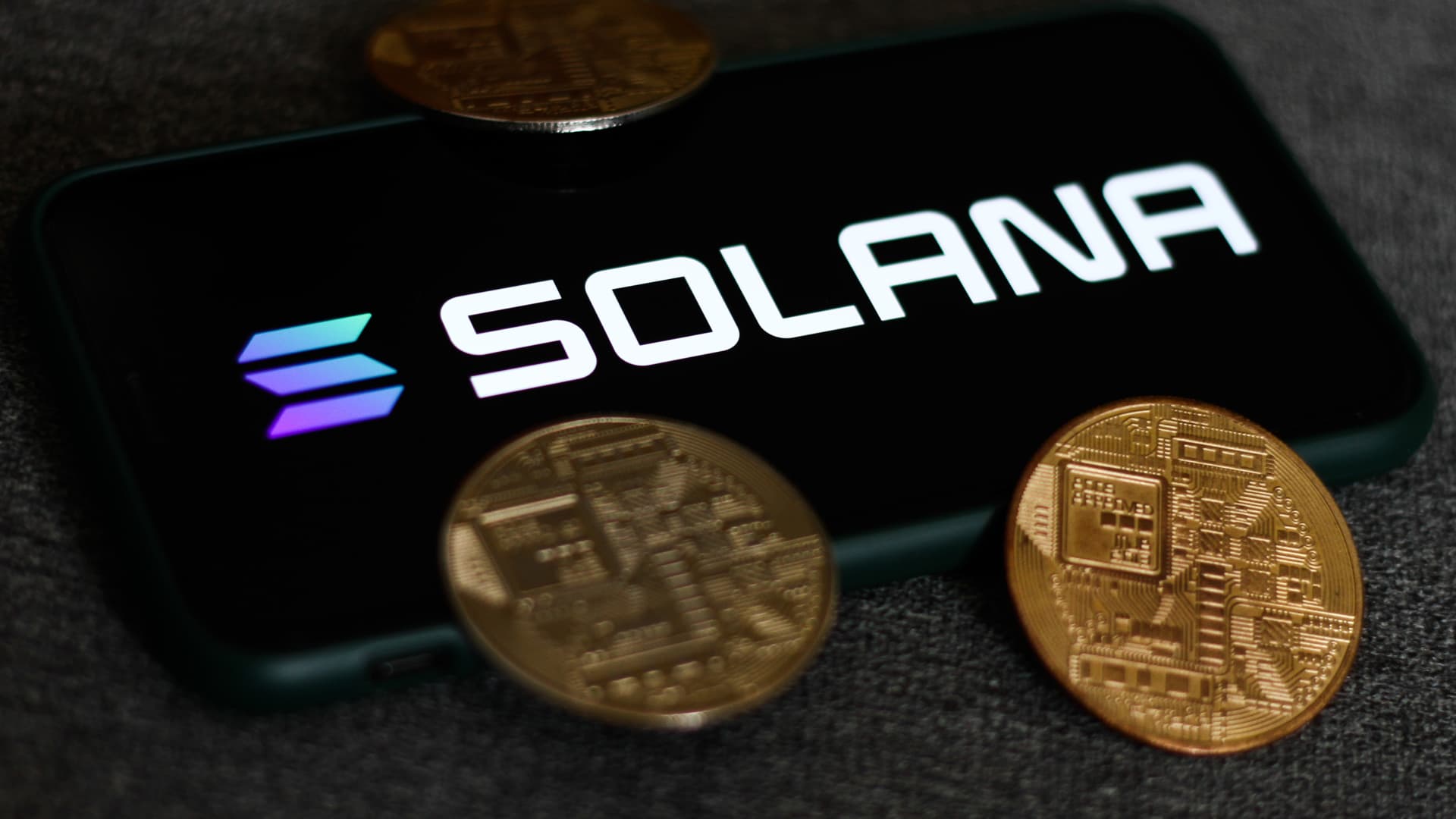
Solana, once celebrated for its high throughput and fast transaction speeds, has seen its on chain activity drop to a twelve month low. The decrease has been most noticeable in transactions involving smaller tokens and memecoins, which had previously driven much of the network’s daily activity. This shift raises questions about the sustainability of growth that relies heavily on speculative trading rather than utility driven adoption.
Memecoins and hype cycles under scrutiny
Much of Solana’s prior momentum was fueled by meme oriented tokens that generated short term excitement and frequent trading. As attention shifts elsewhere and market sentiment cools, these coins have seen significant reductions in trading volume. The decline illustrates the volatility inherent in hype driven ecosystems and underscores the need for networks to develop broader applications beyond entertainment oriented speculation.
Impact on transaction fees and network economics
Lower activity has direct effects on Solana’s fee structure and network economics. Reduced transaction volume can lead to lower fees collected by validators, potentially affecting incentives for network maintenance and long term stability. This situation highlights the interconnectedness between user engagement, tokenomics, and infrastructure sustainability.
A closer look at validator behavior
Validators, responsible for processing transactions and securing the network, may respond to diminished activity in various ways. Some may adjust staking strategies while others may reconsider operational costs relative to rewards. Observing validator behavior during periods of low activity provides insights into the network’s resilience and the broader implications for security.
Developer interest and project initiation
Developers often gravitate toward networks with vibrant activity and active communities. A slowdown in on chain usage can affect the pace of new project launches, collaboration, and innovation within the Solana ecosystem. Encouraging sustained developer engagement may require new incentives, partnerships, or enhancements that make the network attractive beyond memecoin speculation.
Market sentiment and investor confidence
The decline in activity also impacts investor perception. Lower engagement may signal waning enthusiasm and could affect token valuations in the short term. Investors increasingly evaluate networks not only for speculative potential but also for ecosystem health, utility adoption, and long term viability. A decrease in usage may prompt reevaluation of investment strategies.
Comparisons with other high throughput networks
Solana’s challenges provide a useful lens to compare it with other proof of stake or high throughput networks. Observing how alternative platforms manage transaction surges, diversify use cases, and maintain engagement can offer insights into strategies for revitalization. Competitive analysis becomes key for understanding market positioning and future prospects.
Community response and adaptation
Solana’s community has historically been active in proposing solutions, funding initiatives, and promoting adoption. In response to the slowdown, community led efforts to stimulate use cases, launch new applications, and incentivize user engagement are likely to increase. The resilience of the network depends on how effectively these initiatives mobilize participation.
Lessons for network design and sustainability
The current decline underscores the importance of balancing hype with utility. Networks that rely predominantly on speculative interest may face volatility, while those that cultivate meaningful applications, developer support, and real world use cases can sustain engagement over longer periods. Solana’s experience serves as a case study in designing resilient blockchain ecosystems.
Looking ahead to recovery and innovation
Although activity has fallen, Solana still maintains technological advantages and a strong community. Recovery may depend on fostering innovative projects, diversifying token use, and attracting long term investors focused on utility rather than short term gains. The path forward will require strategic planning, creative incentives, and sustained engagement to regain momentum.

Popular articles



Subscribe to unlock premium content
Imran Khan’s Economic Missteps Amid Political Chaos in Pakistan

The Philippines’ Digital Shift How Remittances and BPO Are Fueling Growth

Is the Era of Globalization Over or Just Evolving?
Imran Khan’s Economic Missteps Amid Political Chaos in Pakistan
The Philippines’ Digital Shift How Remittances and BPO Are Fueling Growth
Imran Khan’s Economic Missteps Amid Political Chaos in Pakistan