Ethereum Solves Its Long Standing Gas Fee Challenge
By
Augusta Parker
Last updated:
January 18, 2026
First Published:
April 25, 2026

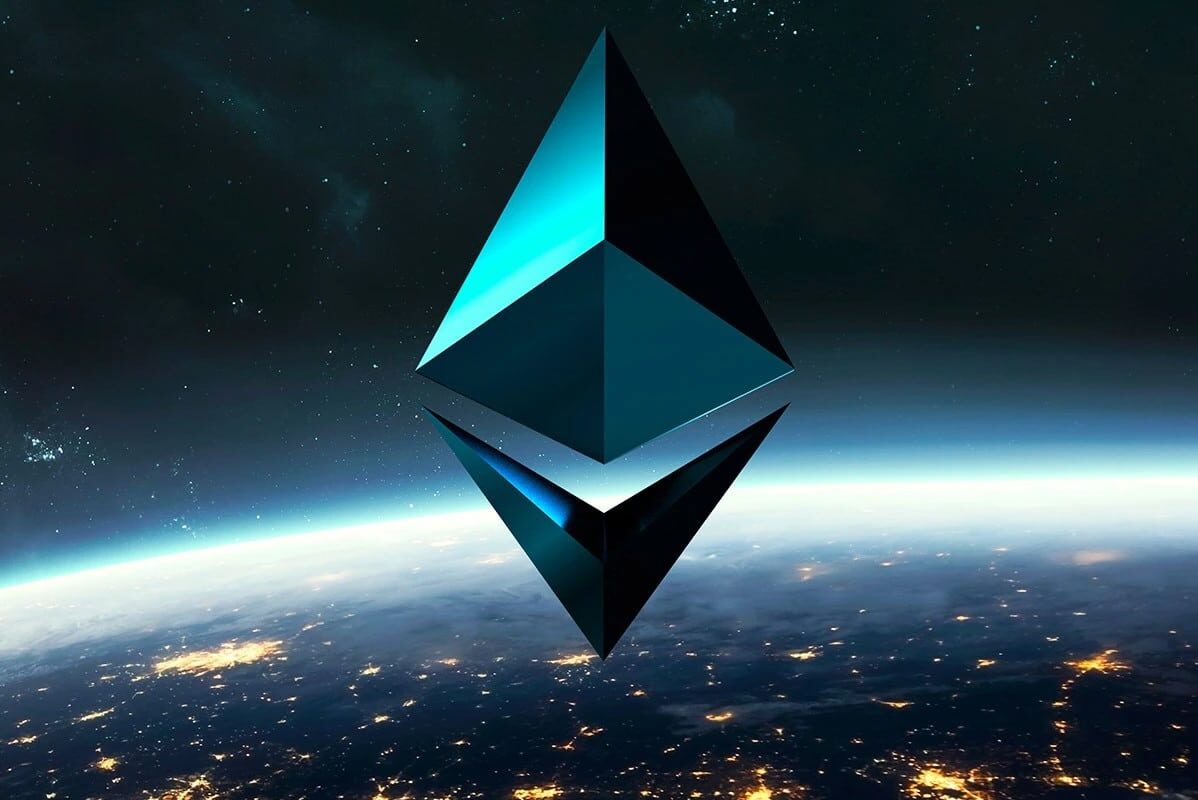
Photo: CoinGape
A Breakthrough That Arrived Without Hype
Ethereum has achieved something the community has debated for years by significantly reducing its once notorious gas fees. Unlike past upgrades that arrived with intense anticipation, this improvement unfolded gradually. The result is a network that feels fundamentally different to users, developers, and businesses that rely on consistent and affordable transaction costs.
Why Gas Fees Were a Persistent Problem
For a long time, high gas fees were Ethereum’s biggest weakness. During periods of heavy usage, simple transactions became expensive and complex smart contract interactions were out of reach for many users. This limited participation and pushed developers to explore alternative blockchains that promised lower costs and faster execution.
Layer Two Solutions Take Center Stage
One of the most important contributors to lower gas fees has been the rise of layer two networks. These solutions process transactions off the main Ethereum chain while still benefiting from its security. As adoption increased, congestion on the base layer eased, creating a noticeable reduction in average transaction costs across the ecosystem.
Protocol Efficiency Improves Behind the Scenes
Ethereum’s core development teams have focused heavily on optimizing how data is processed and stored. Improvements in block structure, data availability, and execution efficiency have allowed the network to handle more activity without proportional increases in fees. These changes may not be visible to users, but their impact is felt every time a transaction is confirmed at a lower cost.
Developer Experience Enters a New Phase
Lower gas fees have transformed the developer experience on Ethereum. Builders can now design more complex applications without worrying that users will abandon them due to high transaction costs. This has encouraged experimentation in areas like decentralized finance, gaming, and digital identity where frequent on chain interactions are essential.
Users Return to the Ethereum Mainnet
As fees declined, many users who had migrated to alternative networks began returning to Ethereum. Wallet activity shows renewed engagement as transactions become more affordable and predictable. This return strengthens Ethereum’s position as the primary settlement layer for a wide range of decentralized applications.
Decentralized Finance Benefits Immediately
Decentralized finance protocols are among the biggest winners of this shift. Lower gas costs improve capital efficiency and make strategies accessible to smaller participants. Lending, trading, and liquidity provision now feel less exclusive, reinforcing Ethereum’s role as the backbone of the decentralized financial system.
NFT and Gaming Activity Regains Momentum
High fees previously discouraged experimentation in NFTs and blockchain based gaming. With costs under control, creators and studios can once again focus on user experience rather than transaction optimization. This has opened the door to more interactive and engaging applications that rely on frequent on chain actions.
Competition Pushes Ethereum Forward
Pressure from competing blockchains played a crucial role in driving these improvements. Networks offering low fees forced Ethereum to evolve rather than rely solely on its first mover advantage. The result is a more competitive and resilient ecosystem that blends security, decentralization, and efficiency.
Long Term Implications for the Network
Sustained low gas fees change how Ethereum is perceived by institutions and enterprises. Predictable costs make it easier to plan large scale deployments and integrate blockchain infrastructure into existing systems. This positions Ethereum as a practical platform rather than just an experimental one.
A New Chapter for Ethereum Adoption
Ethereum’s success in addressing its gas fee problem represents a defining moment in its evolution. By combining protocol upgrades with widespread layer two adoption, the network has quietly removed one of its biggest barriers to growth. This shift sets the stage for broader adoption and more ambitious use cases in the years ahead.

Popular articles



Subscribe to unlock premium content
Ripple and Bitso Expand Partnership as RLUSD Stablecoin Ecosystem Gains Momentum
Bybit Introduces Tokenized SpaceX IPO Shares in Landmark Real World Asset Initiative
Crypto Tax Debate Intensifies in Washington Over Mining and Staking Rewards

Ripple and Bitso Expand Partnership as RLUSD Stablecoin Ecosystem Gains Momentum
Bybit Introduces Tokenized SpaceX IPO Shares in Landmark Real World Asset Initiative
Ripple and Bitso Expand Partnership as RLUSD Stablecoin Ecosystem Gains Momentum