
Crypto Theft Soars as $17 Billion in Bitcoin is Reported Stolen in 2025

Crypto Theft Soars as $17 Billion in Bitcoin is Reported Stolen in 2025
By
Rachel Steinberg
Last updated:
January 19, 2026
First Published:
April 25, 2026


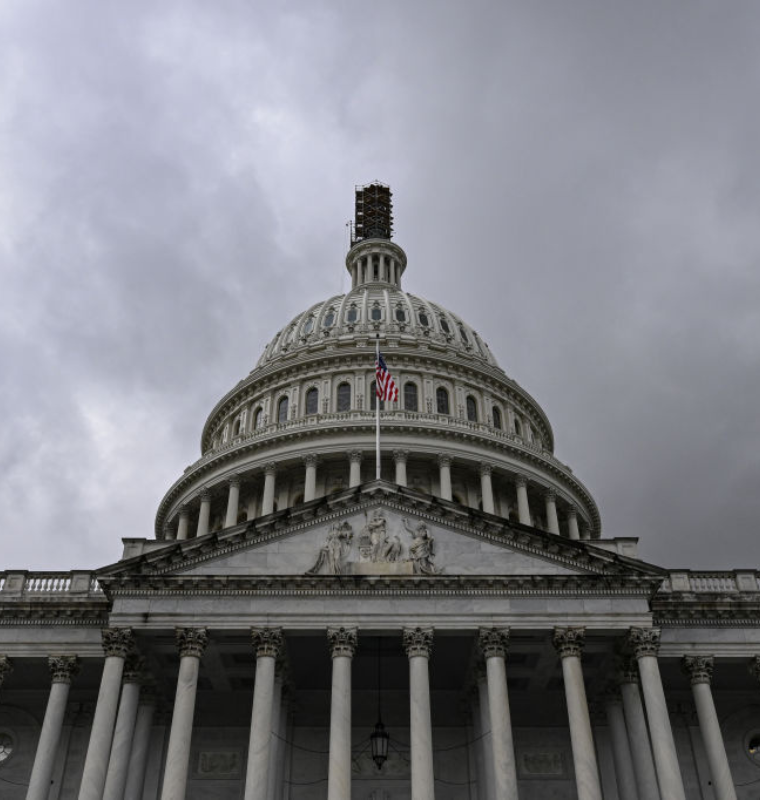
Photo: The Record
A Record Year for Crypto Theft
The cryptocurrency industry faced a startling revelation as estimates suggest that over seventeen billion dollars worth of Bitcoin was stolen in 2025 alone. This unprecedented figure highlights both the growing attractiveness of digital assets to malicious actors and the evolving sophistication of cybercrime targeting the crypto ecosystem.
Impersonation Tactics Drive Large Losses
A major contributor to these losses has been impersonation scams. Fraudsters increasingly pose as legitimate exchange representatives, project founders, or wallet service providers to trick investors into transferring funds. The rise in phishing campaigns and social engineering attacks has underscored the need for vigilance among both retail and institutional participants.
AI as a Tool for Fraudsters
Artificial intelligence has become a double edged sword in the crypto world. While AI powers legitimate applications such as trading bots and risk analysis, it has also enabled scammers to create more convincing fraudulent messages and automate attacks. Deepfake technology and AI generated emails have made it harder for users to distinguish between authentic communications and malicious attempts.
Impact on Retail Investors
Retail participants are disproportionately affected by these thefts. Many individuals are drawn to cryptocurrencies for their accessibility and potential returns, but lack the sophisticated security knowledge to protect their holdings. Educational initiatives and stronger security protocols are essential to help investors safeguard their assets.
Institutional Concerns and Market Implications
Even institutional investors are not immune to these threats. Cybersecurity lapses and insider risks can lead to significant financial exposure. The high value of stolen Bitcoin in 2025 has raised concerns about market trust, potentially influencing investment decisions and regulatory scrutiny.
Exchanges Respond With Enhanced Security Measures
Major exchanges have increased investment in security infrastructure to combat fraud. Multi signature wallets, enhanced verification processes, and AI based monitoring systems are being deployed to prevent theft. These measures aim to restore confidence and reduce the risk of large scale breaches in the future.
Regulatory and Legal Challenges
Law enforcement agencies face difficulties tracing stolen cryptocurrencies due to the pseudonymous nature of blockchain transactions. Regulatory frameworks are evolving to provide better oversight, but global coordination remains a challenge. Cross border investigations and legal hurdles often slow the recovery process, leaving victims without recourse for long periods.
Lessons for the Crypto Community
The record thefts in 2025 serve as a stark reminder of the importance of operational security and risk management. Investors are increasingly encouraged to use hardware wallets, enable strong authentication, and remain skeptical of unsolicited communications. Awareness campaigns are crucial to building a safer digital asset environment.
Future Outlook for Security in Crypto
The rise in theft has accelerated the adoption of advanced security measures across the industry. As cyber threats continue to evolve, ongoing innovation in security technology, investor education, and regulatory enforcement will be essential to protect the market from similar large scale losses.
Balancing Innovation and Security
The 2025 Bitcoin thefts illustrate the challenges of a rapidly expanding market. While cryptocurrencies continue to offer financial opportunities, they also demand heightened vigilance and sophisticated security practices. Ensuring the integrity of digital assets is critical to sustaining long term growth and maintaining investor confidence in the crypto ecosystem.

Popular articles



Subscribe to unlock premium content
Ripple and Bitso Expand Partnership as RLUSD Stablecoin Ecosystem Gains Momentum

Bybit Introduces Tokenized SpaceX IPO Shares in Landmark Real World Asset Initiative

Crypto Tax Debate Intensifies in Washington Over Mining and Staking Rewards
Ripple and Bitso Expand Partnership as RLUSD Stablecoin Ecosystem Gains Momentum
Bybit Introduces Tokenized SpaceX IPO Shares in Landmark Real World Asset Initiative
Ripple and Bitso Expand Partnership as RLUSD Stablecoin Ecosystem Gains Momentum