Coinbase Dispute Highlights Political Tensions in the Crypto Industry

Coinbase Dispute Highlights Political Tensions in the Crypto Industry
By
Leah Rosenfeld
Last updated:
January 19, 2026
First Published:
April 25, 2026


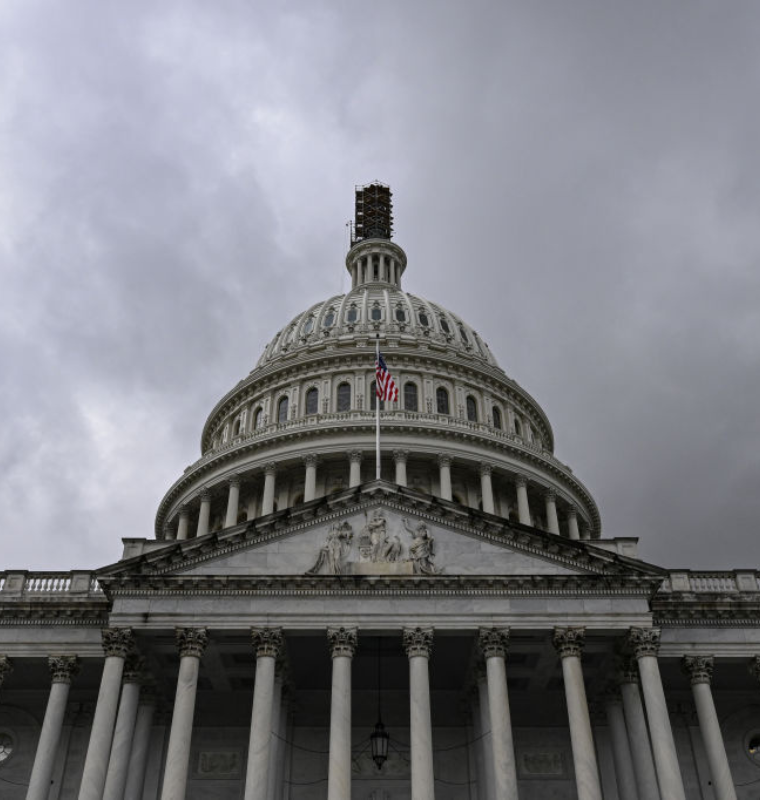
Photo: The New York Times
A Clash Between Industry and Policy
The ongoing dispute involving Coinbase has brought into sharp focus the political complexities surrounding cryptocurrency regulation in the United States. As one of the largest and most influential exchanges in the world, Coinbase’s opposition to certain provisions in draft legislation reflects deeper concerns about how policy decisions could impact the broader crypto ecosystem.
The Senate Clarity Act and Its Implications
The proposed legislation, often referred to as the Senate Clarity Act, seeks to define the regulatory framework for digital assets in the U.S. Coinbase has raised objections, citing potential limitations on innovation, compliance burdens, and market distortions. The disagreement illustrates the tension between legislators seeking oversight and exchanges advocating for operational flexibility.
Exchange Concerns About Compliance and Oversight
Coinbase’s central argument revolves around clarity in regulatory expectations. Ambiguous definitions of securities, trading obligations, and reporting requirements could create operational uncertainty for exchanges. By challenging aspects of the bill, Coinbase aims to ensure that new rules are enforceable and practical, protecting both the platform and its users.
Impact on Industry Relations
This dispute has broader implications for relationships within the crypto sector. Other exchanges and industry players are closely watching the outcome, as the ruling could set precedents for how regulators interact with the market. The debate is not merely legal but also political, highlighting how lobbying and negotiation will shape the rules that govern digital assets.
Investor Confidence and Market Dynamics
Regulatory uncertainty can affect investor sentiment. While Coinbase remains a trusted platform, disagreements with policymakers may cause temporary caution among institutional and retail participants. Market participants are assessing potential outcomes carefully, weighing the impact of regulatory changes on liquidity, trading volumes, and long-term adoption.
Political Dimensions of Crypto Regulation
The Coinbase dispute underscores the inherently political nature of crypto regulation. Lawmakers must balance innovation, investor protection, and systemic risk. Exchanges, in turn, advocate for frameworks that support growth without imposing undue constraints. This tension is likely to continue as digital assets gain prominence in mainstream finance.
The Role of Lobbying and Advocacy
Coinbase’s public stance is part of a broader strategy of industry advocacy. Exchanges, blockchain associations, and other stakeholders are engaging with lawmakers to shape legislation. This process reflects the increasing influence of the crypto sector on political decision-making, especially in areas related to finance and technology policy.
Broader Implications for Innovation
The outcome of this dispute may influence the pace of technological innovation. Clear and reasonable regulation can encourage development of new products, smart contracts, and decentralized finance platforms. Conversely, overly restrictive rules could slow progress, prompting some projects to relocate or adjust strategies to avoid compliance risks.
Public Perception and Trust
Disputes like this also affect public perception. Transparency, communication, and cooperation between exchanges and regulators are critical to maintaining trust among users. Coinbase’s actions highlight the importance of dialogue and proactive engagement in shaping a market that is both innovative and secure.
A Defining Moment for U.S. Crypto Policy
The Coinbase dispute is more than a legal disagreement; it represents a pivotal moment for the cryptocurrency industry in the United States. How the government and exchanges resolve their differences will influence market dynamics, innovation trajectories, and investor confidence for years to come. The broader lesson is clear: navigating regulatory landscapes is now a core component of operating within the modern crypto ecosystem.

Popular articles



Subscribe to unlock premium content
Ripple and Bitso Expand Partnership as RLUSD Stablecoin Ecosystem Gains Momentum

Bybit Introduces Tokenized SpaceX IPO Shares in Landmark Real World Asset Initiative

Crypto Tax Debate Intensifies in Washington Over Mining and Staking Rewards
Ripple and Bitso Expand Partnership as RLUSD Stablecoin Ecosystem Gains Momentum
Bybit Introduces Tokenized SpaceX IPO Shares in Landmark Real World Asset Initiative
Ripple and Bitso Expand Partnership as RLUSD Stablecoin Ecosystem Gains Momentum