Bybit Researchers Reveal Sixteen Blockchains Capable of Freezing Funds

Bybit Researchers Reveal Sixteen Blockchains Capable of Freezing Funds
By
Rachel Steinberg
Last updated:
November 16, 2025
First Published:
December 2, 2025

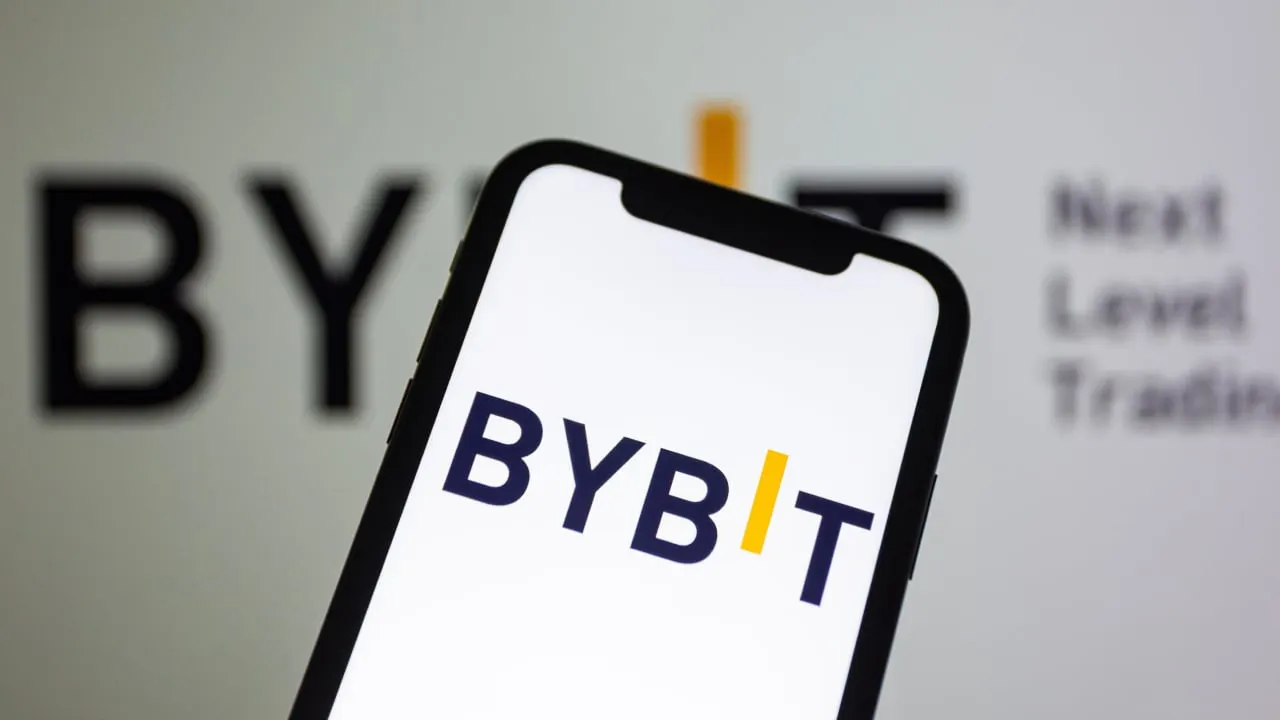
Photo: Decrypt
A wake up call for decentralization enthusiasts
Security researchers at Bybit have identified sixteen blockchain networks that have the technical ability to freeze funds under certain conditions. This discovery challenges common perceptions of blockchain as entirely immutable and censorship resistant. While most networks pride themselves on decentralization, these findings highlight the nuanced reality that control mechanisms can exist within network governance or protocol design.
Understanding how fund freezing works
Fund freezing generally involves the ability of a network to restrict the movement of tokens under specific circumstances. This can be triggered by governance decisions, emergency protocol interventions, or vulnerabilities in smart contract design. The discovery does not necessarily indicate malicious intent but emphasizes the need for investors and users to understand the underlying rules of the blockchain they engage with.
Implications for retail and institutional users
For everyday investors, awareness of potential fund freezing is crucial. Those who assume complete autonomy over their assets might face unexpected restrictions. For institutional investors managing large sums, the presence of freezing mechanisms can influence custody strategies, risk assessments and compliance frameworks. Clear understanding of these mechanics can determine how assets are allocated and managed across various networks.
A challenge to conventional blockchain narratives
The notion of immutability has long been a foundational principle in the cryptocurrency space. The ability to freeze funds complicates this narrative, suggesting that governance models and network protocols can introduce degrees of centralization. This does not render blockchains unsafe but highlights that users should not equate decentralized infrastructure with absolute freedom from intervention.
Opportunities for improved security and compliance
Networks that include fund freezing functionality can provide an added layer of protection against theft, fraud or regulatory breaches. This may appeal to entities requiring enhanced compliance and investor protections. By allowing temporary interventions, these blockchains can help mitigate large scale security incidents while still retaining most benefits of decentralization.
Balancing decentralization and control
The discovery raises important questions about trade offs between decentralization and operational control. Purely decentralized systems offer autonomy but can be vulnerable to unmitigated exploits. Networks with selective freezing mechanisms can manage risk more effectively but introduce an element of centralized oversight. Users must evaluate which balance aligns with their priorities for security, privacy and control.
A signal for developers to enhance transparency
Developers of blockchain networks may now face increased pressure to disclose the extent and conditions of fund freezing capabilities. Clear communication ensures users can make informed decisions and fosters trust within the ecosystem. Transparency in protocol design becomes a competitive advantage as investors seek clarity and reliability in the networks they support.
Potential regulatory ramifications
Regulators monitoring digital assets may view the existence of freezing capabilities favorably as it aligns with principles of accountability and oversight. Conversely, networks lacking such mechanisms could face heightened scrutiny. The revelation could influence future guidelines on custody, consumer protection and operational responsibility in the crypto space.
Educational value for the wider crypto community
The findings from Bybit serve as a learning opportunity for users, investors and developers alike. Understanding the technical limits and capabilities of blockchain networks is essential in a rapidly evolving market. Awareness fosters more responsible usage, informed investment and thoughtful design of new decentralized platforms.
A reminder that vigilance is essential
The ability of blockchains to freeze funds demonstrates that no system is entirely without oversight or governance influence. As the crypto ecosystem matures, both users and institutions must maintain vigilance, conduct due diligence and continually assess the protocols they engage with. Awareness of these hidden mechanisms is key to navigating the future of digital assets with confidence.

Popular articles



Subscribe to unlock premium content
Disney’s Timeless Magic and How the Entertainment Giant Continues to Shape Culture and Innovation

Imran Khan’s Economic Missteps Amid Political Chaos in Pakistan

The Philippines’ Digital Shift How Remittances and BPO Are Fueling Growth

Disney’s Timeless Magic and How the Entertainment Giant Continues to Shape Culture and Innovation
Imran Khan’s Economic Missteps Amid Political Chaos in Pakistan
Disney’s Timeless Magic and How the Entertainment Giant Continues to Shape Culture and Innovation