Bitcoin Tumbles Below Key Levels Amid Global Trade Tensions
By
Rachel Steinberg
Last updated:
January 26, 2026
First Published:
January 26, 2026

Photo: New Fortune Times
Trade tensions weigh heavily on investor sentiment
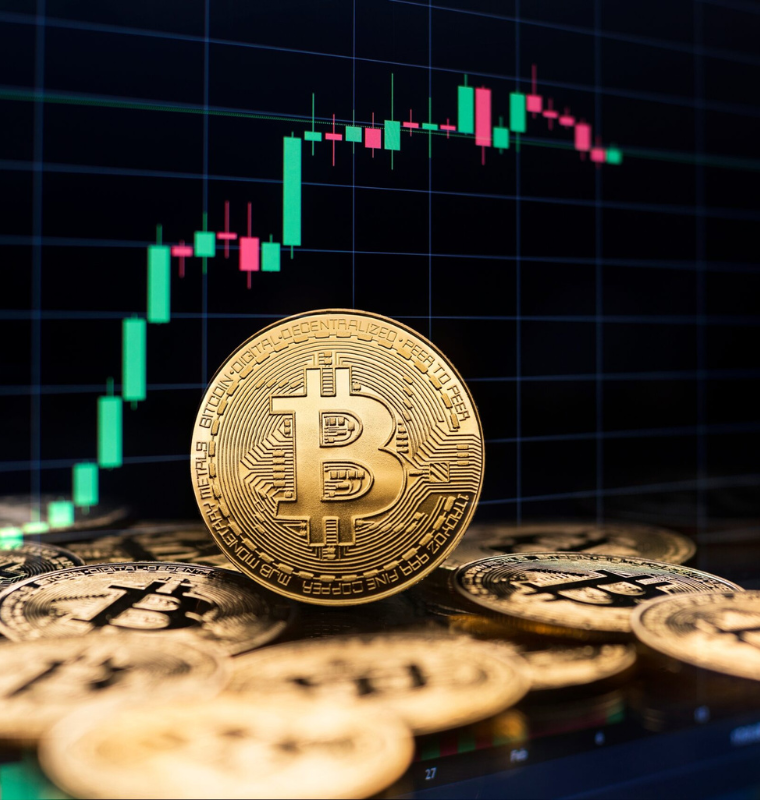
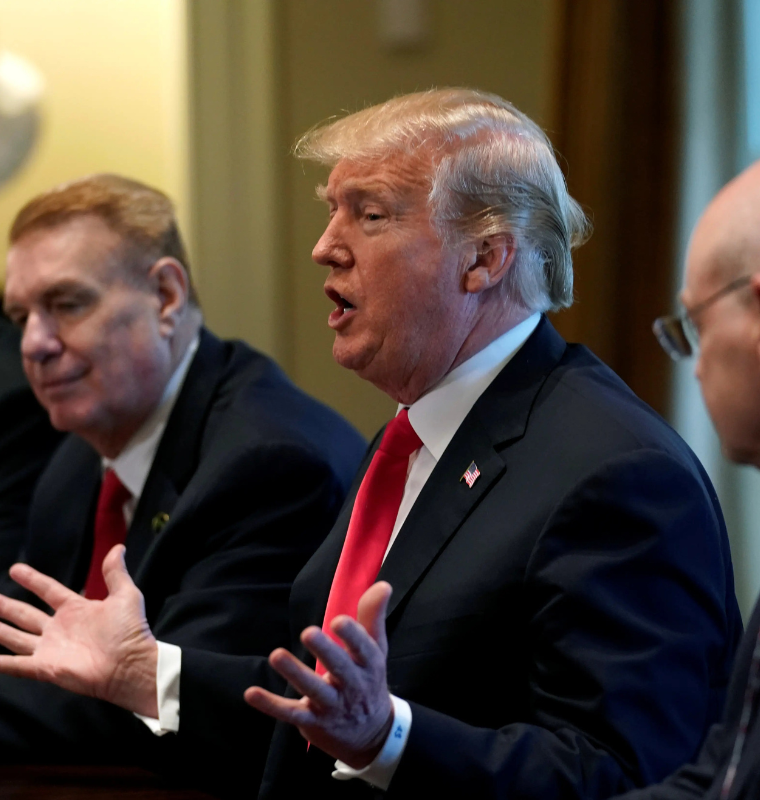
The cryptocurrency market is currently experiencing a sharp decline as global trade concerns take center stage. Bitcoin, the largest digital asset, has fallen below critical support levels as investors react to fears of escalating tariffs between the United States and European Union. This development underscores how macroeconomic issues can influence digital asset pricing.
Bitcoin leads the downward trend
Bitcoin’s decline is setting the tone for the broader crypto market. Once seen as a relatively independent asset, Bitcoin now mirrors investor concerns about global financial stability. Rapid sell offs have pushed the price below benchmarks that traders monitor closely, sparking caution across the board.
Altcoins follow Bitcoin into the red
Major altcoins have also suffered notable losses during this period. Ethereum, along with other large market cap tokens, has mirrored Bitcoin’s trajectory, with some experiencing deeper declines due to lower liquidity. Market participants are adjusting their positions in response to the heightened risk environment.
Liquidations exacerbate the sell off
A surge in liquidations has amplified downward momentum. Traders who were holding leveraged positions found themselves automatically exited, which intensified selling pressure. This chain reaction has highlighted the inherent risk in high leverage trading during periods of market stress.
Investor sentiment turns cautious
The tone among both retail and institutional investors has shifted towards caution. Fear and uncertainty are evident in trading patterns and social discussions, as participants weigh the impact of global trade tensions on digital assets. Many are choosing to reduce exposure or temporarily step aside.
Macro events dominate crypto narratives
Global economic developments are playing a central role in shaping market behavior. In addition to trade tensions, investors are monitoring interest rate trends and inflation indicators. Cryptocurrencies, while unique in their characteristics, are increasingly being influenced by traditional financial markets.
Institutional players adopt defensive strategies
Professional funds and institutional traders are reacting by taking a defensive approach. Rather than increasing exposure, many are focusing on risk management and liquidity preservation. This cautious behavior reflects a broader strategy to weather volatility without incurring large losses.
On chain metrics provide insight into holder behavior
Blockchain data shows that long term holders are largely holding steady, suggesting confidence in the underlying technology despite short term price declines. Exchange inflows and outflows indicate that some participants prefer custody over trading during volatile periods.
Retail engagement slows amid uncertainty
Retail investors have shown a reduction in active trading as market uncertainty grows. Many are waiting for more clarity before reentering positions. This temporary withdrawal can reduce liquidity and further magnify price swings in the short term.
Potential paths forward
As the market digests macroeconomic concerns, it may enter a period of consolidation. Prices could stabilize as participants recalibrate risk, setting the stage for the next directional move. Market watchers will be closely observing both Bitcoin and altcoin performance to gauge whether recovery or further decline will dominate the coming weeks.

Popular articles



Subscribe to unlock premium content
Disney’s Timeless Magic and How the Entertainment Giant Continues to Shape Culture and Innovation

Imran Khan’s Economic Missteps Amid Political Chaos in Pakistan

The Philippines’ Digital Shift How Remittances and BPO Are Fueling Growth

Disney’s Timeless Magic and How the Entertainment Giant Continues to Shape Culture and Innovation
Imran Khan’s Economic Missteps Amid Political Chaos in Pakistan
Disney’s Timeless Magic and How the Entertainment Giant Continues to Shape Culture and Innovation