Bitcoin Tumbles Below 92500 as U.S.–EU Tariff Tensions Escalate

Bitcoin Tumbles Below 92500 as U.S.–EU Tariff Tensions Escalate
By
Leah Rosenfeld
Last updated:
January 20, 2026
First Published:
January 20, 2026

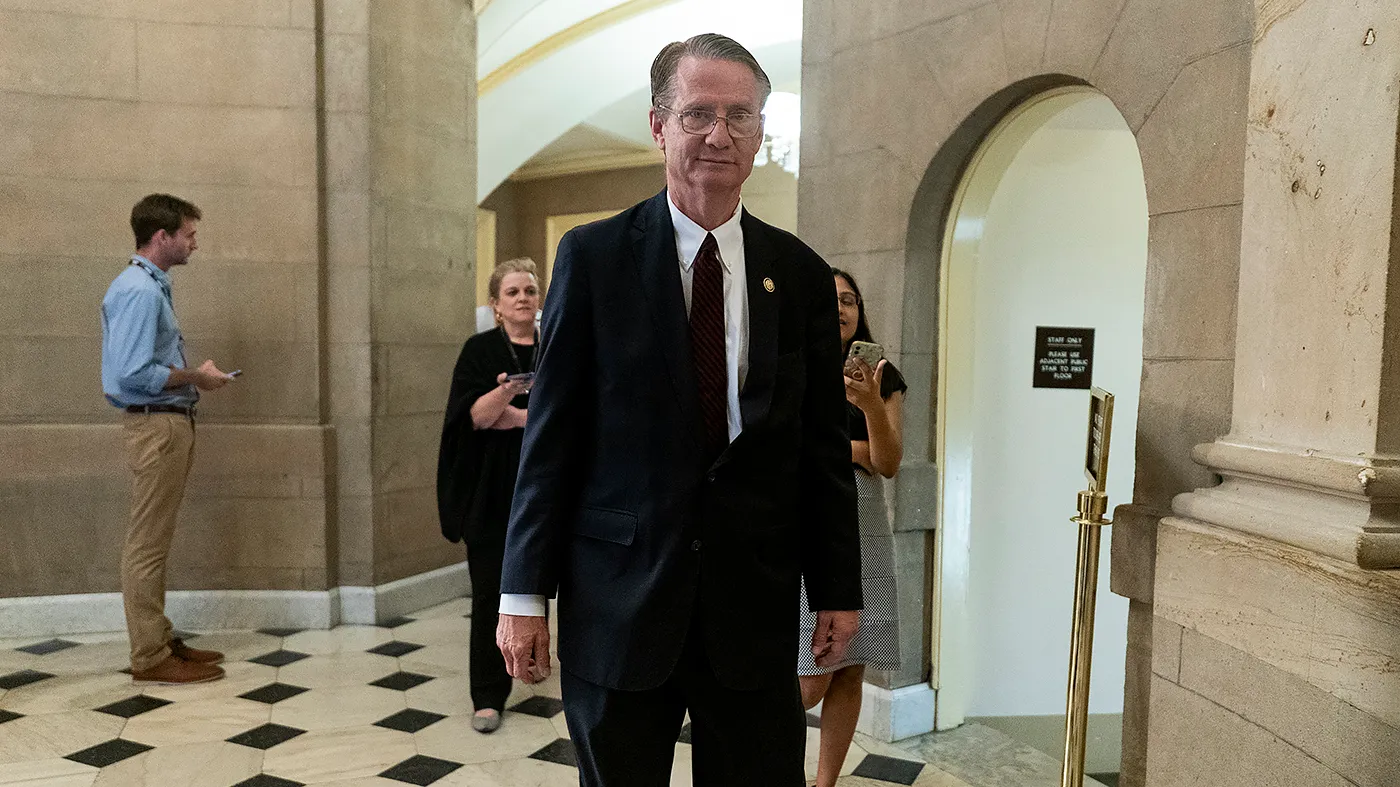
Photo: Crypto Valley Journal
Global Tensions Weigh on Risk Assets
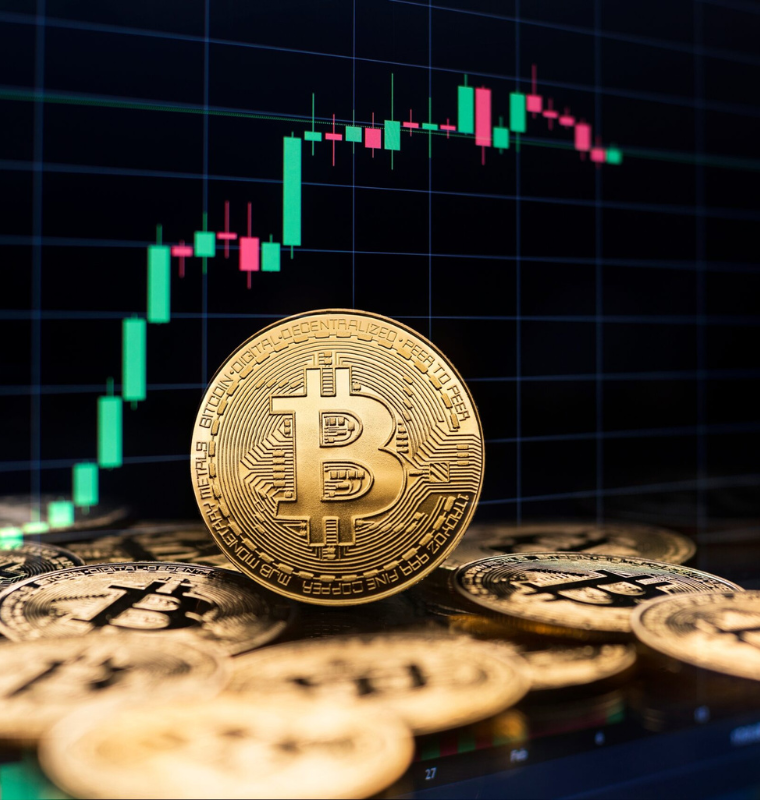
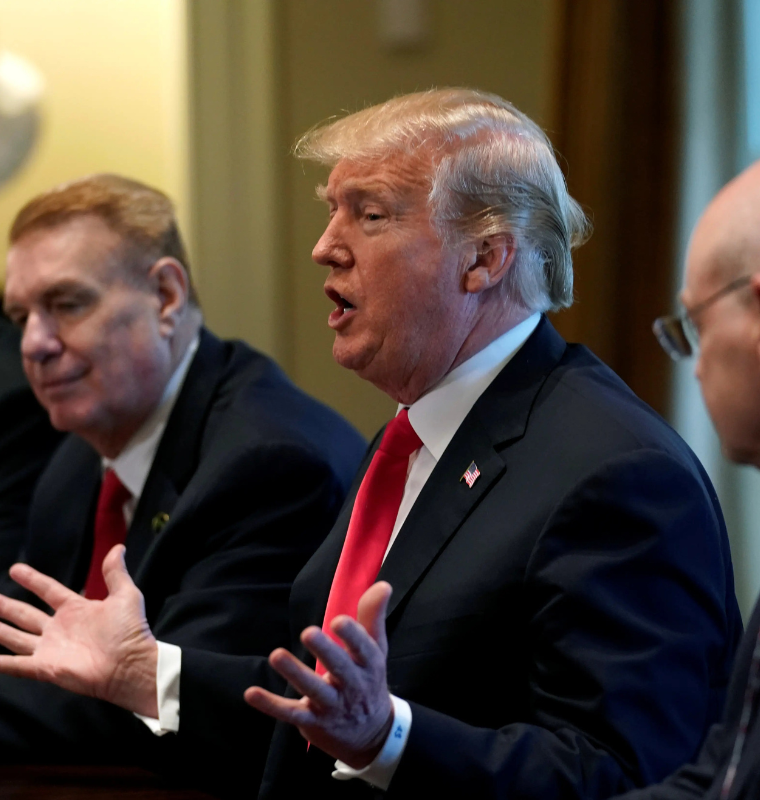
Bitcoin recently fell below the 92500 level as investors reacted to increasing trade tensions between the United States and the European Union. The uncertainty surrounding tariffs and trade policies has prompted market participants to reduce exposure to riskier assets including cryptocurrencies. This decline reflects the growing impact of global macroeconomic events on digital assets.
Correlation Between Crypto and Traditional Markets
The recent downturn highlights the continuing correlation between Bitcoin and traditional financial markets. As equity markets experienced volatility due to fears of an escalating trade war, cryptocurrencies followed suit. This connection suggests that Bitcoin, once considered an independent asset, is increasingly sensitive to global economic conditions.
Investor Behavior Amid Market Uncertainty
Many traders adopted a cautious stance as news of potential tariffs spread. Profit taking, reduction of leveraged positions, and defensive portfolio adjustments contributed to the downward momentum. Retail investors were particularly reactive, amplifying price swings through short term selling.
Impact on Ethereum and Altcoins
Ethereum and other major altcoins also faced pressure in line with Bitcoin’s movement. Market participants often view Bitcoin as the leading indicator, with declines in its price spilling over into other cryptocurrencies. This synchronized drop emphasizes the interconnected nature of the crypto market.
Short Term Trading and Liquidations
The drop triggered automated liquidations across trading platforms, magnifying the speed and depth of the decline. Traders using high leverage were forced to close positions, which added additional selling pressure. These events often create a feedback loop that intensifies short term volatility.
Long Term Holders Provide Stability
Despite the short term downturn, on chain data indicates that long term holders are maintaining positions. These investors appear confident in Bitcoin’s fundamental value and view market corrections as natural phases within a longer growth trajectory.
Media Coverage Influences Perception
Headlines emphasizing rapid declines can heighten fear among less experienced investors. Media narratives can reinforce short term reactions even when structural fundamentals remain strong, demonstrating the power of perception in shaping market behavior.
Regulatory Developments and Market Sensitivity
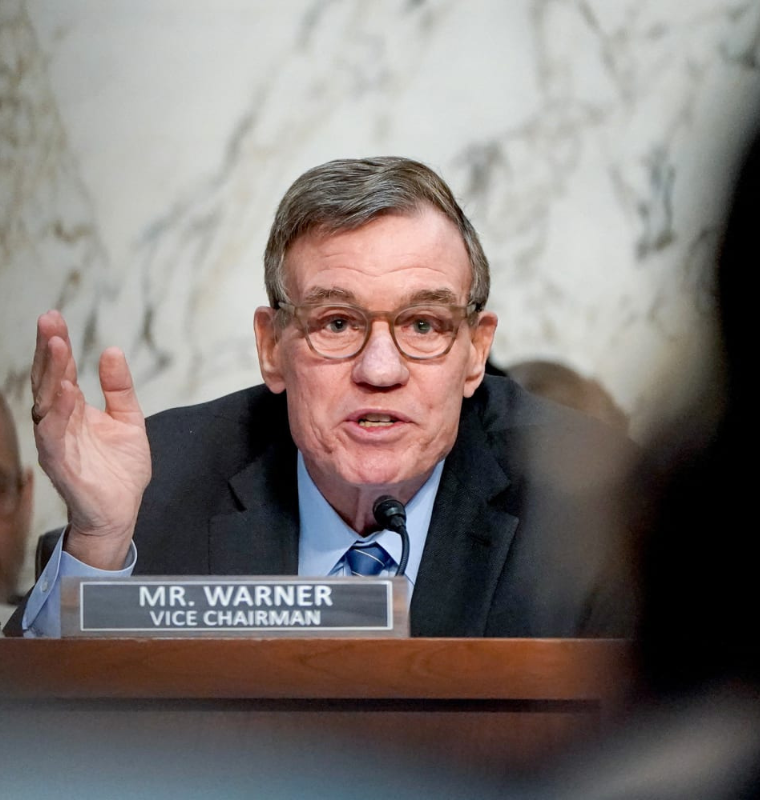
Regulatory discussions in the United States and the European Union continue to play a role in market sentiment. Policy uncertainty can create additional hesitation among investors, further amplifying price movements in response to macroeconomic news.
Potential Stabilization Scenarios
Bitcoin may find support at lower levels as investors reassess risk and macroeconomic conditions clarify. Market consolidation periods often follow sharp declines, allowing for renewed confidence to emerge. A return to upward momentum may depend on both trade developments and investor sentiment.
Looking Beyond Short Term Fluctuations
While the decline below 92500 is notable, it does not undermine Bitcoin’s long term prospects. Historical patterns show that price corrections are part of the maturation process for cryptocurrency markets, and periods of volatility often precede renewed growth.
Popular articles



Subscribe to unlock premium content
Disney’s Timeless Magic and How the Entertainment Giant Continues to Shape Culture and Innovation

Imran Khan’s Economic Missteps Amid Political Chaos in Pakistan

The Philippines’ Digital Shift How Remittances and BPO Are Fueling Growth

Disney’s Timeless Magic and How the Entertainment Giant Continues to Shape Culture and Innovation
Imran Khan’s Economic Missteps Amid Political Chaos in Pakistan
Disney’s Timeless Magic and How the Entertainment Giant Continues to Shape Culture and Innovation