Bitcoin Slumps Over Eleven Percent From Monthly Highs
By
David Goldfarb
Last updated:
January 26, 2026
First Published:
January 26, 2026

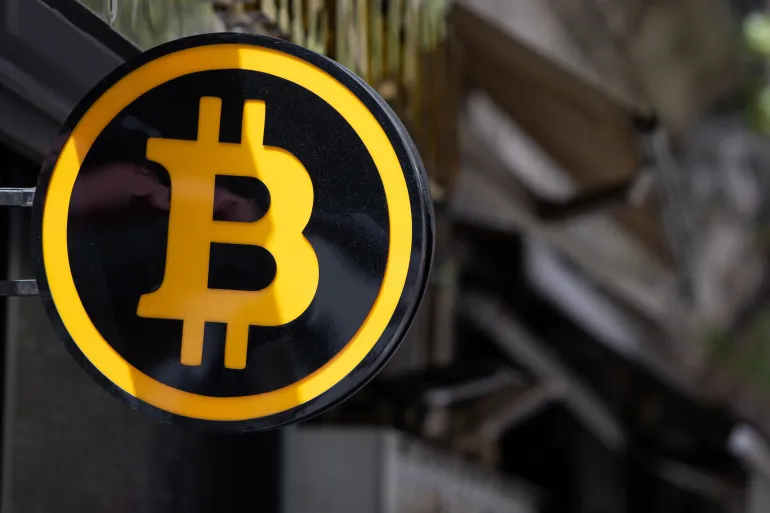
Photo: Al Jazeera
Bitcoin leads a rapid decline
Bitcoin has fallen more than eleven percent from its recent monthly highs, triggering alarm among market participants. This steep drop highlights the high volatility of the cryptocurrency market and underscores the risks associated with rapid price movements. Traders and investors are closely watching key support levels to gauge potential stabilization points.
Altcoins follow Bitcoin’s sharp descent
Major altcoins including Ethereum, Binance Coin, and other significant tokens have mirrored Bitcoin’s losses, with some experiencing even larger percentage declines due to lower liquidity. The synchronized sell off indicates that market-wide sentiment is heavily influenced by Bitcoin’s performance.
Liquidations surge amid market turmoil
A significant factor driving the sharp declines is the spike in liquidations. Traders with leveraged positions were forced out as prices fell, further intensifying selling pressure. This chain reaction demonstrates how leverage can magnify market moves during periods of instability.
Investor sentiment shifts to fear
Fear has become the dominant sentiment among both retail and institutional participants. The rapid losses have led many traders to pause activity or exit positions entirely. Social and market indicators show heightened caution, with investors reassessing strategies to manage risk effectively.
Institutional participants maintain cautious positions
Institutional funds and professional investors are adopting defensive stances. While some are cautiously accumulating during dips, the majority are focused on preserving liquidity. Their careful approach underscores the need to manage exposure during turbulent market conditions.
On chain data highlights steady long term holders
Despite the volatility, blockchain data reveals that long term holders are largely maintaining positions. This indicates confidence in the fundamentals and technology underpinning cryptocurrencies, suggesting that the sell off is primarily driven by short term traders and leveraged positions.
Retail trading activity declines
Smaller investors are showing reduced engagement as panic spreads across market communities. Many retail participants are taking a wait and see approach, temporarily stepping back from trading to evaluate market direction. This withdrawal contributes to lower liquidity and can exacerbate volatility.
Analysts debate whether this is a short term correction
Experts are divided on whether the current slump represents a temporary correction or the start of a longer bearish trend. Key indicators such as support levels, trading volumes, and macroeconomic conditions will determine whether the market stabilizes or experiences further declines.
Macro factors continue to influence the market
Global economic news, including trade tensions, interest rate expectations, and inflation developments, continue to play a significant role in shaping crypto market behavior. Investors are factoring these elements into decision making, which amplifies sensitivity to external events.
Potential outlook for the near term
The market may enter a short consolidation phase as participants digest recent losses and recalibrate risk exposure. Whether this leads to renewed growth or extended downturn depends on investor confidence, liquidity, and macroeconomic clarity. Caution and strategic positioning remain essential for navigating the current environment.

Popular articles



Subscribe to unlock premium content
Disney’s Timeless Magic and How the Entertainment Giant Continues to Shape Culture and Innovation

Imran Khan’s Economic Missteps Amid Political Chaos in Pakistan

The Philippines’ Digital Shift How Remittances and BPO Are Fueling Growth

Disney’s Timeless Magic and How the Entertainment Giant Continues to Shape Culture and Innovation
Imran Khan’s Economic Missteps Amid Political Chaos in Pakistan
Disney’s Timeless Magic and How the Entertainment Giant Continues to Shape Culture and Innovation