Bitcoin Slips Below Ninety Three Thousand as Market Volatility Intensifies

Bitcoin Slips Below Ninety Three Thousand as Market Volatility Intensifies
By
David Goldfarb
Last updated:
January 18, 2026
First Published:
January 18, 2026


A Sudden Shock to the Crypto Market
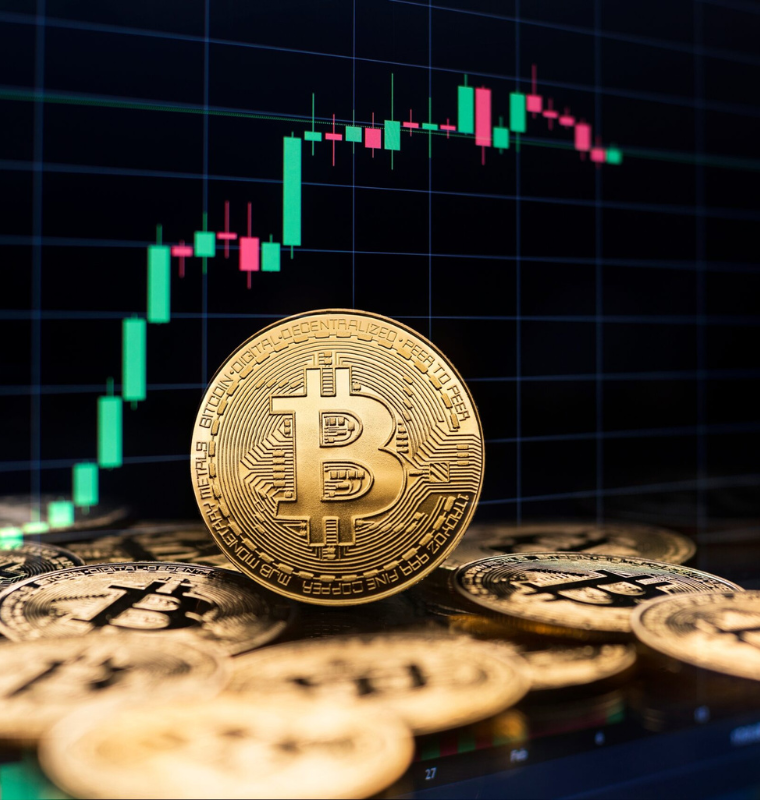
Bitcoin falling below the ninety three thousand level has sent a wave of concern across the cryptocurrency industry. The move was swift and unexpected for many traders who had positioned themselves for continued upside. As prices dropped sharply, leveraged positions were rapidly unwound, creating a cascade effect that amplified selling pressure and heightened short term volatility.
The Role of Leveraged Trading in the Decline
A major factor behind the steep fall was the high level of leveraged long positions in the market. Many traders were betting on sustained momentum after recent rallies. When Bitcoin began to slide, liquidation thresholds were triggered across exchanges, forcing automatic sell orders. This mechanism turned a normal correction into a more dramatic price movement within a short time frame.
Understanding the Liquidation Cascade
Liquidations in the hundreds of millions reflect how interconnected modern crypto markets have become. As one position is closed, it pushes prices lower, which then triggers the next wave of liquidations. This chain reaction often unfolds faster than human decision making, driven primarily by algorithmic systems designed to manage risk but sometimes intensifying losses.
Market Sentiment Shifts Rapidly
The price drop has altered sentiment among both retail and institutional participants. Optimism that dominated recent weeks has given way to caution. Traders are reassessing risk exposure, while long term holders are watching closely to determine whether this move represents a temporary pullback or the start of a broader trend reversal.
Macroeconomic Signals Add Pressure
Beyond crypto specific factors, broader economic signals are also influencing Bitcoin’s movement. Expectations around interest rates, liquidity conditions, and global market stability continue to shape investor behavior. When uncertainty rises in traditional markets, speculative assets like Bitcoin often experience sharper reactions as capital rotates toward perceived safety.
Impact on Altcoins and the Wider Ecosystem
Bitcoin’s decline has not occurred in isolation. Many altcoins followed the downward movement, with some experiencing even steeper losses due to lower liquidity. This reinforces Bitcoin’s role as the market anchor, where its price action sets the tone for the entire digital asset ecosystem.
Exchange Risk Management Under Scrutiny
Periods of heavy liquidation place exchanges under intense scrutiny. Traders are increasingly evaluating platform stability, liquidation engines, and transparency. Events like this often reignite debates around leverage limits and whether current risk controls adequately protect users during extreme volatility.
Long Term Holders Remain Resilient
Despite the short term turbulence, long term Bitcoin holders appear largely unfazed. On chain data trends suggest that many investors with longer time horizons are not rushing to sell. For them, price swings are part of a broader cycle that has historically included sharp corrections followed by renewed growth.
What This Means for Future Price Action
The drop below ninety three thousand could serve as a reset point for the market. If selling pressure subsides, Bitcoin may establish a new support range before attempting another move higher. Alternatively, continued macro or regulatory pressure could extend the correction further, testing market conviction.
A Reminder of Crypto Market Realities
This episode serves as a clear reminder that cryptocurrency markets remain highly volatile. Rapid gains often come with equally rapid pullbacks, especially in environments dominated by leverage. For participants, the event underscores the importance of risk management, disciplined strategy, and realistic expectations.
Popular articles



Subscribe to unlock premium content
Disney’s Timeless Magic and How the Entertainment Giant Continues to Shape Culture and Innovation

Imran Khan’s Economic Missteps Amid Political Chaos in Pakistan

The Philippines’ Digital Shift How Remittances and BPO Are Fueling Growth

Disney’s Timeless Magic and How the Entertainment Giant Continues to Shape Culture and Innovation
Imran Khan’s Economic Missteps Amid Political Chaos in Pakistan
Disney’s Timeless Magic and How the Entertainment Giant Continues to Shape Culture and Innovation