Bitcoin Slips Below 90000 Amid Intensifying Global Market Pressure

Bitcoin Slips Below 90000 Amid Intensifying Global Market Pressure
By
Calder Monroe
Last updated:
January 20, 2026
First Published:
January 20, 2026

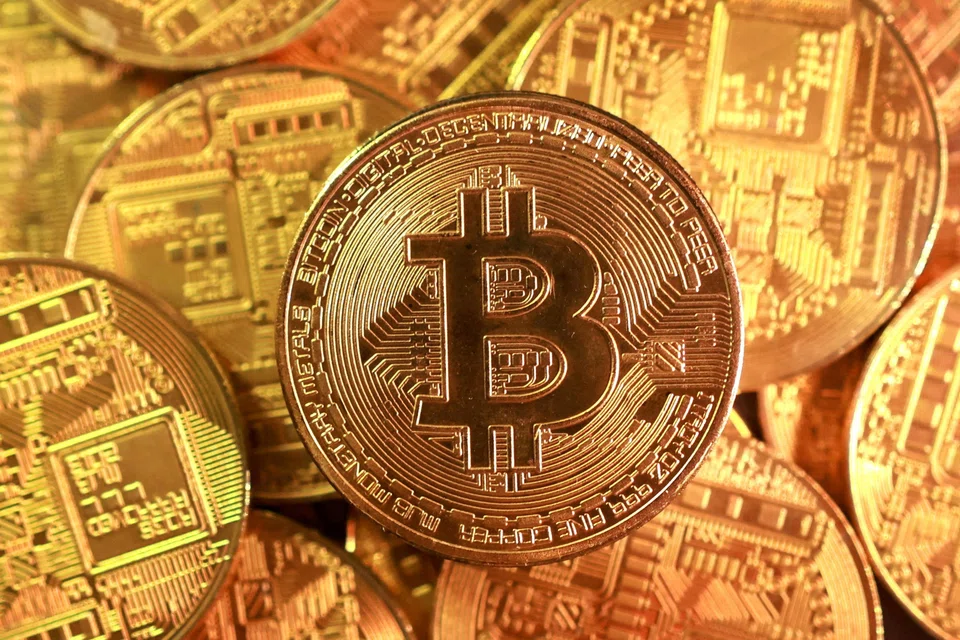
Photo: The Business Times
Market Shock and Immediate Reactions
Bitcoin falling below the 90000 level sent a strong signal across the digital asset industry. Traders and long term holders alike reacted quickly as prices moved downward within a short time frame. This drop was not isolated to Bitcoin alone as the broader crypto market reflected similar weakness. The psychological importance of this price level amplified emotional responses and increased short term volatility.
Macroeconomic Uncertainty Driving Sentiment
Global financial markets are currently facing uncertainty driven by inflation concerns interest rate expectations and geopolitical tension. These macro factors have a direct influence on risk assets including cryptocurrencies. As traditional markets showed instability many investors reduced exposure to assets considered volatile which placed additional pressure on Bitcoin prices.
Institutional Investors Adjusting Exposure
Large scale investors have become more active in portfolio rebalancing during this period. Some institutions chose to lock in profits accumulated during the recent rally while others shifted capital into safer instruments. This movement of capital reduced buying support and accelerated the downward price movement in Bitcoin.
Retail Traders Respond to Volatility
Retail participation remains a major force in the crypto ecosystem. As prices declined many smaller investors reacted defensively either by selling to avoid further losses or by waiting on the sidelines. Fear driven decision making contributed to rapid price swings and reduced overall market confidence in the short term.
Liquidations and Leverage Pressure
High leverage trading played a critical role in intensifying the decline. As Bitcoin crossed key support levels automated liquidations were triggered across multiple trading platforms. These forced sell offs added further downward pressure and created a cascading effect that deepened the temporary market imbalance.
Correlation With Traditional Markets
Bitcoin continues to show periods of correlation with equities and other global assets. During this decline stock market weakness and concerns around economic growth appeared closely aligned with crypto performance. This relationship reinforces the view that Bitcoin is increasingly influenced by broader financial conditions rather than operating in isolation.
On Chain Data and Network Activity
Despite the price decline on chain indicators suggest that long term network fundamentals remain stable. Wallet activity transaction volume and long term holding patterns show limited signs of panic among seasoned participants. This data indicates that the sell off may be driven more by short term sentiment than by structural weakness.
Media Influence and Public Perception
Widespread media coverage of the price drop contributed to heightened concern among less experienced investors. Headlines focusing on rapid declines often amplify fear even when underlying conditions remain relatively unchanged. Public perception plays a powerful role in shaping short term market behavior within the crypto industry.
Potential Scenarios Moving Forward
Looking ahead Bitcoin could experience a period of consolidation as markets absorb recent movements. Stabilization may occur if macro conditions improve or if buying interest returns at lower levels. Alternatively continued uncertainty could lead to extended volatility before a clearer trend emerges.
Long Term Outlook for Bitcoin
While the drop below 90000 captured attention it does not necessarily redefine Bitcoin long term potential. Historically Bitcoin has experienced multiple sharp corrections within broader growth cycles. Many industry participants continue to view these moments as part of a maturing market rather than a signal of fundamental decline.

Popular articles



Subscribe to unlock premium content
Disney’s Timeless Magic and How the Entertainment Giant Continues to Shape Culture and Innovation

Imran Khan’s Economic Missteps Amid Political Chaos in Pakistan

The Philippines’ Digital Shift How Remittances and BPO Are Fueling Growth

Disney’s Timeless Magic and How the Entertainment Giant Continues to Shape Culture and Innovation
Imran Khan’s Economic Missteps Amid Political Chaos in Pakistan
Disney’s Timeless Magic and How the Entertainment Giant Continues to Shape Culture and Innovation