Bitcoin Sell Off Ripples Through Altcoins as Market Cap Contracts

Bitcoin Sell Off Ripples Through Altcoins as Market Cap Contracts
By
Calder Monroe
Last updated:
January 30, 2026
First Published:
January 30, 2026

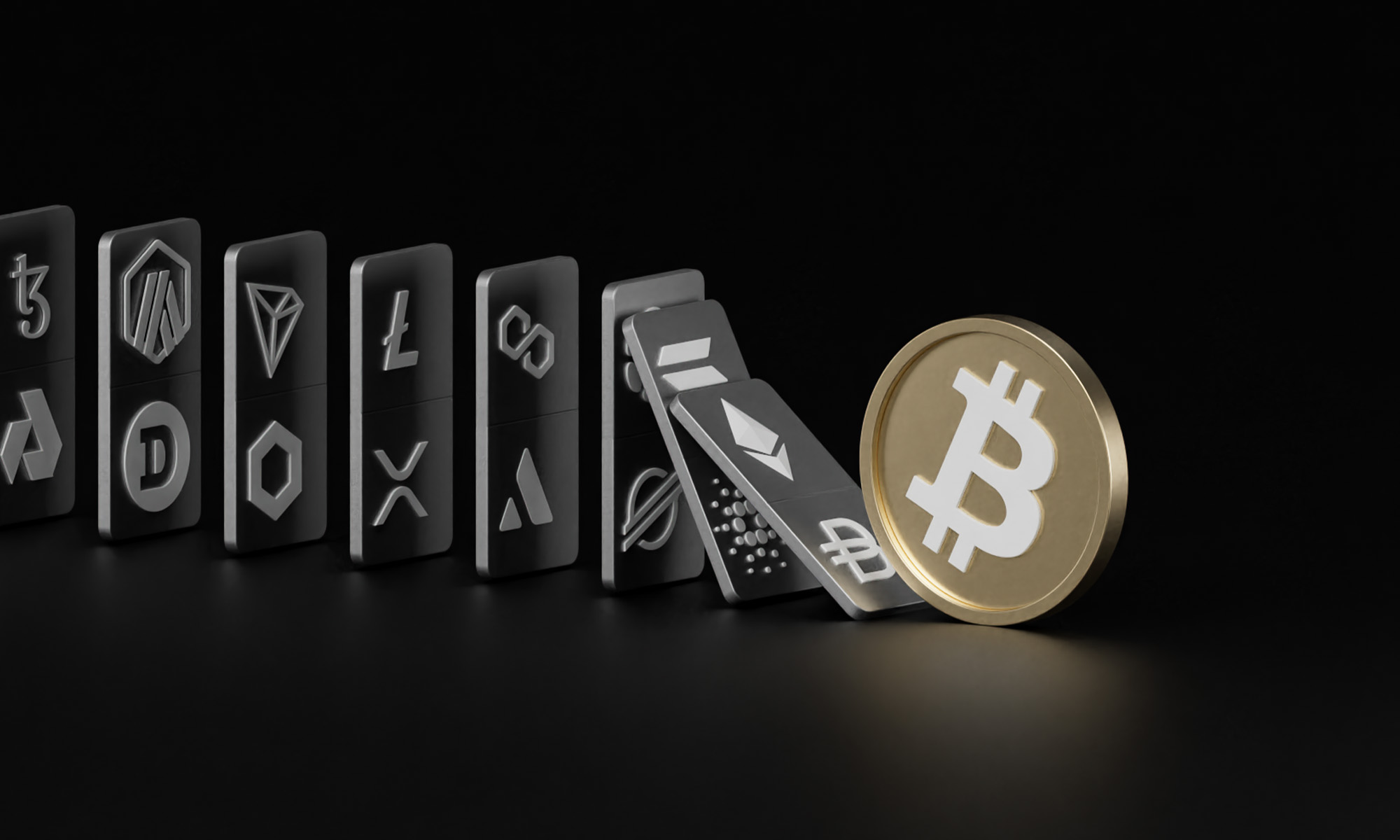
Photo: Bitpanda Blog
Market Overview
The cryptocurrency market experienced a sharp shift as Bitcoin entered a renewed sell off phase triggering a visible contraction across the broader digital asset landscape. As the largest and most influential cryptocurrency Bitcoin often sets the tone for overall market sentiment. This recent downturn has once again reinforced how deeply interconnected Bitcoin is with the rest of the crypto ecosystem.
Bitcoin as the Market Anchor
Bitcoin dominance remains a defining force within the industry. When Bitcoin loses momentum liquidity often exits altcoins at a faster pace as traders seek safety or reduce exposure entirely. This dynamic played out clearly during the latest decline with capital rotating out of high volatility tokens and into stable assets or fiat positions.
Altcoins Feel Immediate Impact
Major altcoins such as Ethereum Solana and XRP followed Bitcoin downward reflecting the lack of independent bullish catalysts. Even projects with strong fundamentals struggled to maintain price stability. This pattern highlights how altcoins remain vulnerable during periods of Bitcoin weakness regardless of individual roadmap progress or network upgrades.
Investor Sentiment Turns Defensive
Market psychology shifted noticeably as fear replaced optimism among short term traders. Many investors chose to lock in profits from earlier rallies while others exited positions to avoid deeper losses. This defensive behavior accelerated selling pressure and reduced overall market depth especially in mid cap and low cap assets.
Liquidations Amplify Volatility
The sell off was further intensified by a wave of forced liquidations across leveraged trading platforms. As prices fell margin positions were automatically closed pushing prices even lower in a cascading effect. This chain reaction remains a structural risk in modern crypto markets where leverage is widely accessible.
Market Capitalization Shrinks
Total cryptocurrency market capitalization declined significantly during the sell off reflecting the scale of value erosion across assets. A shrinking market cap often signals reduced investor confidence and lower inflows of new capital. It also affects project funding valuations and long term development planning.
Institutional Behavior During the Decline
Institutional participants appeared cautious rather than reactive. On chain data suggested limited panic selling from long term holders and large wallets. This behavior indicates that while short term volatility remains high institutional players may still be positioning for longer term accumulation rather than exiting the market entirely.
Macroeconomic Influence on Crypto Prices
Broader financial conditions played a role in the sell off as global markets adjusted to changing monetary expectations. Higher interest rate sensitivity and cautious capital allocation have reduced speculative appetite across risk assets including cryptocurrencies. Bitcoin despite its unique properties continues to react to global liquidity trends.
Opportunities Hidden in Market Stress
Periods of market contraction historically create opportunities for disciplined investors. Projects with strong utility active user bases and sustainable token economics often emerge stronger after volatility subsides. Experienced market participants view these phases as testing grounds that separate long term value from short lived speculation.
What Comes Next for the Crypto Market
The current sell off places the crypto industry at a crossroads. Whether the market stabilizes or continues downward will depend on Bitcoin price behavior regulatory clarity and renewed capital inflows. While uncertainty dominates the short term the underlying innovation within blockchain technology continues to move forward beyond price fluctuations.

Popular articles



Subscribe to unlock premium content
Disney’s Timeless Magic and How the Entertainment Giant Continues to Shape Culture and Innovation

Imran Khan’s Economic Missteps Amid Political Chaos in Pakistan

The Philippines’ Digital Shift How Remittances and BPO Are Fueling Growth

Disney’s Timeless Magic and How the Entertainment Giant Continues to Shape Culture and Innovation
Imran Khan’s Economic Missteps Amid Political Chaos in Pakistan
Disney’s Timeless Magic and How the Entertainment Giant Continues to Shape Culture and Innovation