Bitcoin Price Hits Fresh 2026 Low Amid Ongoing Market Plunge
By
David Goldfarb
Last updated:
January 30, 2026
First Published:
January 30, 2026

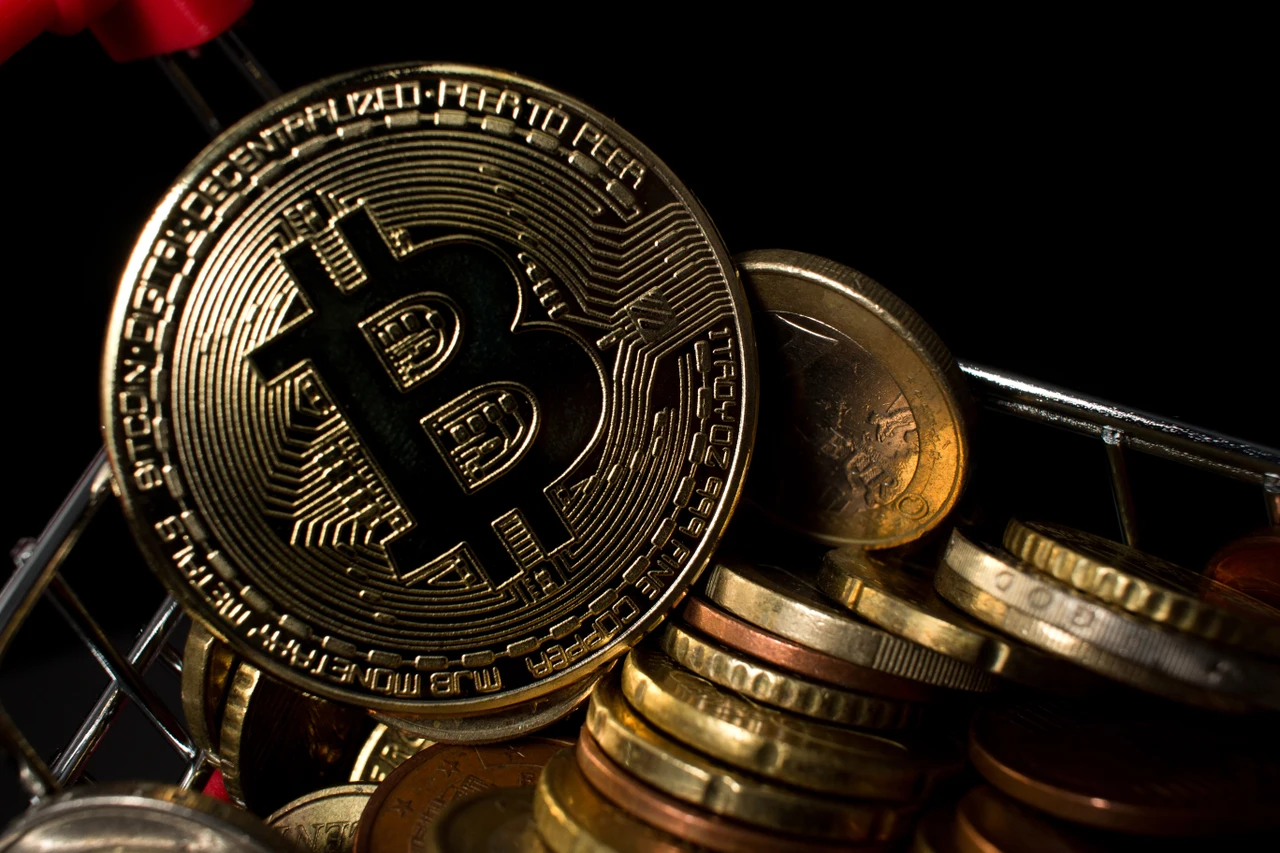
Photo: Seeking Alpha
Market Snapshot
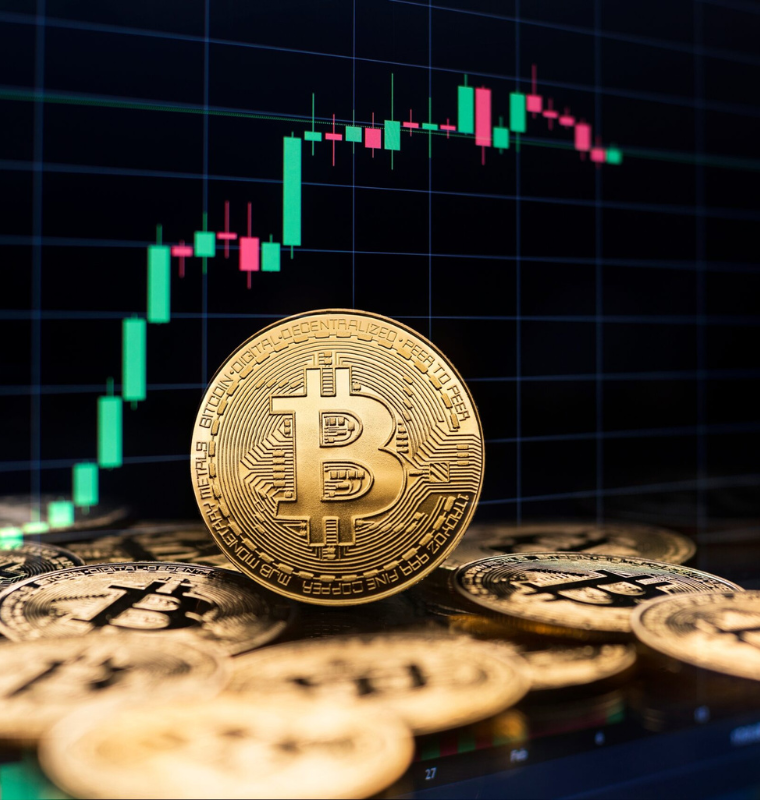
Bitcoin entered a challenging phase as prices slipped to a new low for 2026 reflecting sustained selling pressure across the digital asset market. The decline unfolded rapidly drawing attention from traders analysts and long term holders alike. This movement has reinforced concerns about short term stability while reopening broader discussions around valuation and market cycles.
Price Action and Momentum
The recent price drop was marked by strong downward momentum with limited buying support at key psychological levels. As Bitcoin moved lower trading volumes increased indicating conviction behind the sell off. Such price behavior often signals a market searching for equilibrium after an extended period of uncertainty.
Technical Structure Under Stress
From a technical perspective Bitcoin breaking below prior support zones altered short term market structure. Many traders view these levels as indicators of trend strength and their failure tends to accelerate bearish sentiment. This shift prompted algorithmic trading systems and momentum based strategies to further reduce exposure.
Trader Psychology in a Falling Market
Emotional responses play a major role during sharp downturns. Fear driven decisions often override long term strategy as participants rush to preserve capital. The latest Bitcoin decline triggered a rise in defensive positioning with traders favoring liquidity over risk despite potential rebound scenarios.
Role of Derivatives and Leverage
Leverage amplified the move as futures and perpetual contract positions were forced to close. Liquidations contributed to rapid price extensions as selling cascaded through the order books. This mechanism continues to be a defining feature of modern Bitcoin markets where derivatives volume rivals spot trading activity.
Impact on Broader Crypto Assets
Bitcoin reaching a fresh yearly low sent shockwaves across the wider cryptocurrency sector. Altcoins closely mirrored Bitcoin’s trajectory with most assets failing to decouple. This correlation underscores Bitcoin’s role as the primary reference point for risk assessment across digital markets.
Long Term Holders Remain Measured
Despite short term turbulence on chain indicators suggested restrained behavior from long term holders. Many wallets with extended holding periods showed minimal distribution. This contrast between short term panic and long term patience reflects differing investment horizons within the Bitcoin ecosystem.
Macro Factors Shaping Price Direction
External economic conditions continue to influence Bitcoin performance. Shifts in global liquidity tighter financial conditions and cautious capital allocation have reduced appetite for speculative assets. Bitcoin while often described as independent still reacts to these broader financial signals during periods of stress.
Market Narratives and Media Influence
Negative headlines surrounding price declines tend to reinforce bearish narratives. Media focus on new lows can magnify uncertainty and discourage new entrants. However experienced participants often view such coverage as part of a recurring cycle rather than a definitive signal of long term failure.
Strategic Outlook for Investors
For investors this phase demands clarity of strategy. Short term traders may prioritize risk management while long term participants assess accumulation opportunities. Historically periods when Bitcoin tests new lows often precede structural resets that shape the next market phase.
Looking Ahead
Bitcoin’s ability to stabilize above emerging support levels will determine near term direction. A sustained base could restore confidence while further breakdowns may extend volatility. Regardless of immediate price action Bitcoin’s underlying network activity and global relevance remain intact beyond temporary market downturns.

Popular articles



Subscribe to unlock premium content
Disney’s Timeless Magic and How the Entertainment Giant Continues to Shape Culture and Innovation

Imran Khan’s Economic Missteps Amid Political Chaos in Pakistan

The Philippines’ Digital Shift How Remittances and BPO Are Fueling Growth

Disney’s Timeless Magic and How the Entertainment Giant Continues to Shape Culture and Innovation
Imran Khan’s Economic Missteps Amid Political Chaos in Pakistan
Disney’s Timeless Magic and How the Entertainment Giant Continues to Shape Culture and Innovation