Bitcoin Market Cap Plummets Falling Behind Saudi Aramco in Ranking

Bitcoin Market Cap Plummets Falling Behind Saudi Aramco in Ranking
By
Junia Wells
Last updated:
January 30, 2026
First Published:
January 30, 2026


Market Capitalization Overview
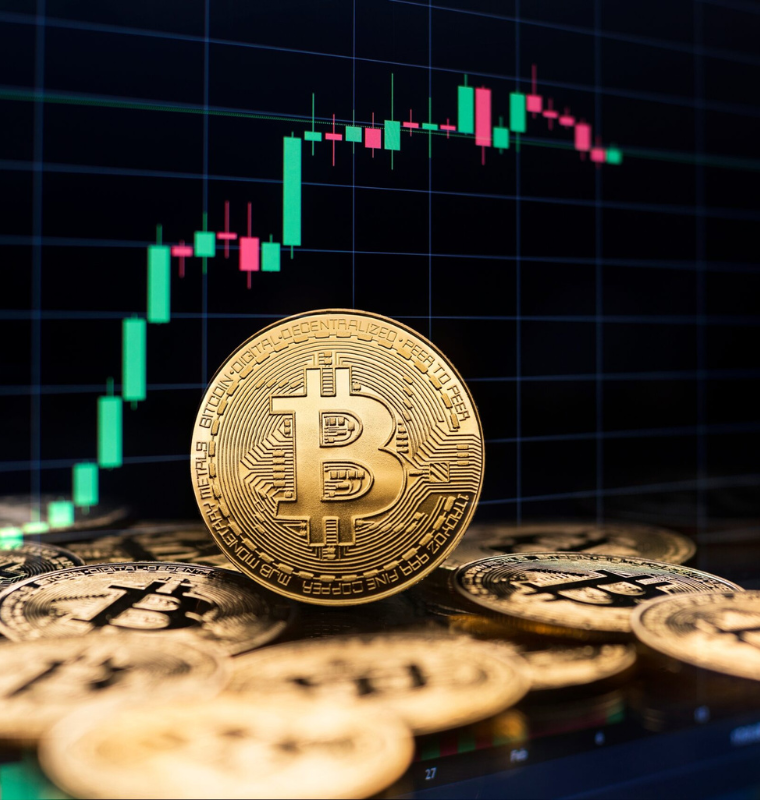
Bitcoin has experienced a notable contraction in its total market capitalization during early 2026. Once consistently ranking among the most valuable assets globally Bitcoin’s market cap has now fallen behind that of Saudi Aramco, the state oil giant. This shift highlights both the volatility inherent in digital assets and the growing influence of traditional markets on perception of value.
Factors Behind the Decline
Several factors contributed to Bitcoin’s market cap decline. Heightened selling pressure among retail and institutional participants increased circulating supply in the market. Coupled with weaker inflows from new investors the resulting imbalance drove valuation lower. Broader economic conditions such as tightening global liquidity and interest rate adjustments have further pressured the cryptocurrency market.
Impact on Investor Confidence
A drop in Bitcoin’s market cap often affects overall investor sentiment. As the most prominent digital asset, its decline can trigger caution among participants across the cryptocurrency ecosystem. Traders may reduce exposure to high volatility assets while long term holders might reassess strategies in response to perceived risk and uncertainty.
Comparison to Saudi Aramco
Saudi Aramco, a major oil and gas company, has maintained robust earnings and market confidence despite global fluctuations in energy prices. Bitcoin falling behind in market capitalization emphasizes the contrast between traditional corporate assets with tangible revenue streams and digital assets whose valuation is driven primarily by speculation and network activity.
Altcoin and Market Ripple Effects
As Bitcoin’s market cap contracts, altcoins experience correlated pressure. Tokens with smaller market capitalizations are particularly sensitive to shifts in liquidity and market psychology. Many altcoins saw notable declines following Bitcoin’s slide, underlining the interconnectedness of the cryptocurrency market.
Institutional Perception and Strategy
Institutional investors monitor Bitcoin’s ranking and capitalization as a measure of its maturity and stability. The recent decline may prompt portfolio adjustments, yet data suggests long term holders and large wallets remain relatively patient. This behavior contrasts with short term traders whose actions amplify volatility in the market.
Market Cycles and Historical Context
Historically Bitcoin has undergone several periods of rapid market cap expansion followed by contractions. While such shifts can be alarming in the short term they often reflect natural cycles of adoption, profit taking, and technological evolution within the cryptocurrency sector.
Macro Financial Influence
Global financial conditions continue to influence Bitcoin’s market cap. Rising interest rates and cautious investor sentiment in equity and bond markets have limited the inflow of speculative capital into cryptocurrencies. Bitcoin’s performance is increasingly seen in conjunction with broader market liquidity and risk appetite.
Long Term Outlook
Despite short term market cap losses, Bitcoin’s infrastructure, adoption, and network activity continue to grow. Analysts suggest that while temporary rankings may fluctuate the long term trajectory of digital assets remains focused on technological innovation and broader adoption of blockchain systems.
Implications for the Crypto Industry
Bitcoin losing its top valuation spot has broader implications for the cryptocurrency industry. Projects reliant on market confidence may experience temporary fundraising challenges, while investor education around digital asset volatility becomes more critical. The event serves as a reminder that digital assets remain highly dynamic in comparison to established corporate entities.

Popular articles



Subscribe to unlock premium content
Disney’s Timeless Magic and How the Entertainment Giant Continues to Shape Culture and Innovation

Imran Khan’s Economic Missteps Amid Political Chaos in Pakistan

The Philippines’ Digital Shift How Remittances and BPO Are Fueling Growth

Disney’s Timeless Magic and How the Entertainment Giant Continues to Shape Culture and Innovation
Imran Khan’s Economic Missteps Amid Political Chaos in Pakistan
Disney’s Timeless Magic and How the Entertainment Giant Continues to Shape Culture and Innovation