Balancer Faces a Harsh Reality as a Massive Vulnerability Exposes Fragility in DeFi

Balancer Faces a Harsh Reality as a Massive Vulnerability Exposes Fragility in DeFi
By
Rachel Steinberg
Last updated:
November 18, 2025
First Published:
December 2, 2025


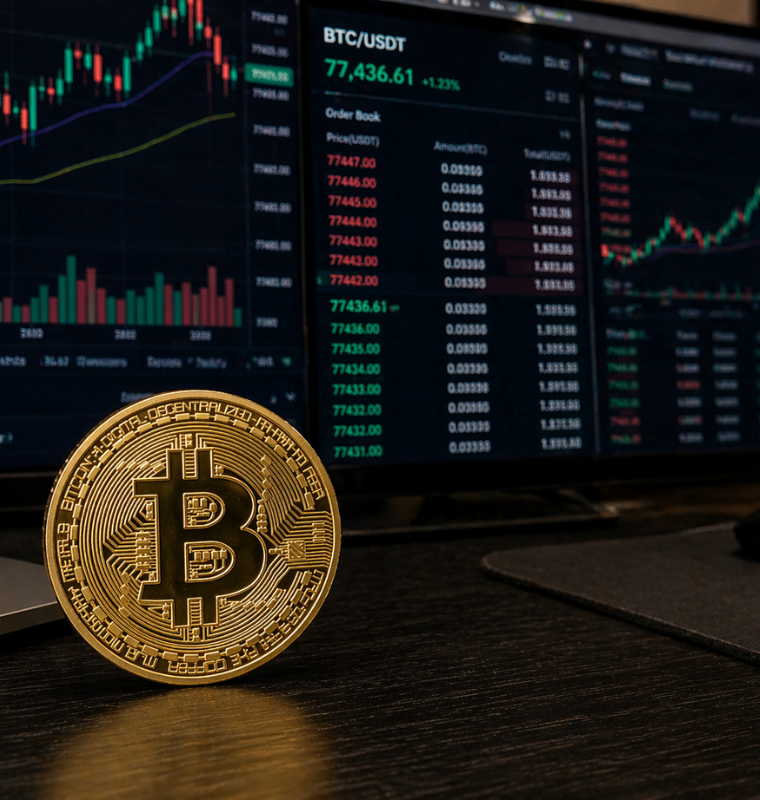
Photo: The Block
A Moment That Shattered an Illusion
For years Balancer was viewed as one of the most trusted pillars in the decentralized finance world. It offered automated liquidity pools and flexible asset management features that attracted both newcomers and seasoned crypto users. That image of stability unexpectedly cracked when a vulnerability with an exposure of more than one hundred sixteen million dollars came to light. The shock reverberated across the entire DeFi ecosystem as users realized how even the most established platforms remain vulnerable.
An Unexpected Discovery in a Mature Protocol
The vulnerability did not appear in a newly launched feature or an experimental pool. Instead it emerged from long standing contract logic that had been operating quietly for years. This made the discovery even more unsettling because users assumed that time tested code was safe. The revelation reminded the community that smart contracts do not age gracefully on their own. They require constant attention and proactive review.
The Challenge of Immutable Code
One of the defining strengths of DeFi is also its greatest weakness. Smart contracts are meant to be immutable which means they cannot be easily modified once deployed. While this ensures transparency and removes many opportunities for interference, it also traps errors permanently unless patching mechanisms exist. Balancer’s situation has reignited the conversation about how the industry must balance immutability with safety.
Panic Ripples Through Liquidity Providers
Once the news surfaced liquidity providers were quick to respond. Many began shifting funds into safer pools or withdrawing entirely. These movements reduced the depth of certain pools and created sudden imbalances that affected pricing and swap efficiency. The atmosphere swiftly shifted from calm confidence to widespread caution.
A Test of Community Response
The Balancer team acted quickly by issuing alerts, initiating emergency procedures and advising users to migrate funds. The transparency of the response helped prevent deeper losses but it also highlighted how fragile decentralized systems can become when unexpected threats surface. Coordination without a centralized authority is admirable but undeniably challenging.
Market Confidence Faces a New Stress Point
The broader DeFi market reacted as well. Projects dependent on Balancer pools or integrated liquidity functions faced temporary instability. Traders grew hesitant and volumes fell as the community waited for clarity. Even unrelated protocols experienced a slight dip as users took a step back to reassess the risks across the entire landscape.
The Rising Pressure on Auditing Standards
This event has sparked renewed pressure on auditing firms and security researchers to adopt more comprehensive and proactive methods. Routine audits may no longer be enough. The DeFi world is beginning to understand that continuous analysis, automated monitoring and collaborative reporting must become standard practice if the ecosystem hopes to avoid similar disruptions.
The Reality of Rapid Innovation
Innovation in decentralized finance moves at a remarkable pace. New features, new tokens and new mechanisms appear almost daily. This energetic development has helped DeFi grow quickly but it has also left gaps that sophisticated attackers can exploit. Balancer’s vulnerability is a reminder that growth without careful oversight can produce cracks that go unnoticed until they cause real damage.
Learning From the Incident
The incident will serve as a case study for future DeFi development teams. Projects are already revisiting their code bases and updating their internal security processes. Some are implementing more advanced monitoring systems while others are introducing community driven bug bounty initiatives to detect hidden flaws early.
Looking Ahead to a More Secure DeFi Landscape
Despite the turbulence Balancer is far from finished. The protocol still holds a strong user base and a long history of innovation. Recovery will take time but it will also offer valuable insights for strengthening smart contract infrastructure. The event has encouraged the entire sector to rethink how security and sustainability must become central priorities rather than secondary concerns.
A Turning Point for the Entire Ecosystem
Many analysts believe this event marks a turning point. It has forced the industry to confront the uncomfortable reality that no protocol is too mature to fail. By acknowledging these weaknesses the community can move toward building a more resilient decentralized financial system that protects users while still embracing the core principles of openness and autonomy.

Popular articles



Subscribe to unlock premium content
Imran Khan’s Economic Missteps Amid Political Chaos in Pakistan

The Philippines’ Digital Shift How Remittances and BPO Are Fueling Growth

Is the Era of Globalization Over or Just Evolving?
Imran Khan’s Economic Missteps Amid Political Chaos in Pakistan
The Philippines’ Digital Shift How Remittances and BPO Are Fueling Growth
Imran Khan’s Economic Missteps Amid Political Chaos in Pakistan