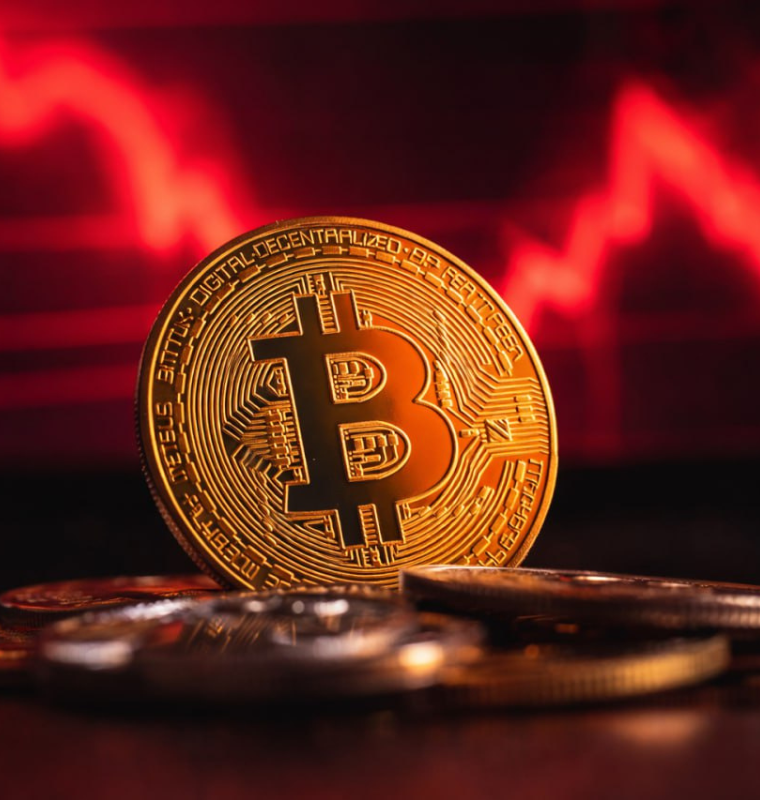
XRP Whale Wallets Reach Record High as Large Scale Accumulation Signals Market Confidence

XRP Whale Wallets Reach Record High as Large Scale Accumulation Signals Market Confidence
By
Rachel Steinberg
Last updated:
May 13, 2026
First Published:
May 13, 2026


Whale Activity Reaches Unprecedented Levels in XRP Market
The cryptocurrency market witnessed a notable development as large XRP holders increased their positions to record levels. These so called whale wallets, which typically represent high net worth individuals, funds, or institutional players, have shown a clear pattern of accumulation in recent weeks.
The rising concentration of holdings in large wallets has attracted attention because it often signals strategic positioning ahead of major market movements. In the case of XRP, this trend suggests that influential market participants may be anticipating significant future developments within the broader crypto ecosystem.
While retail traders often focus on short term price fluctuations, whale behavior is generally interpreted as a longer horizon signal. This divergence in strategy has become a defining feature of modern digital asset markets.
Market Observers Track Concentration of Holdings Closely
Analysts monitoring blockchain data have noted that the number of large XRP wallets has steadily increased. At the same time, existing large holders have expanded their positions rather than distributing their assets into the market.
This type of behavior is often associated with confidence in future price appreciation or upcoming ecosystem growth. However it can also reflect strategic repositioning by institutions preparing for anticipated market shifts.
The growing concentration raises important questions about liquidity conditions and the potential impact on future price volatility. When more supply is held by fewer participants, market movements can become more sensitive to large transactions.
XRP Ecosystem Continues to Attract Institutional Attention
The increased accumulation comes at a time when XRP continues to maintain relevance within global discussions around blockchain based payments. Its association with cross border settlement solutions has helped sustain long term interest from financial institutions.
Even though regulatory debates have influenced sentiment in past years, XRP remains one of the most widely recognized digital assets in the market. Its liquidity and established trading infrastructure make it attractive for large scale participants.
Institutional interest often focuses on assets that demonstrate both utility and market depth. XRP fits this profile due to its consistent trading volume and global exchange availability.
Whale Behavior Often Signals Strategic Positioning
Large holders typically do not make decisions based on short term price movements alone. Instead their actions are often guided by broader macroeconomic expectations, regulatory outlooks, or ecosystem developments.
The current accumulation trend suggests that some of the largest market participants may be positioning themselves ahead of potential catalysts. These could include regulatory clarity, increased adoption of blockchain payment systems, or broader improvements in global crypto market sentiment.
Such behavior does not guarantee future price increases, but it often indicates strong conviction among experienced market actors.
Retail Investors React With Mixed Sentiment
While whale accumulation is increasing, retail investor sentiment remains divided. Some traders interpret the trend as a bullish signal, believing that large holders may have access to superior market insights.
Others remain cautious, arguing that whale accumulation alone is not sufficient to predict sustained price growth. They point to historical periods where large holders accumulated before extended sideways market conditions.
This divergence highlights the ongoing complexity of interpreting blockchain based data. Unlike traditional markets, cryptocurrency transparency allows participants to observe wallet behavior directly, but interpretation still requires careful analysis.
Exchange Flows Provide Additional Context
Data from cryptocurrency exchanges shows fluctuating inflows and outflows of XRP across major trading platforms. Periods of withdrawal often indicate accumulation, as assets are moved into private storage rather than kept on exchanges for immediate trading.
At the same time, occasional spikes in deposits suggest that some holders continue to engage in active trading strategies. This balance between accumulation and liquidity reflects a market that is still highly dynamic.
The combination of whale wallet growth and variable exchange flows creates a complex picture that analysts are closely monitoring for future direction.
Market Volatility Remains a Key Factor
Despite the increase in large holder accumulation, XRP continues to experience price volatility consistent with the broader cryptocurrency market. External factors such as macroeconomic conditions, regulatory developments, and overall crypto sentiment still play a major role in price behavior.
Short term traders often react strongly to global financial news, which can temporarily override on chain accumulation signals. This creates frequent disconnects between long term positioning and short term price action.
As a result, analysts caution against interpreting whale activity as an immediate price predictor.
Long Term Outlook Focuses on Utility and Adoption
The long term narrative surrounding XRP continues to revolve around its potential role in global financial infrastructure. Supporters argue that blockchain based settlement systems could improve efficiency in international payments by reducing costs and transaction times.
If adoption continues to grow, large holders may benefit from early positioning in a network that becomes increasingly integrated into traditional finance systems.
However the pace of adoption remains dependent on regulatory clarity and institutional willingness to integrate blockchain solutions into existing systems.
Market Structure Shows Increasing Maturity
The behavior of whale wallets also reflects a broader trend of maturation within the cryptocurrency industry. Early market cycles were often dominated by speculative trading and short term speculation.
In contrast, current patterns suggest that some participants are taking longer term positions based on structural analysis of blockchain ecosystems. This shift is gradually changing how market cycles form and evolve.
The presence of large holders with extended time horizons may reduce extreme volatility over time, although crypto markets are still inherently unpredictable.
XRP Accumulation Raises Questions About Future Catalysts
The key question now facing analysts is what is driving the increased accumulation of XRP at this stage. Possible explanations include anticipation of regulatory developments, expectations of increased institutional adoption, or broader optimism about blockchain based payment networks.
While no single factor can fully explain the trend, the consistency of whale accumulation suggests coordinated confidence among major holders.
Market participants will continue monitoring on chain data closely in the coming weeks to determine whether this accumulation phase continues or begins to reverse.
The Market Awaits Confirmation From Price Action
Ultimately, the significance of whale wallet growth will depend on how market prices respond over time. If accumulation continues alongside upward price movement, confidence in a bullish long term trend will likely strengthen.
If however prices remain stagnant or decline despite increased whale holdings, analysts may reassess the interpretation of current on chain signals.
For now XRP remains at the center of attention as one of the most closely watched assets in the cryptocurrency market, with whale activity providing an important but not definitive signal of future direction.

Popular articles



Subscribe to unlock premium content
Imran Khan’s Economic Missteps Amid Political Chaos in Pakistan

The Philippines’ Digital Shift How Remittances and BPO Are Fueling Growth

Is the Era of Globalization Over or Just Evolving?
Imran Khan’s Economic Missteps Amid Political Chaos in Pakistan
The Philippines’ Digital Shift How Remittances and BPO Are Fueling Growth
Imran Khan’s Economic Missteps Amid Political Chaos in Pakistan