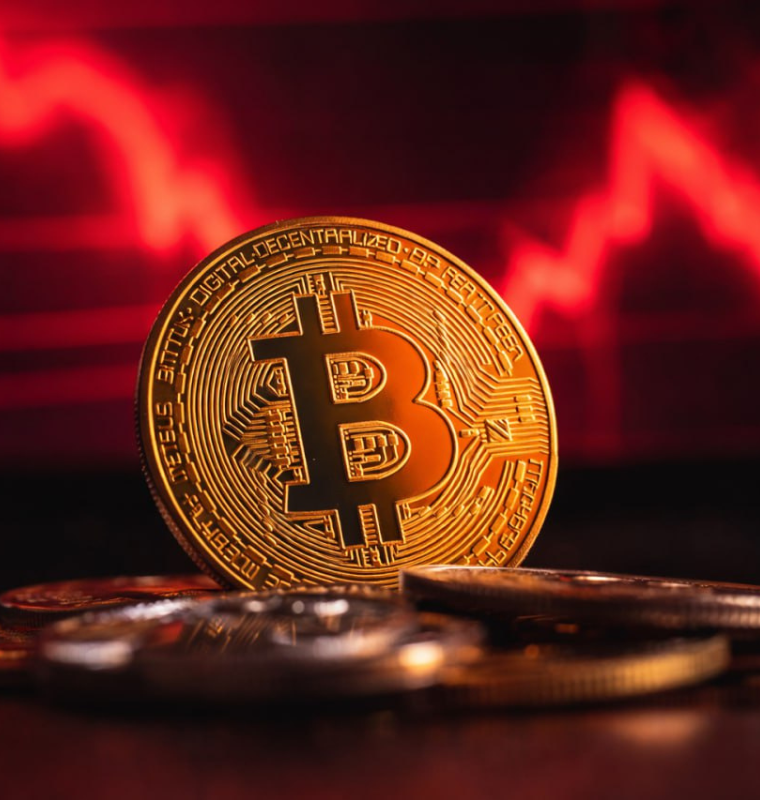
Moscow Exchange Launches XRP SOL and TRX Crypto Indexes for Institutional Investors

Moscow Exchange Launches XRP SOL and TRX Crypto Indexes for Institutional Investors
By
Leah Rosenfeld
Last updated:
May 13, 2026
First Published:
May 13, 2026


Moscow Exchange Enters a New Era of Digital Finance
The cryptocurrency industry experienced another major international development this week after the Moscow Exchange officially launched new crypto indexes tied to XRP, Solana, and Tron. The move signals a significant step forward in Russia’s growing involvement with digital asset markets and reflects the increasing integration between traditional financial institutions and blockchain based investments.
The announcement immediately attracted global attention because the Moscow Exchange remains one of the largest financial marketplaces in Eastern Europe. By introducing indexes connected to major cryptocurrencies, the exchange is acknowledging the growing importance of digital assets within modern financial systems.
For institutional investors, the launch creates new opportunities to monitor and potentially gain structured exposure to important segments of the cryptocurrency market without directly holding digital currencies themselves.
Understanding the Purpose of Crypto Indexes
Crypto indexes function similarly to traditional stock market indexes. They track the performance of selected digital assets and provide investors with a broader overview of market movements. Instead of focusing on a single cryptocurrency, indexes help institutions analyze sector trends and market behavior more efficiently.
The new Moscow Exchange indexes focus specifically on XRP, Solana, and Tron because each blockchain network represents a unique segment of the digital asset economy. XRP is widely associated with cross border payment systems, Solana has become a major decentralized application platform, and Tron continues expanding within entertainment and decentralized finance ecosystems.
By introducing these indexes, the Moscow Exchange aims to provide institutional grade market data and improve transparency for investors interested in blockchain assets.
Russia Accelerates Its Digital Asset Ambitions
The launch of these indexes highlights Russia’s growing interest in cryptocurrency related financial infrastructure. Over recent years the country has gradually explored ways to integrate blockchain technologies into broader economic and financial strategies.
Russian policymakers and financial institutions increasingly recognize the potential role of digital assets in global commerce, payments, and investment systems. While regulatory discussions surrounding cryptocurrency remain complex in many parts of the world, Russia appears determined to strengthen its position within the evolving digital economy.
The Moscow Exchange initiative demonstrates how traditional financial institutions are adapting to rising demand for blockchain related financial products. It also reflects broader efforts to modernize investment markets and attract institutional participation in digital finance.
Institutional Investors Drive Demand for Crypto Products
One of the biggest reasons behind the launch involves rising institutional interest in cryptocurrency exposure. Large investment firms are no longer treating digital assets as temporary speculative trends. Instead many institutions now view blockchain based markets as a permanent part of the global financial system.
Institutional investors often require structured products and regulated financial tools before allocating capital into emerging sectors. Crypto indexes provide a familiar framework that allows professional investors to analyze market performance while reducing some operational complexities associated with direct cryptocurrency ownership.
The introduction of XRP, Solana, and Tron indexes could therefore help attract more institutional research activity and potentially encourage broader investment participation across Russia’s financial sector.
XRP Gains Additional Institutional Recognition
Among the newly listed indexes, XRP attracted particular attention because of its long standing role within international payment discussions. XRP has frequently been promoted as a blockchain solution capable of improving transaction efficiency for cross border financial transfers.
The decision to include XRP within the Moscow Exchange product lineup reinforces the perception that the asset continues maintaining relevance despite years of legal and regulatory scrutiny in various jurisdictions.
Institutional investors often prioritize cryptocurrencies with strong liquidity, established market presence, and identifiable utility. XRP’s integration into financial payment discussions has helped preserve its visibility within the broader digital asset market.
The new index may further strengthen investor confidence by increasing institutional monitoring and financial market integration.
Solana Continues Expanding Its Global Influence
Solana’s inclusion in the Moscow Exchange initiative reflects the blockchain network’s rapid rise within decentralized finance and application development. Over the past few years Solana has become one of the most actively used blockchain ecosystems due to its fast transaction speeds and relatively low operational costs.
Developers continue building decentralized applications, gaming platforms, payment systems, and tokenized financial services on the Solana network. This growth has attracted increasing interest from both retail traders and institutional analysts.
The creation of a Solana index by a major traditional financial exchange demonstrates how blockchain infrastructure projects are gaining credibility within mainstream investment circles.
Many analysts believe Solana’s expanding ecosystem makes it one of the most closely watched blockchain platforms in the cryptocurrency industry today.
Tron Maintains Strong Position in Digital Transactions
Tron also secured a place within the new Moscow Exchange product lineup due to its growing role in digital transactions and decentralized applications. The blockchain network has developed a strong reputation for handling stablecoin transfers and supporting blockchain entertainment platforms.
Tron remains particularly active in regions where stablecoin usage continues growing rapidly. Its ability to process high transaction volumes at relatively low costs has helped maintain its importance within the global crypto economy.
By including Tron alongside XRP and Solana, the Moscow Exchange appears focused on representing multiple blockchain sectors rather than concentrating solely on speculative assets.
This diversified approach may help institutional investors better understand the different functions and use cases emerging across the cryptocurrency landscape.
Global Financial Markets Continue Adapting to Crypto
The launch of these indexes reflects a broader transformation taking place within global finance. Traditional exchanges and financial institutions are increasingly adapting their business models to accommodate growing interest in blockchain assets.
Just a few years ago many major financial platforms remained skeptical about cryptocurrency markets. Today numerous exchanges, banks, and investment firms actively explore digital asset products ranging from exchange traded funds to blockchain settlement systems.
The Moscow Exchange initiative highlights how rapidly the relationship between traditional finance and cryptocurrency continues evolving. Financial institutions now recognize that ignoring digital assets may create long term competitive disadvantages.
As a result blockchain related investment products are becoming increasingly common across multiple regions of the world.
Regulatory Questions Still Surround the Industry
Despite the optimism surrounding the launch, cryptocurrency markets continue facing regulatory uncertainty globally. Governments and financial regulators remain divided regarding how digital assets should be supervised and integrated into traditional financial systems.
Some policymakers support innovation and view blockchain as an opportunity to modernize finance. Others remain concerned about market volatility, investor protection, and financial crime risks associated with digital assets.
Russia itself continues balancing efforts to encourage blockchain development while maintaining oversight of financial markets. The launch of crypto indexes does not necessarily eliminate broader regulatory questions surrounding cryptocurrency trading and ownership.
However the initiative clearly demonstrates that traditional financial institutions increasingly believe digital assets will remain part of the future economic landscape.
The Future of Institutional Crypto Finance Continues Expanding
The Moscow Exchange decision to launch XRP, Solana, and Tron indexes may ultimately represent another important milestone in the institutionalization of cryptocurrency markets. As blockchain adoption continues expanding globally, more traditional financial entities are expected to develop products connected to digital assets.
Institutional investors now seek deeper exposure to blockchain innovation while demanding structured and regulated financial tools. Crypto indexes offer one pathway toward bridging the gap between traditional finance and decentralized technology.
The growing participation of major exchanges also adds credibility to the broader cryptocurrency industry. While volatility and regulatory uncertainty remain significant challenges, digital assets continue moving closer toward mainstream financial acceptance.
For now the launch of these indexes demonstrates that the relationship between cryptocurrency and traditional finance is no longer experimental. Instead it is rapidly becoming a permanent feature of the global investment landscape.

Popular articles



Subscribe to unlock premium content
Imran Khan’s Economic Missteps Amid Political Chaos in Pakistan
The Philippines’ Digital Shift How Remittances and BPO Are Fueling Growth

Is the Era of Globalization Over or Just Evolving?
Imran Khan’s Economic Missteps Amid Political Chaos in Pakistan
The Philippines’ Digital Shift How Remittances and BPO Are Fueling Growth
Imran Khan’s Economic Missteps Amid Political Chaos in Pakistan