
Crypto Market Sentiment Turns Cautious After Heavy Liquidations Sweep Derivatives Market

Crypto Market Sentiment Turns Cautious After Heavy Liquidations Sweep Derivatives Market
By
Augusta Parker
Last updated:
May 13, 2026
First Published:
May 13, 2026

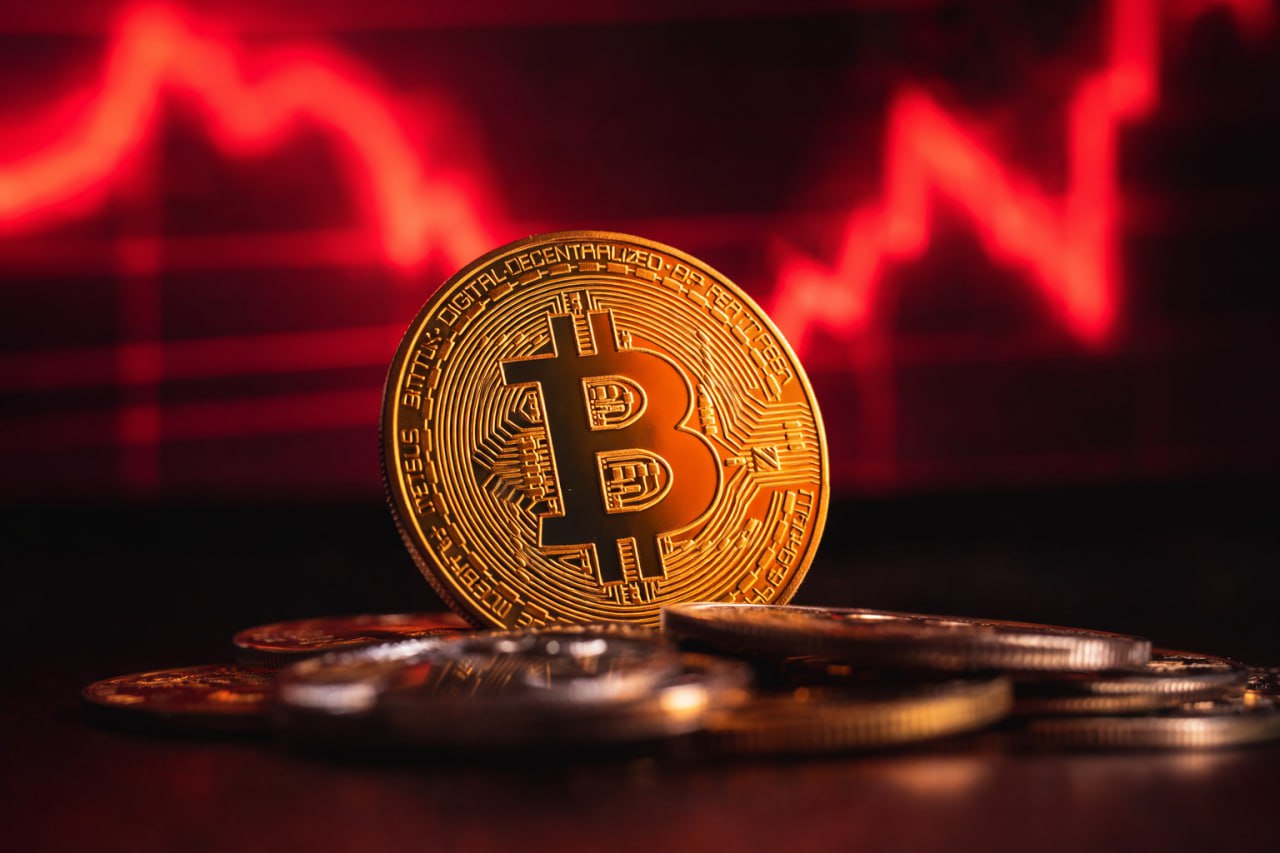
Photo: CoinMarketCap
Market Shock Follows Rapid Liquidation Event
Global cryptocurrency markets shifted into a cautious phase after more than 200 million dollars in leveraged positions were liquidated within a single 24 hour period. The event unfolded across major derivatives exchanges and quickly altered trader sentiment from moderate optimism to defensive positioning.
The liquidation wave affected both long and short positions, although long traders bore the majority of losses as prices moved sharply against overextended bets. The rapid unwinding of leverage created cascading sell pressure that temporarily intensified volatility across major digital assets including Bitcoin and Ethereum.
Derivatives Markets Drive Volatility Spike
The crypto derivatives sector played a central role in the recent market turbulence. High leverage trading, which allows participants to control larger positions with smaller capital, amplified both gains and losses during sudden price movements.
As prices fluctuated, automated liquidation systems on exchanges began closing positions to prevent further losses. This process contributed to additional selling pressure, creating a feedback loop that accelerated the overall market decline.
Such events are not uncommon in cryptocurrency markets, where liquidity conditions and leverage ratios often exceed those found in traditional financial systems.
Traders Shift Toward Defensive Strategies
In the aftermath of the liquidation event, many traders reduced exposure to high risk positions and shifted toward more conservative strategies. This included lowering leverage usage, increasing stablecoin allocations, and tightening stop loss levels.
Market participants expressed growing concern that volatility may remain elevated in the near term. As a result, short term trading activity slowed while longer term investors adopted a wait and see approach.
This shift in behavior reflects a broader pattern in crypto markets where sudden liquidation events often reset risk appetite across the trading ecosystem.
Bitcoin and Ethereum Face Temporary Pressure
The two largest cryptocurrencies by market capitalization experienced brief downward pressure during the liquidation cascade. Bitcoin showed relative resilience compared to smaller altcoins, but still registered noticeable intraday fluctuations.
Ethereum followed a similar pattern, with price movements driven more by overall market sentiment than by asset specific developments. Altcoins generally experienced sharper declines due to lower liquidity and higher volatility profiles.
Despite the turbulence, both assets managed to stabilize after the initial wave of forced selling subsided.
Altcoins Experience Disproportionate Impact
Smaller cryptocurrencies and mid cap tokens were among the most heavily affected during the liquidation cycle. These assets typically have thinner order books, which makes them more sensitive to sudden shifts in market pressure.
As leveraged positions were closed, many altcoins experienced rapid price drops followed by partial recoveries. This pattern highlighted the structural vulnerability of lower liquidity markets during periods of stress.
Traders often rotate out of altcoins during volatility spikes, preferring the relative stability of Bitcoin and Ethereum.
Institutional Activity Remains Measured
Institutional investors appeared largely unaffected by the short term volatility event. Many continue to operate with longer investment horizons and lower leverage exposure compared to retail traders.
Some institutions reportedly viewed the liquidation event as a routine market correction rather than a structural breakdown. This perspective is consistent with previous cycles where similar volatility spikes occurred without altering long term trends.
Their measured response helped prevent broader panic from spreading into spot markets.
Retail Sentiment Turns Defensive
Retail traders reacted more emotionally to the sudden market shift. Online discussions reflected increased caution, with many participants expressing uncertainty about near term direction.
Fear based sentiment indicators moved higher as traders reassessed risk exposure. Some participants exited leveraged positions entirely, while others paused trading activity to observe market stability.
This behavioral shift is typical following large liquidation events, where uncertainty temporarily dominates market psychology.
Exchange Risk Systems Come Under Scrutiny
Crypto exchanges once again faced scrutiny over their risk management systems and leverage offerings. Critics argue that high leverage availability contributes to market instability by amplifying liquidation cascades.
Exchanges, however, maintain that liquidation systems are necessary to ensure platform solvency and prevent negative balances. Some platforms may consider adjusting leverage limits or margin requirements following periods of extreme volatility.
The balance between market accessibility and systemic risk continues to be a central debate within the industry.
Liquidity Conditions Play a Key Role
Market analysts noted that liquidity depth played a significant role in the intensity of the liquidation event. When order books are thin, even moderate selling pressure can lead to exaggerated price movements.
During the recent episode, reduced liquidity at certain price levels contributed to faster declines and slower recoveries. This effect was particularly visible in altcoin markets where trading volume is more fragmented.
Liquidity dynamics remain one of the most important structural factors influencing crypto market behavior.
Short Term Outlook Remains Uncertain
The immediate outlook for cryptocurrency markets remains uncertain as traders reassess risk conditions. Some analysts believe the liquidation event has cleared excessive leverage from the system, potentially creating a more stable foundation for future price movements.
Others caution that volatility could persist if macroeconomic or regulatory developments add additional pressure. Market direction in the coming days will likely depend on whether buyers step in to absorb remaining supply.
Market Enters Observation Phase
Following the liquidation shock, the crypto market has entered what many analysts describe as an observation phase. Trading activity is still active but more cautious, with participants closely monitoring price stability and liquidity recovery.
The event serves as another reminder of the structural volatility inherent in digital asset markets, especially when high leverage is widely used. While long term sentiment remains intact for many investors, short term conditions continue to be driven by rapid shifts in positioning and risk appetite.
Popular articles



Subscribe to unlock premium content
Imran Khan’s Economic Missteps Amid Political Chaos in Pakistan

The Philippines’ Digital Shift How Remittances and BPO Are Fueling Growth

Is the Era of Globalization Over or Just Evolving?
Imran Khan’s Economic Missteps Amid Political Chaos in Pakistan
The Philippines’ Digital Shift How Remittances and BPO Are Fueling Growth
Imran Khan’s Economic Missteps Amid Political Chaos in Pakistan


