
Stablecoin Adoption Accelerates as Global Financial Institutions Deepen Crypto Integration

Stablecoin Adoption Accelerates as Global Financial Institutions Deepen Crypto Integration
By
Alina Sinclair
Last updated:
April 7, 2026
First Published:
April 7, 2026

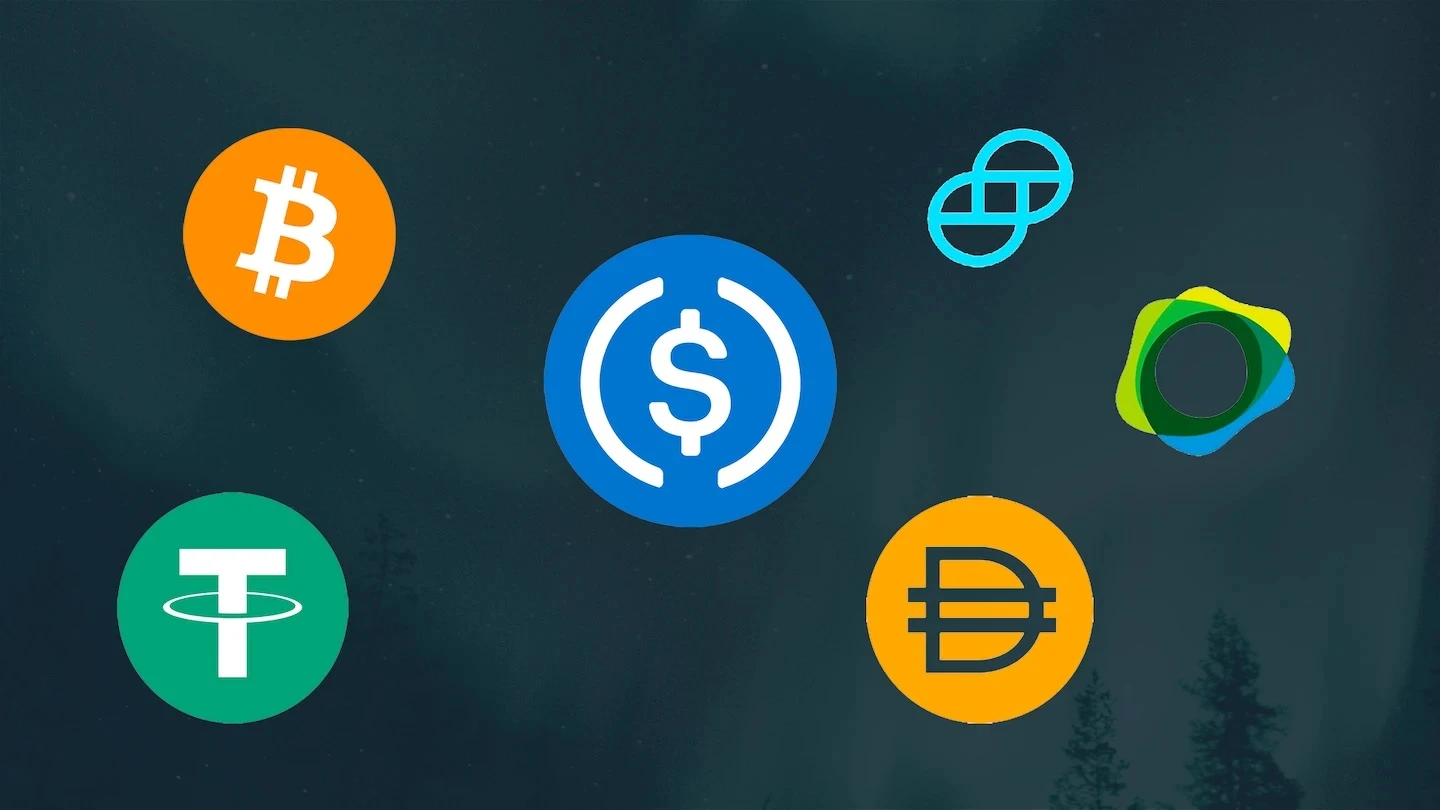
Two thousand twenty six marked continued momentum for stablecoins as adoption among global financial institutions accelerated. The trend reflects the growing role of these digital assets as a bridge between traditional finance and cryptocurrency markets. Stablecoins, which are digital tokens pegged to fiat currencies, have increasingly been used for trading, settlement, and treasury management, offering efficiency and speed that traditional payment systems cannot match.
Major banks and investment firms are expanding their stablecoin holdings to facilitate cross-border transactions and optimize liquidity management. By integrating stablecoins into their operations, these institutions are able to move capital quickly while maintaining exposure to digital financial infrastructure. This trend is driving both trading volumes and broader market acceptance, signaling that stablecoins are becoming an essential component of institutional strategies.
Corporate treasury departments have also taken notice, using stablecoins as part of working capital management and international payments. The appeal lies in the ability to bypass slower banking processes, reduce settlement costs, and access blockchain-based transparency for audit and compliance purposes. These developments indicate that stablecoins are not only tools for speculation but are becoming functional instruments for everyday financial operations.
The surge in adoption has been supported by improvements in stablecoin technology and regulatory clarity. Issuers are increasingly implementing robust compliance measures, transparency reporting, and collateralization frameworks to ensure stability and regulatory alignment. These enhancements help institutions mitigate risk while enabling seamless integration with existing financial systems.
Trading activity involving stablecoins has seen substantial growth. Many exchanges report that stablecoins now account for a significant portion of trading pairs, facilitating liquidity across Bitcoin, Ethereum, and a wide range of altcoins. This growth not only benefits traders by reducing slippage and transaction costs but also strengthens the overall resilience and depth of the cryptocurrency market.
The rise in stablecoin adoption is also influencing the decentralized finance ecosystem. Lending and borrowing platforms increasingly rely on stablecoins as a core medium of exchange, allowing users to access loans or earn interest without being exposed to the volatility of traditional cryptocurrencies. This integration underscores the pivotal role stablecoins play in enabling functional and scalable financial applications on blockchain networks.
Institutional investors are leveraging stablecoins for risk management. By holding assets in stablecoins, firms can quickly adjust market exposure, rebalance portfolios, or move funds between exchanges without incurring the delays and fees associated with fiat transfers. The operational flexibility provided by these tokens enhances market efficiency and strengthens confidence among professional participants.
Geopolitical and macroeconomic factors have further accelerated stablecoin adoption. In regions where local currencies are volatile or access to banking infrastructure is limited, stablecoins provide a reliable alternative for preserving value and conducting transactions. This utility highlights how stablecoins are bridging gaps between different financial ecosystems while providing practical solutions for both corporate and individual users.
Despite rapid growth, the stablecoin market faces ongoing scrutiny from regulators concerned with systemic risk and consumer protection. Issuers are under pressure to maintain transparency, ensure sufficient reserves, and adhere to anti-money laundering requirements. Compliance with these expectations is critical to sustaining institutional participation and maintaining public trust in stablecoins as a credible financial instrument.
In conclusion, April eighth, two thousand twenty six reflects the continuing institutional embrace of stablecoins, driven by operational efficiency, liquidity management, and technological innovation. As global financial firms deepen integration with the cryptocurrency market, stablecoins are cementing their role as a foundational component of modern finance. This trend not only supports market liquidity and adoption but also positions these digital assets as essential tools for bridging traditional and digital financial systems.

Popular articles



Subscribe to unlock premium content
Disney’s Timeless Magic and How the Entertainment Giant Continues to Shape Culture and Innovation

Imran Khan’s Economic Missteps Amid Political Chaos in Pakistan

The Philippines’ Digital Shift How Remittances and BPO Are Fueling Growth

Disney’s Timeless Magic and How the Entertainment Giant Continues to Shape Culture and Innovation
Imran Khan’s Economic Missteps Amid Political Chaos in Pakistan
Disney’s Timeless Magic and How the Entertainment Giant Continues to Shape Culture and Innovation