Crypto Market Sentiment Remains Fragile as Traders React to Oil Prices and Global Conflict Signals

Crypto Market Sentiment Remains Fragile as Traders React to Oil Prices and Global Conflict Signals
By
Leah Rosenfeld
Last updated:
April 7, 2026
First Published:
April 7, 2026


Photo: CoinMarketCap
Global cryptocurrency markets exhibited persistent fragility as traders responded to fluctuations in oil prices and ongoing geopolitical tensions. Bitcoin, Ethereum, and major altcoins experienced intermittent volatility throughout the trading day, reflecting the sensitivity of digital assets to external macroeconomic and political factors. This pattern underscores the increasingly interconnected nature of cryptocurrency markets with broader financial and commodity markets.
Oil prices, which have been rising in response to supply uncertainties in key producing regions, have added pressure to risk sentiment across global markets. Higher energy costs affect investor confidence and can trigger shifts in capital allocation. For the cryptocurrency sector, this often results in temporary sell-offs or cautious trading as investors reassess their exposure to speculative assets. The reaction highlights how digital currencies, while decentralized, are not insulated from macroeconomic trends.
Geopolitical signals also played a role in shaping sentiment. Recent developments in various international hotspots have prompted market participants to adopt a risk-averse posture, reducing speculative positions and focusing on defensive strategies. Cryptocurrency trading volumes reflected these behavioral changes, showing periods of heightened activity during news-driven events followed by consolidation as uncertainty persisted.
Institutional traders and hedge funds appeared particularly cautious. Some firms temporarily scaled back exposure to high-volatility assets, while others used the market fluctuations as opportunities for tactical rebalancing. This mixed approach contributed to uneven price action across both Bitcoin and altcoins, emphasizing that professional participants continue to integrate macroeconomic analysis into cryptocurrency investment strategies.
Retail sentiment mirrored these cautious institutional behaviours. Social media channels and trading forums showed heightened discussion around geopolitical and commodity developments, with many users debating entry points and risk management. The psychological impact of global uncertainty appears to influence retail decision-making, demonstrating the role of collective sentiment in driving short-term market movements.
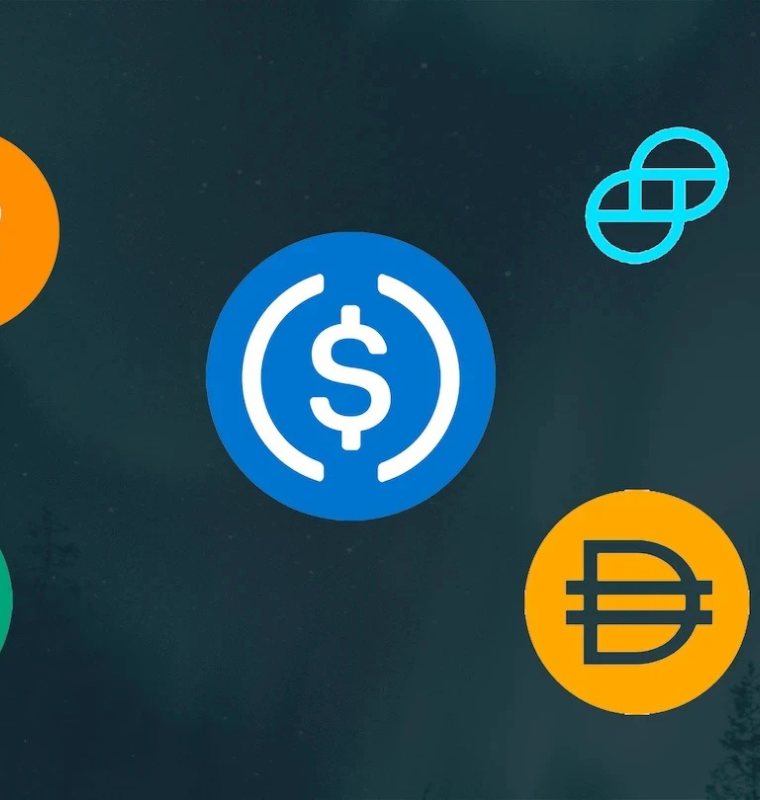
Stablecoins have emerged as a preferred vehicle for mitigating exposure during volatile periods. Traders increasingly move funds into fiat-pegged digital assets when uncertainty peaks, preserving capital while remaining positioned to reenter risk assets once sentiment stabilizes. This behavior reinforces the growing importance of stablecoins in liquidity management and risk mitigation within the crypto ecosystem.
Technical analysis indicated that key support and resistance levels for Bitcoin and major altcoins were tested multiple times during the day. Price fluctuations within these ranges suggest that traders are cautious, using short-term technical signals to guide decisions amidst broader uncertainty. These dynamics contribute to both intraday volatility and market consolidation patterns.
Market analysts noted that correlations between cryptocurrency prices and traditional assets, including equities and commodities, were particularly evident on April eighth. This correlation reflects the growing influence of global macroeconomic factors on crypto market behavior, signaling that participants increasingly treat digital assets as part of a broader investment portfolio rather than isolated speculative instruments.
Despite the fragility, some positive indicators emerged. The ability of the market to absorb shocks without dramatic crashes suggests a maturing ecosystem with deeper liquidity and more sophisticated risk management practices. These features indicate that while sentiment remains sensitive, the infrastructure and participation in cryptocurrency markets are improving.
In conclusion, April eighth, two thousand twenty six highlights the ongoing sensitivity of cryptocurrency markets to external factors such as oil prices and geopolitical developments. Traders, both institutional and retail, are actively adjusting positions in response to these signals, creating volatility and shaping sentiment. The day underscores the continued integration of cryptocurrencies into the global financial ecosystem, where macroeconomic indicators and risk perception play a critical role in market dynamics.
Popular articles



Subscribe to unlock premium content
Disney’s Timeless Magic and How the Entertainment Giant Continues to Shape Culture and Innovation

Imran Khan’s Economic Missteps Amid Political Chaos in Pakistan

The Philippines’ Digital Shift How Remittances and BPO Are Fueling Growth

Disney’s Timeless Magic and How the Entertainment Giant Continues to Shape Culture and Innovation
Imran Khan’s Economic Missteps Amid Political Chaos in Pakistan
Disney’s Timeless Magic and How the Entertainment Giant Continues to Shape Culture and Innovation