Major Crypto Hack Forces Drift Protocol to Suspend Services After 280 Million Dollar Exploit

Major Crypto Hack Forces Drift Protocol to Suspend Services After 280 Million Dollar Exploit
By
Leah Rosenfeld
Last updated:
April 7, 2026
First Published:
April 25, 2026

.jpg)
Photo: Bloomberg News
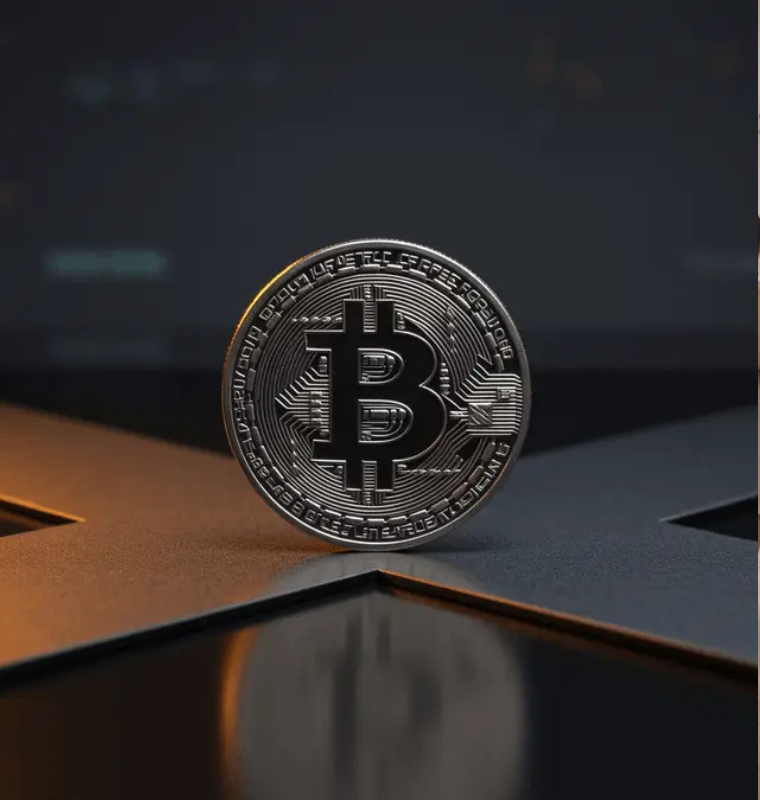
Two thousand twenty six saw significant disruption in the cryptocurrency sector as Drift Protocol, a decentralized finance platform, announced the suspension of all services following a massive security breach. Reports indicate that the exploit resulted in the theft of approximately two hundred and eighty million dollars worth of digital assets, marking one of the largest DeFi hacks of the year. The incident has sent shockwaves through the community, emphasizing the persistent security risks within blockchain networks and the importance of robust safeguards.
The attack on Drift Protocol reportedly exploited vulnerabilities in the platform’s smart contract architecture. Although the precise technical details are still being analyzed, initial reports suggest that the hacker was able to manipulate liquidity pools and bypass existing safeguards. The speed and scale of the exploit have prompted immediate responses from the development team and partner firms, highlighting the critical need for proactive security audits and continuous monitoring in decentralized environments.
Following the announcement, the cryptocurrency market reacted with heightened caution. Tokens associated with Drift Protocol experienced sharp declines, while other DeFi tokens faced secondary pressure as investors reassessed exposure to platforms with similar risk profiles. The broader market witnessed increased volatility, reflecting investor sensitivity to security incidents that can undermine confidence in decentralized applications.
Security experts have noted that incidents such as the Drift Protocol hack underscore a fundamental tension within DeFi: the tradeoff between innovation and security. While decentralized platforms offer unique opportunities for financial inclusion, programmable assets, and new economic models, they also expose participants to potential vulnerabilities that centralized systems may mitigate through oversight and regulatory frameworks.
The Drift Protocol team has initiated emergency measures, including freezing assets where possible and collaborating with blockchain forensics firms to trace stolen funds. Communication with users has emphasized the temporary suspension of withdrawals and other critical functions to prevent further loss. The response illustrates the delicate balance that platforms must strike between transparency and rapid crisis management during high-stakes incidents.
Community reactions have been swift, with social media discussions and forum activity reflecting both concern and calls for systemic improvements. Many users have voiced the need for more rigorous testing of smart contracts, improved multi-signature governance structures, and insurance mechanisms to protect against similar attacks. The incident has reignited broader debates about the maturity and safety of the decentralized finance ecosystem.
Insurance and risk mitigation solutions are increasingly relevant in this context. Platforms that offer coverage for smart contract exploits or third-party custodial failures may see higher demand as incidents like Drift Protocol’s breach highlight exposure. These developments are likely to influence both investor decision-making and the evolution of industry standards in the months ahead.
In addition to technical and financial implications, the hack carries reputational consequences. Drift Protocol must now navigate the challenge of restoring user trust, maintaining liquidity, and reassuring partners that the platform can operate securely moving forward. The incident serves as a case study in crisis management within the rapidly evolving blockchain space.
Regulators and policymakers are also monitoring the situation. Security breaches of this magnitude reinforce the ongoing discussion about the need for clear guidelines, oversight, and consumer protection measures in decentralized finance. While DeFi is inherently borderless and autonomous, incidents that lead to large financial losses draw attention from authorities seeking to establish safeguards.
Overall, the Drift Protocol exploit on April eighth underscores the dual nature of innovation and risk in the cryptocurrency industry. While decentralized finance continues to grow and attract participants, the importance of robust security practices, crisis preparedness, and investor education cannot be overstated. The incident is likely to influence the trajectory of DeFi governance, technological safeguards, and market sentiment in the near future.

Popular articles



Subscribe to unlock premium content
Ripple and Bitso Expand Partnership as RLUSD Stablecoin Ecosystem Gains Momentum

Bybit Introduces Tokenized SpaceX IPO Shares in Landmark Real World Asset Initiative

Crypto Tax Debate Intensifies in Washington Over Mining and Staking Rewards
Ripple and Bitso Expand Partnership as RLUSD Stablecoin Ecosystem Gains Momentum
Bybit Introduces Tokenized SpaceX IPO Shares in Landmark Real World Asset Initiative
Ripple and Bitso Expand Partnership as RLUSD Stablecoin Ecosystem Gains Momentum