
XRP Ledger Activates Major fixCleanup3_1_3 Upgrade Aimed at Improving Network Performance and Efficiency

XRP Ledger Activates Major fixCleanup3_1_3 Upgrade Aimed at Improving Network Performance and Efficiency
By
Leah Rosenfeld
Last updated:
May 26, 2026
First Published:
May 26, 2026

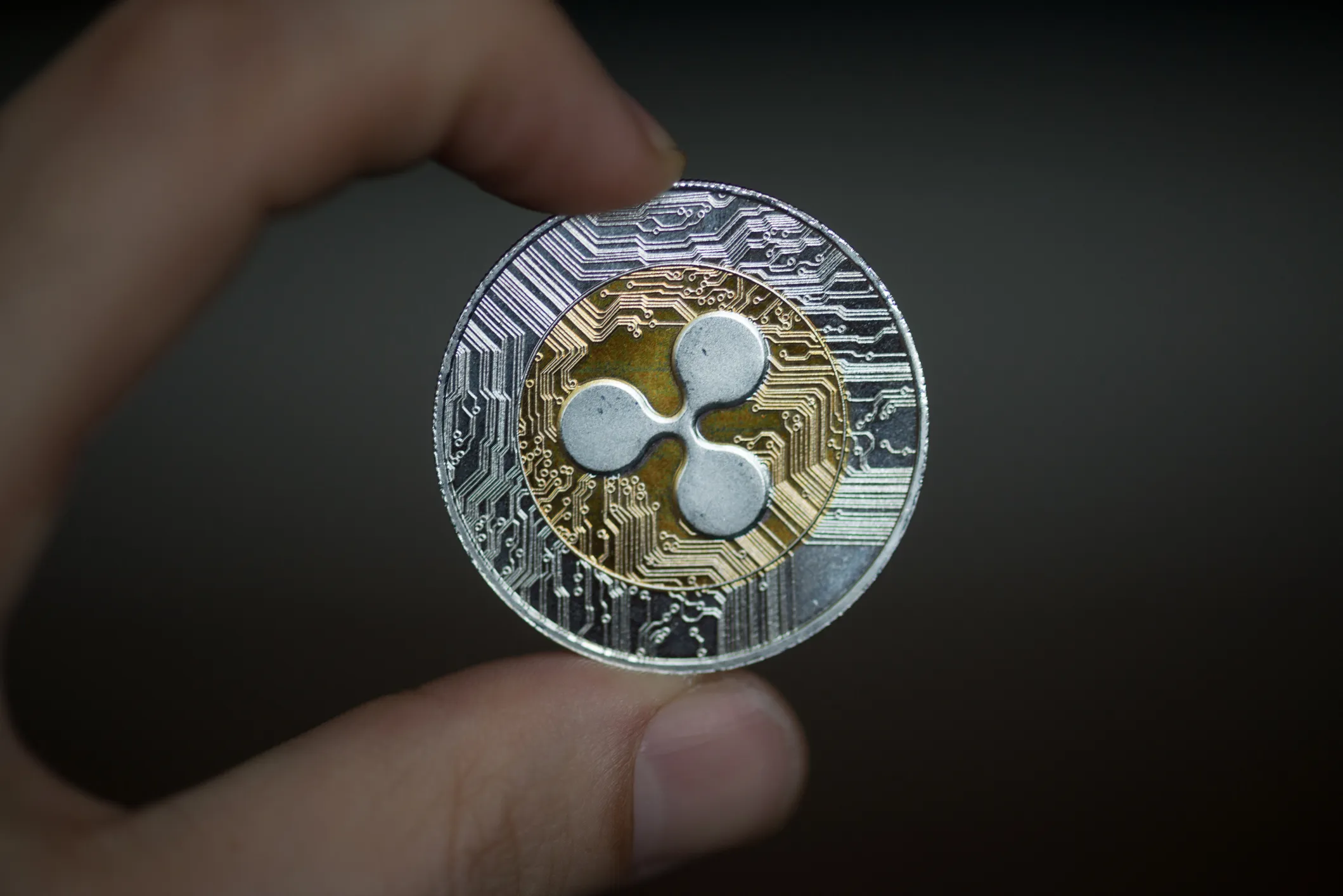
Photo: CryptoRank
The XRP Ledger has entered a new stage of development following the activation of the highly anticipated fixCleanup3_1_3 upgrade. The update represents another important step in the ongoing evolution of one of the digital asset industry's most established blockchain networks. While market attention often focuses on token prices and trading activity, technological upgrades such as this play a crucial role in determining the long term sustainability, efficiency, and competitiveness of blockchain ecosystems.
The activation of the upgrade demonstrates the XRP Ledger community's commitment to continuous improvement. As blockchain technology matures and competition intensifies among networks seeking developers, enterprises, and users, infrastructure improvements have become increasingly important. Every optimization contributes to the broader goal of creating faster, more reliable, and more scalable digital financial systems.
For developers, businesses, and investors monitoring the XRP ecosystem, the latest upgrade signals that technical innovation remains a core priority.
Understanding the Importance of Blockchain Upgrades
Blockchain networks are not static technologies. Much like traditional software platforms, they require regular updates to improve functionality, address inefficiencies, enhance security, and support future development.
As networks grow and transaction volumes increase, maintaining performance becomes a complex challenge. Developers must continually identify areas where improvements can be made while ensuring that upgrades do not disrupt existing operations.
The fixCleanup3_1_3 upgrade reflects this ongoing process. Rather than introducing dramatic changes visible to everyday users, the update focuses on refining internal mechanisms that help the network operate more efficiently behind the scenes.
Such upgrades may not generate the same excitement as major product launches, but they often provide the foundation for future innovation and growth.
Why Network Efficiency Matters More Than Ever
The blockchain industry has evolved significantly over the past decade. Early blockchain projects primarily focused on proving that decentralized systems could function effectively. Today, the challenge is no longer simply demonstrating feasibility. The challenge is delivering performance at a scale capable of supporting global adoption.
Users expect transactions to be completed quickly and reliably. Businesses require predictable network performance. Developers need infrastructure capable of handling increasingly sophisticated applications.
Network efficiency directly influences all of these factors. Even small improvements in processing, validation, and resource management can produce meaningful benefits across an entire ecosystem.
As blockchain adoption expands, the ability to maintain high performance becomes a critical competitive advantage.
The XRP Ledger's Long History of Innovation
The XRP Ledger occupies a unique position within the cryptocurrency industry. It predates many of today's most popular blockchain networks and has consistently focused on facilitating efficient value transfer.
Unlike some blockchain projects that prioritize complex smart contract ecosystems, the XRP Ledger was designed with speed, low transaction costs, and financial utility in mind. This specialized approach has attracted interest from payment providers, financial institutions, and businesses seeking practical blockchain solutions.
Over the years, the network has undergone numerous upgrades and enhancements. Each improvement contributes to a broader effort to maintain relevance within a rapidly evolving industry.
The latest update continues this tradition by refining network operations while supporting future development opportunities.
How Technical Improvements Benefit Users
Although many blockchain upgrades are highly technical, their impact often extends directly to users. Improved efficiency can lead to smoother transaction processing, enhanced reliability, and a better overall experience.
When network resources are utilized more effectively, systems can handle greater demand without sacrificing performance. This becomes especially important during periods of heightened activity when transaction volumes increase significantly.
Businesses building on the XRP Ledger also benefit from improved infrastructure. Greater efficiency can reduce operational challenges and provide a stronger foundation for developing new services and applications.
Over time, these cumulative improvements contribute to a more robust ecosystem capable of attracting additional participants.
Competition in the Blockchain Industry Continues to Intensify
The cryptocurrency sector has become increasingly competitive as hundreds of blockchain networks compete for users, developers, and investment capital. Every project seeks to differentiate itself through technology, ecosystem growth, security, or specialized functionality.
In this environment, continuous development is essential. Networks that fail to evolve risk losing relevance as newer platforms introduce innovative features and improved performance.
The activation of the fixCleanup3_1_3 upgrade demonstrates that the XRP Ledger remains committed to maintaining technological competitiveness. By refining its infrastructure, the network strengthens its ability to compete within an increasingly crowded marketplace.
Such efforts are particularly important as enterprises evaluate blockchain platforms for real world applications.
Developer Communities Drive Long Term Success
Behind every successful blockchain network is an active community of developers working to improve the platform. Technical upgrades require extensive planning, testing, collaboration, and review before they can be safely implemented.
The successful activation of the latest upgrade highlights the strength of the XRP Ledger development ecosystem. It reflects the contributions of engineers, validators, researchers, and community participants who work together to maintain network stability and performance.
Developer engagement is often one of the strongest indicators of a blockchain project's long term viability. Networks that continue attracting technical talent are generally better positioned to adapt to changing industry requirements.
The ongoing commitment to development suggests that the XRP ecosystem remains focused on long term growth rather than short term market trends.
Enterprise Adoption Remains a Key Focus
One of the defining characteristics of the XRP Ledger has been its focus on enterprise use cases. Financial institutions and payment providers require infrastructure that is dependable, efficient, and capable of operating at scale.
Technical upgrades help support these requirements by improving the underlying reliability of the network. Businesses considering blockchain adoption often evaluate factors such as performance consistency, transaction speed, operational stability, and long term development plans.
The latest improvements strengthen the network's position as a platform designed for practical financial applications. As enterprises continue exploring blockchain technology, infrastructure quality will remain a decisive factor in adoption decisions.
This makes ongoing optimization efforts particularly valuable.
Market Reactions Often Differ From Technological Progress
An interesting aspect of blockchain development is that market reactions do not always align with technological achievements. Significant upgrades can occur without producing immediate price movements, while market sentiment may be driven by unrelated factors.
This disconnect highlights the difference between technological value and short term trading behavior. Investors focused on long term fundamentals often pay close attention to development activity because infrastructure improvements can influence future adoption potential.
The activation of the fixCleanup3_1_3 upgrade serves as a reminder that blockchain ecosystems continue evolving regardless of daily market fluctuations.
For long term observers, sustained development activity often provides valuable insight into a project's future prospects.
The Broader Trend Toward Blockchain Optimization
The XRP Ledger is not alone in pursuing efficiency improvements. Across the cryptocurrency industry, blockchain networks are investing heavily in optimization efforts aimed at increasing scalability, reducing costs, and improving user experiences.
As adoption expands, the ability to process transactions efficiently becomes increasingly important. Networks that successfully enhance performance while maintaining security and decentralization may gain significant advantages in attracting users and developers.
The latest upgrade reflects this broader industry trend toward infrastructure refinement and operational excellence.
Rather than focusing solely on expansion, many blockchain projects are prioritizing the quality and reliability of their existing systems.
Looking Ahead to the Future of the XRP Ledger
The activation of fixCleanup3_1_3 is unlikely to be the final major upgrade for the XRP Ledger. Blockchain technology continues to evolve rapidly, creating new opportunities for innovation and improvement.
Future development efforts may focus on additional performance enhancements, expanded functionality, improved interoperability, and new capabilities designed to support emerging use cases.
As the digital asset industry matures, networks that consistently invest in technological advancement are likely to remain competitive. Continuous improvement enables blockchain platforms to adapt to changing market demands and technological expectations.
For the XRP Ledger, the latest upgrade represents another step forward in a long journey of development and refinement.
The activation of the fixCleanup3_1_3 upgrade marks an important milestone for the XRP Ledger and its broader ecosystem. While the update may not dramatically alter user experiences overnight, its focus on improving network performance and efficiency reinforces the platform's commitment to long term technological excellence.
In an increasingly competitive blockchain industry, infrastructure quality has become a critical differentiator. By continuing to optimize its systems, the XRP Ledger strengthens its position as a mature and evolving blockchain network capable of supporting real world financial applications.
As developers, businesses, and investors look toward the future, ongoing technical progress will remain one of the most important factors shaping the network's growth and relevance within the global cryptocurrency landscape.

Popular articles


Subscribe to unlock premium content
Imran Khan’s Economic Missteps Amid Political Chaos in Pakistan

The Philippines’ Digital Shift How Remittances and BPO Are Fueling Growth

Is the Era of Globalization Over or Just Evolving?
Imran Khan’s Economic Missteps Amid Political Chaos in Pakistan
The Philippines’ Digital Shift How Remittances and BPO Are Fueling Growth
Imran Khan’s Economic Missteps Amid Political Chaos in Pakistan