Bitcoin Volatility Falls to Nine Month Low as Cryptocurrency Markets Enter Period of Consolidation

Bitcoin Volatility Falls to Nine Month Low as Cryptocurrency Markets Enter Period of Consolidation
By
Augusta Parker
Last updated:
May 26, 2026
First Published:
May 26, 2026

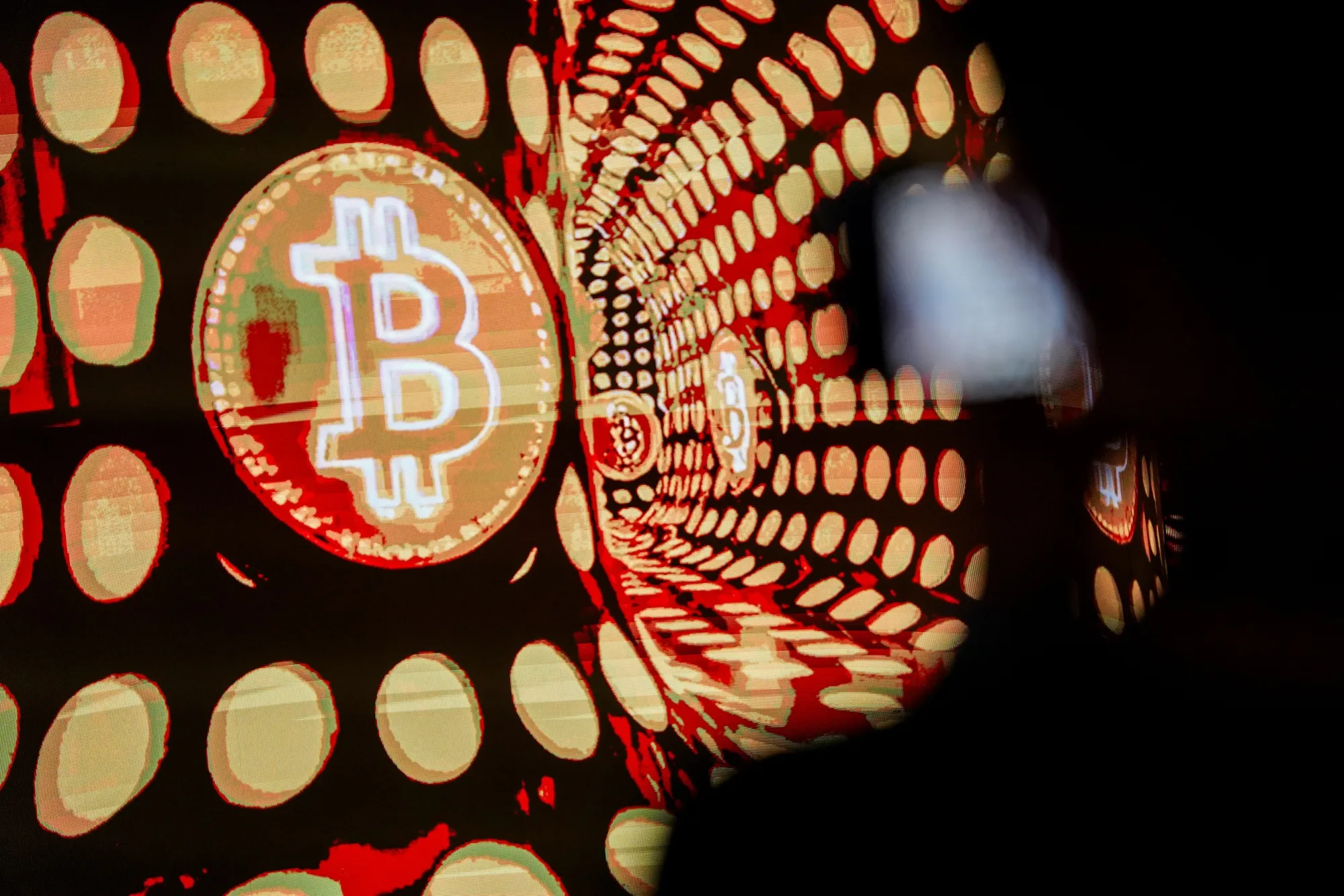
Photo: Bloomberg.com
The cryptocurrency market is experiencing a rare period of stability as Bitcoin volatility declines to its lowest level in nine months. After years of dramatic price swings that defined the digital asset landscape, the world's largest cryptocurrency is now trading within a relatively narrow range, prompting analysts and investors to closely examine what this shift could mean for the next phase of market development.
For many participants, Bitcoin's reputation has long been tied to extreme volatility. Sharp rallies and sudden corrections have been common features of the asset's history. However, the latest market conditions suggest that investors may be entering a new stage characterized by consolidation, patience, and a more measured approach to risk.
While some traders view reduced volatility as a temporary pause before a major market move, others see it as evidence that the cryptocurrency industry is gradually maturing and becoming more integrated into the broader financial system.
Understanding Volatility in the Cryptocurrency Market
Volatility refers to the degree of price movement an asset experiences over a specific period. High volatility means prices fluctuate significantly, while low volatility indicates greater stability and smaller price changes.
Bitcoin has historically been among the most volatile major financial assets. Rapid shifts in sentiment, regulatory developments, macroeconomic events, institutional investment activity, and technological innovations have often triggered substantial price movements.
These fluctuations have attracted both speculative traders and long term investors. Traders seek opportunities to profit from large market swings, while investors focus on Bitcoin's potential as a long term store of value.
The recent decline in volatility suggests that market participants are currently adopting a more cautious and balanced approach.
Why Bitcoin Volatility Is Falling
Several factors may be contributing to the current period of reduced market activity. One important reason is the growing participation of institutional investors who typically approach markets with longer investment horizons and more structured risk management strategies.
Unlike retail traders who may react quickly to short term news events, institutions often make decisions based on broader economic trends and portfolio objectives. Their presence can help reduce some of the extreme fluctuations that were common during earlier stages of cryptocurrency adoption.
Additionally, many investors appear to be waiting for clearer signals regarding interest rates, economic growth, and future regulatory developments before making major allocation decisions.
This combination of patience and uncertainty has contributed to the current consolidation phase.
Consolidation Often Precedes Major Market Moves
Market consolidation occurs when an asset trades within a relatively stable range following a period of significant movement. During these phases, buyers and sellers gradually establish a new balance while awaiting catalysts that could influence future direction.
Historically, periods of low volatility have often preceded substantial market moves in both traditional finance and cryptocurrency markets. The reason is relatively simple. As volatility declines, market tension gradually builds until new information or changing conditions encourage participants to take decisive action.
Many traders are therefore closely monitoring current market conditions. While no one can predict the exact timing or direction of future movements, periods of extended stability often attract considerable attention because they may signal that larger changes are approaching.
Institutional Adoption Continues to Shape Market Behavior
The increasing involvement of institutional investors remains one of the most important trends affecting Bitcoin's evolution. Large asset managers, hedge funds, pension funds, and publicly traded companies have gradually become more active participants within the digital asset sector.
This institutional presence has altered market dynamics in several ways. Capital flows are often larger and more strategic. Investment decisions tend to focus on long term value rather than short term speculation. Risk management practices are generally more sophisticated.
As a result, Bitcoin is increasingly behaving like a mature financial asset rather than a purely speculative instrument.
The current period of reduced volatility may reflect the growing influence of these institutional participants.
The Relationship Between Bitcoin and Traditional Markets
Bitcoin's development over the past several years has revealed a closer relationship with traditional financial markets than many early enthusiasts expected.
Macroeconomic factors such as inflation expectations, central bank policies, bond yields, and global economic growth now influence cryptocurrency markets alongside blockchain specific developments.
As traditional investors allocate capital to digital assets, Bitcoin becomes more integrated into broader portfolio strategies. This integration can sometimes reduce volatility because investment decisions are increasingly based on economic analysis rather than emotional reactions.
The current consolidation period highlights how interconnected financial markets have become.
Retail Investors Take a More Patient Approach
Retail investors also appear to be adopting a more disciplined outlook during the current market cycle. Previous bull markets often generated intense speculation fueled by rapid price appreciation and widespread excitement.
Today's environment is noticeably different. Many participants are focusing on long term accumulation strategies rather than chasing short term price movements.
Educational resources, improved market infrastructure, and greater industry maturity have contributed to this shift. Investors are becoming more informed about risk management and portfolio diversification, which can help moderate extreme market behavior.
This growing sophistication among market participants may be one reason why volatility has declined.
Regulatory Clarity Supports Market Stability
Another factor supporting lower volatility is the gradual improvement in regulatory clarity across major jurisdictions. While cryptocurrency regulation remains a work in progress, governments and regulators have become increasingly active in defining rules for digital asset businesses.
Clearer regulations reduce uncertainty and help institutional investors participate with greater confidence. When market participants have a better understanding of legal and operational requirements, sudden reactions to regulatory headlines may become less frequent.
The ongoing development of regulatory frameworks is therefore contributing to a more structured and predictable market environment.
Although challenges remain, progress in this area continues to support industry maturation.
What Low Volatility Means for Traders
For active traders, periods of reduced volatility can be both frustrating and exciting. On one hand, smaller price movements often create fewer short term trading opportunities. On the other hand, consolidation phases frequently attract attention because they may precede significant market breakouts.
Professional traders often monitor volatility indicators closely during these periods. They seek evidence that market momentum is beginning to build in one direction or another.
While low volatility does not guarantee a future rally or decline, it often serves as a reminder that markets rarely remain quiet indefinitely.
The current environment has therefore become a focal point for traders attempting to anticipate the next major trend.
Long Term Investors See Signs of Maturity
Many long term investors interpret declining volatility as a positive development. Extreme price swings have historically been one of the primary criticisms directed at Bitcoin and the broader cryptocurrency industry.
Greater stability can improve Bitcoin's appeal to institutions, corporations, and conservative investors who may have previously viewed the asset as too risky.
Lower volatility also supports broader adoption by making digital assets easier to integrate into traditional investment portfolios.
From this perspective, the current consolidation period may represent progress rather than stagnation.
Could a New Market Cycle Be Emerging?
The cryptocurrency industry has experienced multiple market cycles throughout its history. Periods of rapid growth have often been followed by corrections, consolidation, and eventual recovery.
Some analysts believe the current environment may represent the foundation of a new cycle. Rather than being driven primarily by speculative enthusiasm, future growth could increasingly be supported by institutional participation, technological innovation, and expanding real world use cases.
If this scenario unfolds, Bitcoin's role within global finance could continue evolving in significant ways.
The decline in volatility may therefore be more than a temporary market condition. It could reflect deeper structural changes taking place across the digital asset ecosystem.
Bitcoin's volatility falling to a nine month low marks an important moment for the cryptocurrency market. After years of dramatic price fluctuations, the current period of consolidation highlights the growing maturity of digital assets and the increasing influence of institutional investors, regulatory developments, and long term investment strategies.
While traders continue searching for clues regarding the market's next major move, many investors view the decline in volatility as a sign that Bitcoin is gradually evolving into a more established financial asset.
Whether this period ultimately leads to a major breakout, further consolidation, or the beginning of a new market cycle remains uncertain. What is clear, however, is that the cryptocurrency industry continues to develop in ways that increasingly resemble the broader financial world.
As the market enters this calmer phase, investors around the globe will be watching closely to see what comes next for Bitcoin and the future of digital assets.
Popular articles



Subscribe to unlock premium content
Imran Khan’s Economic Missteps Amid Political Chaos in Pakistan

The Philippines’ Digital Shift How Remittances and BPO Are Fueling Growth

Is the Era of Globalization Over or Just Evolving?
Imran Khan’s Economic Missteps Amid Political Chaos in Pakistan
The Philippines’ Digital Shift How Remittances and BPO Are Fueling Growth
Imran Khan’s Economic Missteps Amid Political Chaos in Pakistan