US Treasury Pushes Congress to Pass Major Crypto Regulation Bill

US Treasury Pushes Congress to Pass Major Crypto Regulation Bill
By
Augusta Parker
Last updated:
April 13, 2026
First Published:
April 25, 2026

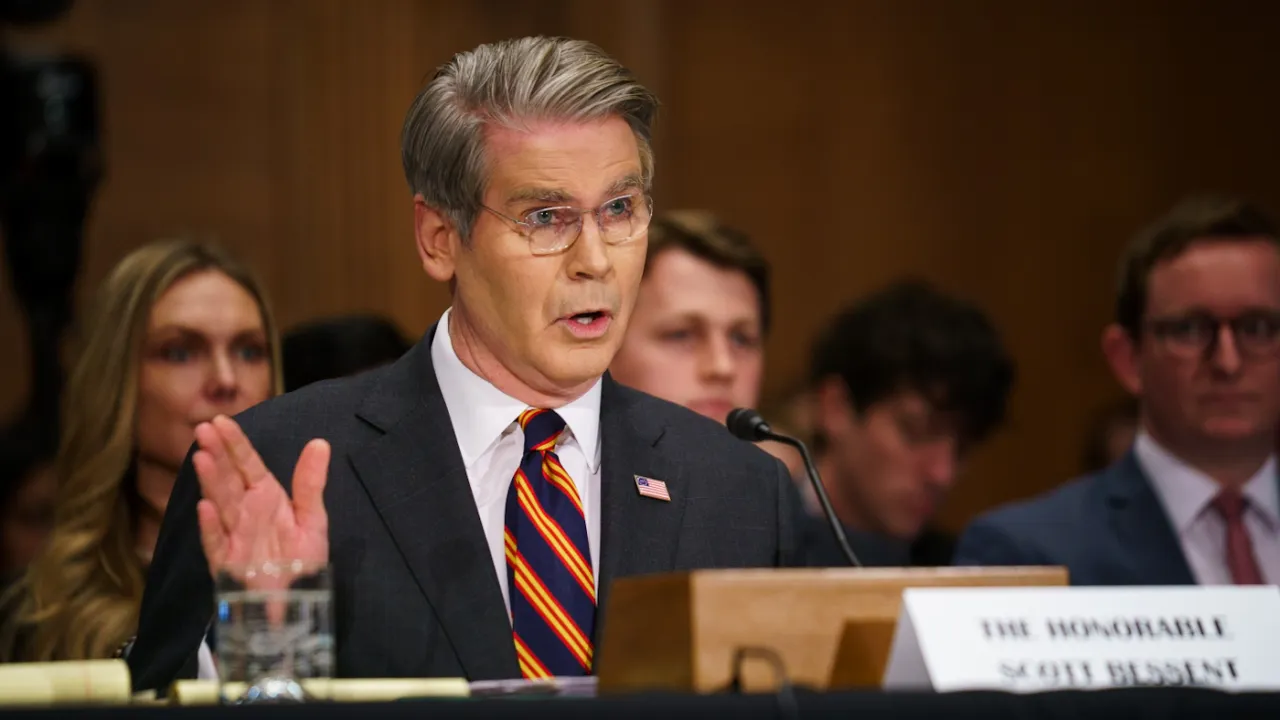
Photo: The Hill
The cryptocurrency industry in the United States is approaching a defining moment as the Treasury Department intensifies its efforts to push Congress toward passing a comprehensive crypto regulation bill. This development signals a major shift in how digital assets are perceived at the highest levels of government, moving from a loosely monitored space toward a structured and clearly governed financial sector.
The urgency behind this push stems from the rapid expansion of the crypto market over the past decade. What began as a niche technological experiment has evolved into a multi trillion dollar ecosystem that includes exchanges, decentralized finance platforms, and tokenized assets. Regulators are now under increasing pressure to establish rules that can both support innovation and protect investors.
One of the central concerns driving this initiative is the lack of a unified regulatory framework. Currently, different agencies oversee various aspects of the crypto market, often leading to overlapping responsibilities and confusion among businesses. The proposed legislation aims to streamline these responsibilities, providing clarity on which institutions have authority over specific areas of the industry.
Investor protection is a key pillar of the proposed regulation. Authorities are particularly focused on ensuring transparency in trading practices, safeguarding customer funds, and reducing the risk of fraud. High profile incidents in recent years have highlighted vulnerabilities within the crypto space, reinforcing the need for stronger oversight and accountability.
Another major objective of the bill is to address financial stability risks. As cryptocurrencies become more integrated into traditional financial systems, their potential impact on the broader economy increases. Regulators are seeking to establish safeguards that can prevent systemic disruptions while allowing the market to continue evolving.
The legislation is also expected to include clear guidelines for crypto exchanges and service providers. These entities would be required to comply with standardized reporting and operational practices, bringing them closer to the regulatory norms followed by traditional financial institutions. Such measures are intended to build trust among users and attract more institutional participation.
Innovation remains a central consideration in the regulatory discussion. Policymakers are aware that overly restrictive rules could stifle technological advancement and drive companies to relocate to more crypto friendly jurisdictions. As a result, the proposed framework aims to strike a balance between control and flexibility, ensuring that the United States remains competitive in the global digital economy.
Industry leaders are actively engaging with lawmakers to shape the outcome of the bill. Many companies are advocating for regulations that provide clarity without imposing excessive burdens. Their involvement reflects a growing recognition that well designed rules can actually support long term growth by reducing uncertainty and fostering a more stable environment.
The global context is also influencing the urgency of this initiative. Other countries are moving forward with their own regulatory frameworks, creating a competitive landscape where clarity and efficiency can attract investment. The United States risks falling behind if it fails to establish a cohesive approach to crypto regulation.
Market reactions to the proposed bill have been mixed. Some investors view it as a positive step toward legitimacy and mainstream adoption, while others are concerned about potential restrictions. This divergence in opinion highlights the complex nature of regulation in a rapidly evolving industry.
The role of stablecoins and decentralized finance platforms is expected to be a significant focus within the legislation. These sectors have grown rapidly and present unique challenges for regulators due to their decentralized nature. Addressing these complexities will be crucial for creating a comprehensive framework.
Looking ahead, the outcome of this legislative push could shape the future of the cryptocurrency industry for years to come. A well structured regulatory environment has the potential to unlock new levels of growth, while a poorly designed one could hinder progress and innovation.
In conclusion, the Treasury’s push for a major crypto regulation bill represents a critical turning point for the industry. As Congress deliberates on the proposed measures, the decisions made in the coming months will define how digital assets are integrated into the financial system, influencing everything from market stability to technological advancement.

Popular articles



Subscribe to unlock premium content
Ripple and Bitso Expand Partnership as RLUSD Stablecoin Ecosystem Gains Momentum

Bybit Introduces Tokenized SpaceX IPO Shares in Landmark Real World Asset Initiative

Crypto Tax Debate Intensifies in Washington Over Mining and Staking Rewards
Ripple and Bitso Expand Partnership as RLUSD Stablecoin Ecosystem Gains Momentum
Bybit Introduces Tokenized SpaceX IPO Shares in Landmark Real World Asset Initiative
Ripple and Bitso Expand Partnership as RLUSD Stablecoin Ecosystem Gains Momentum