Crypto Market Sentiment Drops to Extreme Fear as Bitcoin Tests Key Support

Crypto Market Sentiment Drops to Extreme Fear as Bitcoin Tests Key Support
By
Alina Sinclair
Last updated:
April 13, 2026
First Published:
April 13, 2026

Getty Images
The cryptocurrency market is currently gripped by a wave of anxiety as sentiment indicators fall into the extreme fear zone. Bitcoin, the leading digital asset, is now testing crucial support levels, creating a tense environment for traders and investors. This phase reflects a sharp shift in market psychology, where caution and uncertainty are dominating decision making.
Market sentiment plays a powerful role in shaping price movements, and the current atmosphere of fear is having a direct impact on trading behavior. When investors become risk averse, selling pressure tends to increase, pushing prices lower. This cycle can become self reinforcing, as falling prices further amplify fear, leading to additional selling.
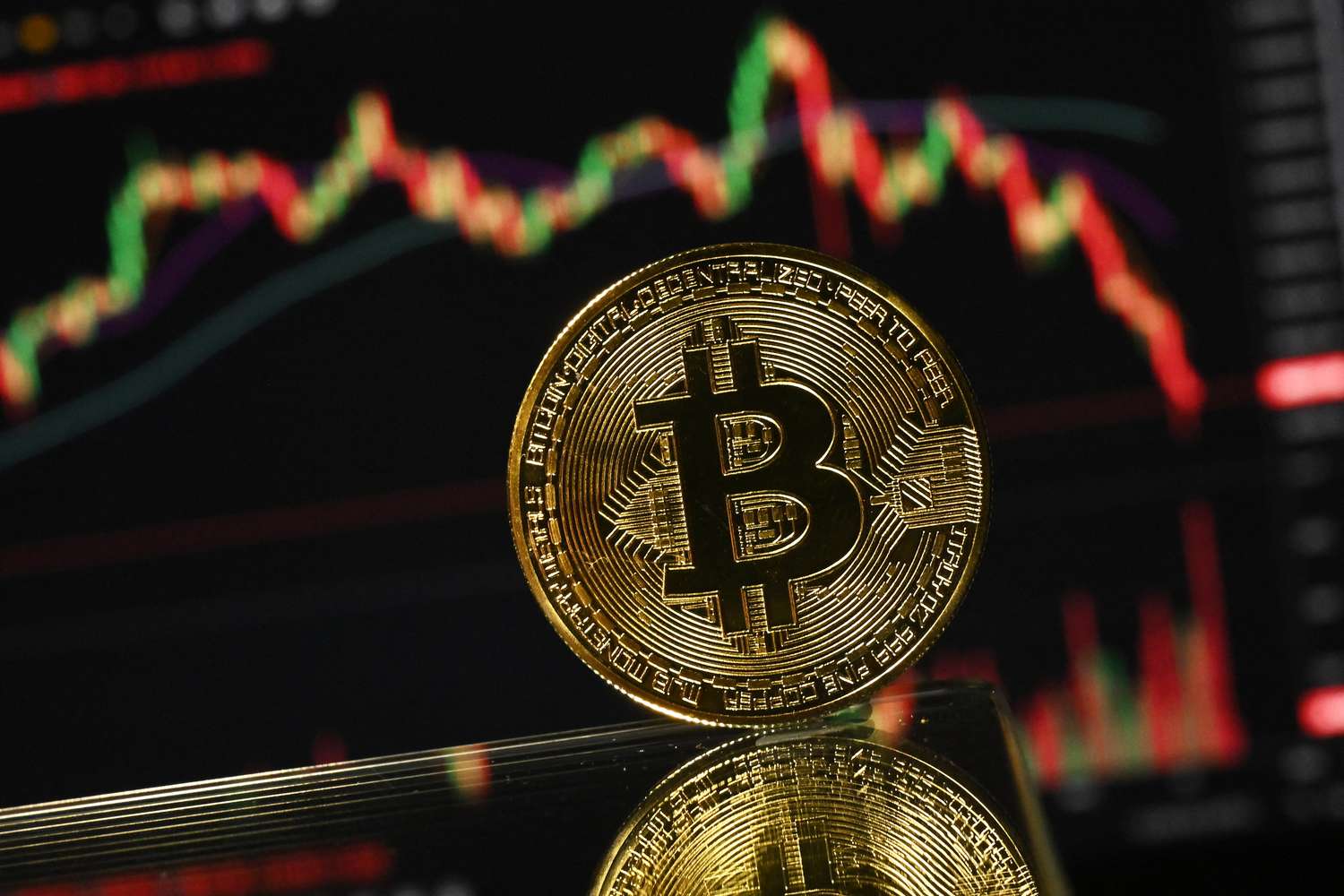
Bitcoin’s position near key support levels is particularly significant. These levels are often viewed as psychological and technical boundaries where buying interest may emerge. If the support holds, it could signal a potential stabilization point. However, a breakdown below these levels could trigger a deeper correction, intensifying market concerns.
The concept of extreme fear is often measured using sentiment indices that analyze factors such as volatility, trading volume, and social media activity. Current readings suggest that investors are highly cautious, with many choosing to reduce exposure rather than take on additional risk. This defensive stance is contributing to reduced market liquidity.
Institutional investors are approaching the situation with calculated strategies. Rather than reacting emotionally, they are closely monitoring price action and waiting for clear signals before making significant moves. For these players, periods of extreme fear can present opportunities to accumulate assets at lower prices, provided that long term fundamentals remain intact.
Retail investors, in contrast, are more susceptible to emotional decision making. The fear of further losses can lead to panic selling, especially among those who entered the market during recent highs. This behavior can accelerate downward momentum, creating sharper price declines in a short period.
Another factor influencing sentiment is the broader economic environment. Uncertainty in global financial markets, combined with shifting interest rate expectations, is affecting how investors perceive risk. Cryptocurrencies, being relatively volatile assets, are particularly sensitive to these external pressures.
Technical analysis is playing a key role in guiding market participants during this phase. Traders are closely watching support and resistance levels, as well as indicators such as moving averages and volume trends. These tools help in identifying potential reversal points, although their effectiveness can be limited in highly emotional markets.
Despite the prevailing fear, some analysts argue that such conditions are a natural part of market cycles. Extreme fear often occurs near local bottoms, where selling pressure begins to exhaust itself. Historically, these periods have sometimes been followed by recoveries as confidence gradually returns.
Long term investors are maintaining a different perspective. Rather than focusing on short term price movements, they are evaluating the underlying fundamentals of the cryptocurrency ecosystem. Continued development in blockchain technology and growing adoption rates provide a basis for optimism, even during periods of market stress.
The role of media and public perception cannot be overlooked in shaping sentiment. Negative headlines and bearish predictions can amplify fear, influencing investor behavior on a large scale. Conversely, positive developments have the potential to quickly shift sentiment in the opposite direction.
Liquidity conditions are also a concern during periods of extreme fear. Reduced trading activity can lead to larger price swings, as fewer participants are available to absorb buying or selling pressure. This can increase volatility, making the market more unpredictable.
Looking ahead, the key question is whether Bitcoin can hold its current support levels. A successful defense of these levels could restore some confidence and pave the way for a recovery. On the other hand, a breakdown could lead to further declines, reinforcing the current bearish sentiment.
In conclusion, the cryptocurrency market is navigating a challenging phase marked by extreme fear and heightened uncertainty. Bitcoin’s test of key support levels is a critical moment that could determine the market’s near term direction. While risks remain elevated, such periods also highlight the cyclical nature of the market and the potential for future recovery once stability is regained.

Popular articles



Subscribe to unlock premium content
Disney’s Timeless Magic and How the Entertainment Giant Continues to Shape Culture and Innovation

Imran Khan’s Economic Missteps Amid Political Chaos in Pakistan

The Philippines’ Digital Shift How Remittances and BPO Are Fueling Growth

Disney’s Timeless Magic and How the Entertainment Giant Continues to Shape Culture and Innovation
Imran Khan’s Economic Missteps Amid Political Chaos in Pakistan
Disney’s Timeless Magic and How the Entertainment Giant Continues to Shape Culture and Innovation