
UK Moves to Ban Cryptocurrency Donations in Political Funding Reform

UK Moves to Ban Cryptocurrency Donations in Political Funding Reform
By
Alina Sinclair
Last updated:
March 31, 2026
First Published:
April 25, 2026


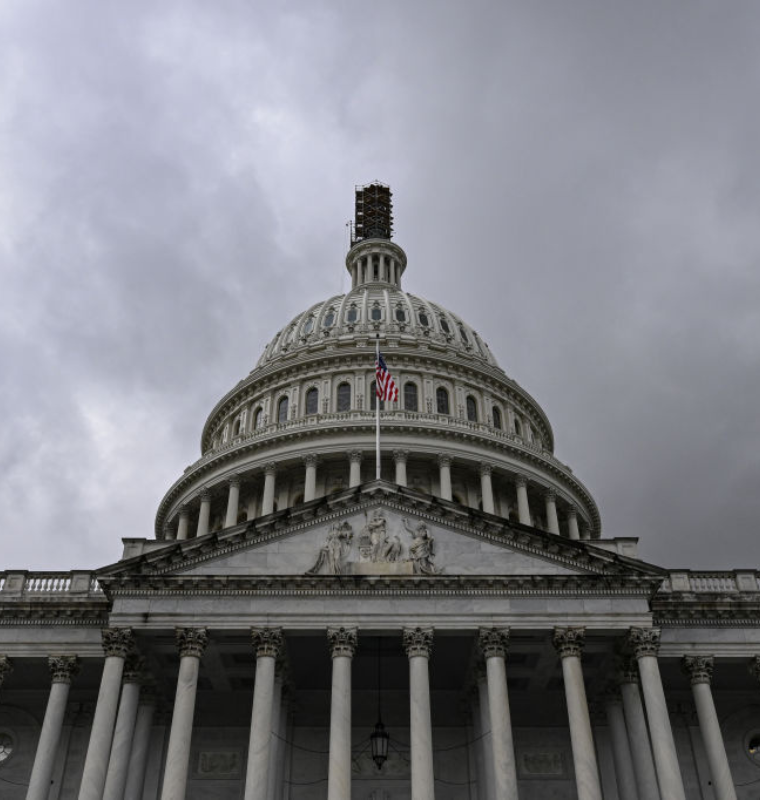
Photo: The Observer
A New Era of Political Finance Regulation
The United Kingdom has announced a decisive move to ban cryptocurrency donations to political parties, signaling a significant shift in the regulation of digital assets within political financing. This step reflects growing concerns about the potential for foreign influence and untraceable contributions in an era where cryptocurrencies have become more mainstream and accessible.
Concerns Over Transparency and Security
Cryptocurrencies offer a level of anonymity and cross border convenience that traditional financial systems do not. While this can provide privacy for ordinary transactions, it raises concerns when used in political contexts. Lawmakers worry that the opaque nature of crypto donations could enable foreign actors or undisclosed entities to influence domestic politics, challenging democratic processes.
Scope of the Ban and Implementation
The legislation will make it illegal for political parties to accept donations in the form of digital currencies. This includes direct contributions in Bitcoin Ethereum and other widely used tokens. The reform also extends to associated services such as cryptocurrency exchanges, requiring them to ensure compliance with political donation regulations and maintain thorough record keeping.
Implications for Political Parties
Political parties that had begun experimenting with accepting cryptocurrency contributions will need to adapt their fundraising strategies. Campaigns may face short term disruption as they transition to traditional channels, but the move is expected to strengthen accountability and reduce risks associated with untraceable funding. Parties will likely explore new avenues for transparency and donor verification.
Impact on the Crypto Industry
While the ban is specific to political donations, it may have broader implications for the cryptocurrency industry. Regulatory restrictions highlight the growing scrutiny of digital assets and reinforce the need for compliance frameworks. Companies operating in the UK will need to consider legal obligations carefully when facilitating transactions related to politics.
Public Reaction and Debate
Public opinion is mixed, with some applauding the government for protecting democratic integrity and others questioning whether the ban stifles innovation or civic engagement. Supporters argue that safeguarding elections and reducing the potential for illicit influence outweighs the novelty of using digital currencies in political contributions.
Global Context and Comparative Approaches
The UK’s approach mirrors growing international concern over the use of cryptocurrencies in political contexts. Countries around the world are evaluating similar regulations to prevent illicit funding while maintaining technological innovation. This trend suggests that cryptocurrency governance is increasingly integrated into broader legal and ethical frameworks.
Challenges in Enforcement and Compliance
Implementing and enforcing the ban will require vigilance and collaboration between regulatory authorities, political entities, and crypto platforms. Monitoring digital transactions across borders presents technical and legal challenges, but authorities are prioritizing mechanisms to ensure compliance and prevent circumvention of the new rules.
Long Term Implications for Crypto and Politics
The ban underscores the tension between innovation and regulation. While cryptocurrencies continue to expand their role in finance and commerce, their integration into political systems remains contentious. The UK’s measures may set a precedent for balancing digital innovation with public accountability and democratic safeguards.
A Step Toward Responsible Digital Asset Management
Overall, the prohibition of cryptocurrency donations in political financing represents a proactive approach to managing emerging risks. It reflects the growing recognition that while digital assets offer unique advantages, their use in sensitive contexts such as politics requires careful regulation to maintain transparency and public trust.

Popular articles



Subscribe to unlock premium content
Ripple and Bitso Expand Partnership as RLUSD Stablecoin Ecosystem Gains Momentum

Bybit Introduces Tokenized SpaceX IPO Shares in Landmark Real World Asset Initiative

Crypto Tax Debate Intensifies in Washington Over Mining and Staking Rewards
Ripple and Bitso Expand Partnership as RLUSD Stablecoin Ecosystem Gains Momentum
Bybit Introduces Tokenized SpaceX IPO Shares in Landmark Real World Asset Initiative
Ripple and Bitso Expand Partnership as RLUSD Stablecoin Ecosystem Gains Momentum