
Stablecoin Policy Debate Intensifies as Banks and Crypto Firms Clash Over Interest Payments

Stablecoin Policy Debate Intensifies as Banks and Crypto Firms Clash Over Interest Payments
By
Augusta Parker
Last updated:
March 31, 2026
First Published:
April 25, 2026

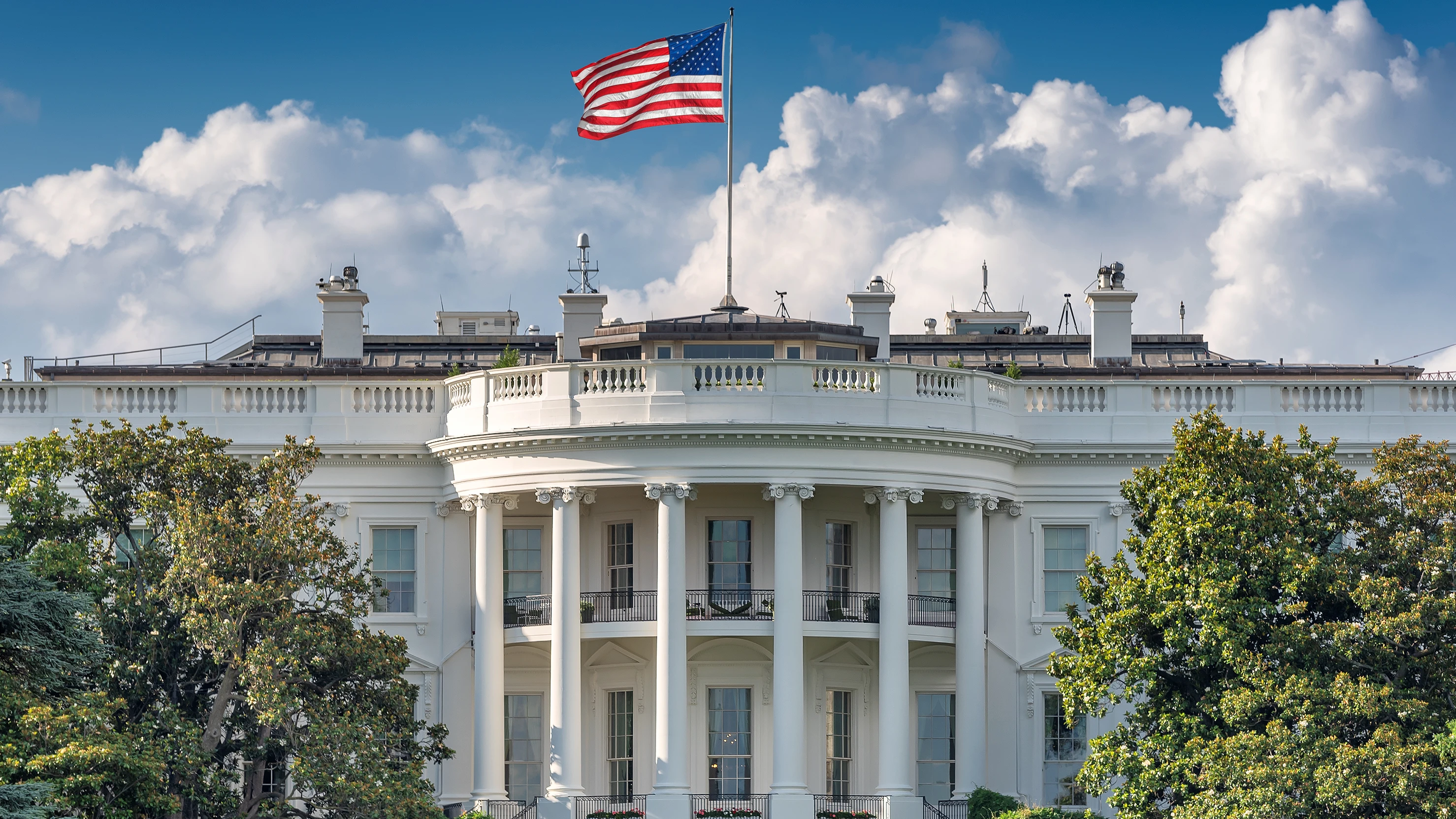
A Growing Divide in the Crypto Ecosystem
The stablecoin sector is facing increased scrutiny as regulators, banks, and cryptocurrency firms clash over interest payments and compliance standards. Stablecoins, which are designed to maintain a consistent value relative to fiat currencies, have become central to the digital finance ecosystem. However, their rapid growth has highlighted tensions between traditional financial institutions and emerging crypto service providers.
The Role of Stablecoins in Modern Finance
Stablecoins are used widely for trading, payments, and cross border transfers due to their ability to provide liquidity while minimizing volatility. Their popularity has grown alongside the rise of decentralized finance, with users relying on them to navigate cryptocurrency markets efficiently. As adoption increases, regulatory focus on the operational and financial practices of stablecoin issuers has intensified.
Interest Payments and Regulatory Concerns
A primary point of contention is the payment of interest on stablecoin holdings. Banks argue that offering yields on digital assets without the same oversight as traditional deposits could pose systemic risks. Regulators are evaluating whether such practices require licensing or adherence to financial standards designed to protect consumers and maintain market stability.
Crypto Firms Defend Innovation and Competitiveness
Cryptocurrency companies contend that interest payments are essential to attracting users and maintaining competitiveness with conventional financial products. They emphasize that transparent disclosures and responsible management of reserves can mitigate risks while fostering innovation. The industry argues that overly restrictive rules could stifle growth and drive users to less regulated markets.
Potential Impact on Users and Investors
For end users, this debate could affect access to interest bearing stablecoins and reshape expectations about returns on digital assets. Investors are closely monitoring regulatory developments, as changes could influence both liquidity and the overall attractiveness of stablecoins as an alternative financial instrument.
Banks Push for Stricter Oversight
Traditional banks and financial associations advocate for uniform standards to govern stablecoin activities. They stress that ensuring reserve adequacy, operational transparency, and compliance with consumer protection laws is critical to preventing disruptions. Their influence in shaping policy discussions is significant, given their longstanding role in global finance.
Regulators Navigate a Complex Landscape
Policy makers face a delicate balance between encouraging innovation and protecting market participants. Overly aggressive regulation could inhibit technological progress, while insufficient oversight may increase systemic risk. Regulatory frameworks are expected to evolve iteratively as authorities assess real world impacts and emerging industry practices.
Global Implications of the Debate
The stablecoin discussion in the United Kingdom and the United States is being closely observed worldwide. Countries considering their own digital currency regulations are likely to take cues from these debates, which may influence global standards for interest payments, reserve management, and consumer protections in the stablecoin space.
Technological Innovation Amid Policy Pressure
Despite regulatory tension, stablecoin issuers continue to innovate. New platforms are exploring transparent reserve tracking, enhanced audit mechanisms, and integration with decentralized finance protocols. These advancements aim to reconcile regulatory expectations with user demand for flexible and profitable digital financial products.
Looking Ahead in the Stablecoin Sector
As the debate continues, the stablecoin market is entering a phase of maturation. Clear rules regarding interest payments, reserve requirements, and compliance standards will be essential for sustainable growth. Industry participants and regulators alike must collaborate to create frameworks that protect consumers, maintain stability, and allow innovation to flourish in the digital financial ecosystem.

Popular articles



Subscribe to unlock premium content
Ripple and Bitso Expand Partnership as RLUSD Stablecoin Ecosystem Gains Momentum
Bybit Introduces Tokenized SpaceX IPO Shares in Landmark Real World Asset Initiative

Crypto Tax Debate Intensifies in Washington Over Mining and Staking Rewards
Ripple and Bitso Expand Partnership as RLUSD Stablecoin Ecosystem Gains Momentum
Bybit Introduces Tokenized SpaceX IPO Shares in Landmark Real World Asset Initiative
Ripple and Bitso Expand Partnership as RLUSD Stablecoin Ecosystem Gains Momentum