Trump Media Expands Bitcoin Holdings With Another $205 Million Purchase

Trump Media Expands Bitcoin Holdings With Another $205 Million Purchase
By
Alina Sinclair
Last updated:
May 22, 2026
First Published:
May 22, 2026

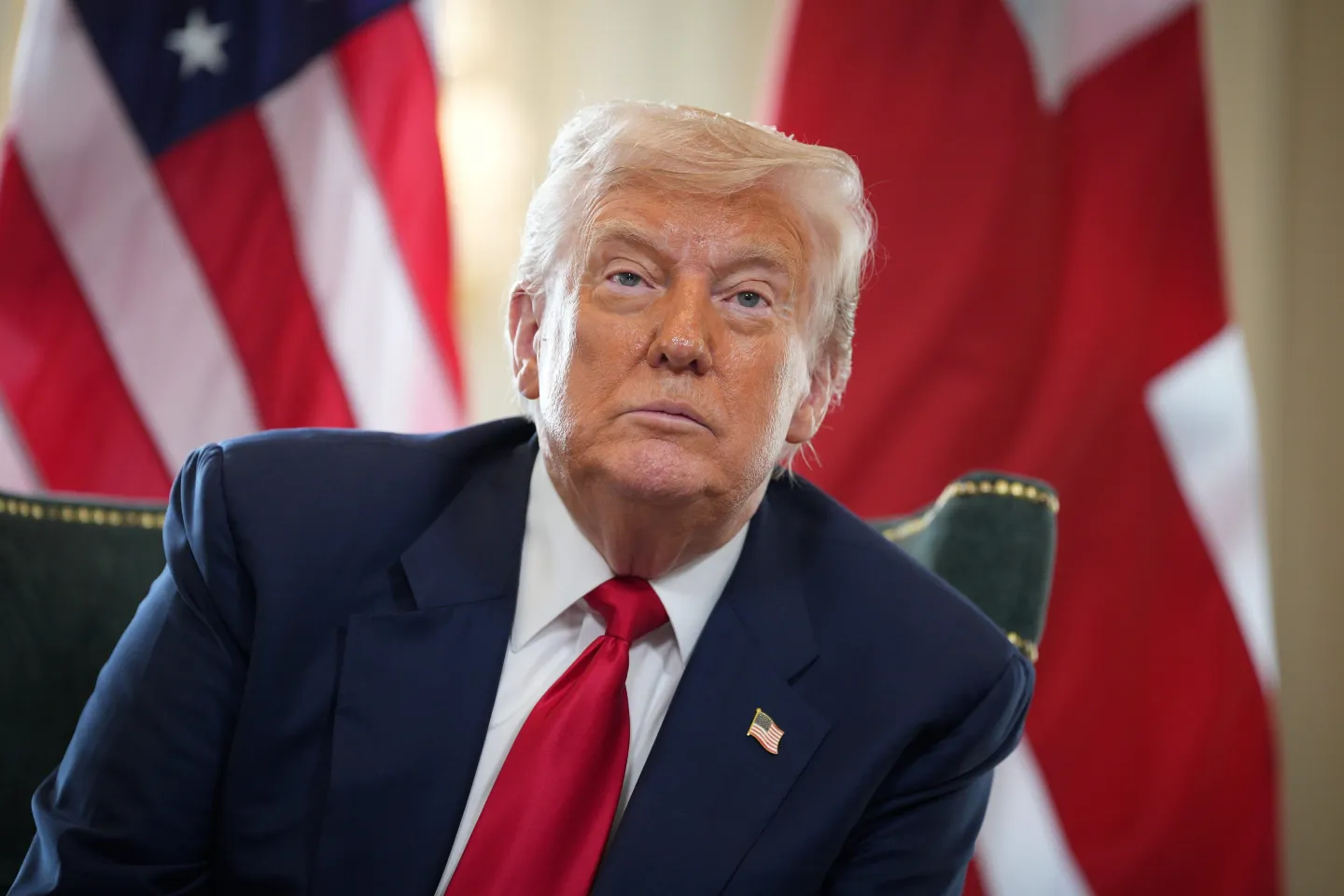
Getty Images
A New Chapter in Corporate Bitcoin Accumulation
The cryptocurrency industry witnessed another significant development as Trump Media reportedly expanded its Bitcoin holdings through an additional purchase valued at approximately $205 million. The move has attracted widespread attention across financial markets, technology circles, and the broader digital asset ecosystem. At a time when many corporations continue to evaluate their exposure to cryptocurrencies, this latest acquisition demonstrates a willingness to maintain a strong position in Bitcoin despite ongoing market volatility.
The announcement arrives during a period when digital assets are becoming increasingly integrated into mainstream investment strategies. Institutional investors, hedge funds, public companies, and wealth management firms are all exploring new ways to participate in the evolving crypto economy. Trump Media's latest purchase adds another layer to the growing narrative that Bitcoin is no longer viewed solely as a speculative asset but also as a potential long term store of value.
Understanding the Scale of the Investment
A $205 million Bitcoin purchase is not a routine treasury decision. Such a large allocation reflects extensive planning, financial analysis, and strategic conviction. Corporate treasury managers generally prioritize capital preservation and liquidity. Therefore, any substantial commitment to Bitcoin suggests confidence in the asset's future potential.
Large Bitcoin acquisitions also attract attention because they reduce the available supply circulating in public markets. Bitcoin's fixed supply remains one of its most distinctive features. Unlike traditional fiat currencies that can be expanded through monetary policy decisions, Bitcoin operates under a predetermined issuance schedule. This scarcity often serves as a central argument among supporters who believe the asset can appreciate in value over time.
For Trump Media, the purchase represents more than a simple investment. It positions the company within a growing group of corporations that see Bitcoin as an important component of their financial strategy.
Corporate Bitcoin Strategies Continue to Evolve
Corporate participation in cryptocurrency markets has changed dramatically over the past several years. Initially, many public companies remained cautious due to regulatory uncertainty and concerns regarding volatility. However, growing institutional adoption has gradually shifted perceptions.
Today, businesses are increasingly examining Bitcoin as a treasury reserve asset. Some organizations view it as a hedge against currency depreciation, while others see it as an opportunity to diversify balance sheet holdings. The decision by Trump Media to increase its Bitcoin exposure reflects this broader trend.
Companies entering the digital asset market often recognize that Bitcoin operates independently of traditional monetary systems. This characteristic can be appealing during periods of economic uncertainty when inflation concerns or currency fluctuations become major considerations for investors and corporations alike.
Market Reactions to the Latest Purchase
Major Bitcoin acquisitions frequently generate strong reactions across financial markets. Investors often interpret these purchases as signals of confidence from influential organizations. Such developments can influence sentiment and encourage further discussion about institutional adoption.
Following reports of the latest purchase, market participants began assessing what the move could mean for Bitcoin demand in the months ahead. While short term price movements are influenced by numerous factors, large scale acquisitions often contribute to positive sentiment because they demonstrate that organizations are willing to commit significant capital despite market risks.
The psychological impact of corporate buying should not be underestimated. Many investors monitor institutional activity closely, viewing it as an indicator of broader market confidence. When a company commits hundreds of millions of dollars to Bitcoin, it naturally attracts attention from both retail and institutional participants.
Challenges Associated With Large Bitcoin Holdings
Despite the optimism surrounding corporate Bitcoin investments, such strategies are not without risks. Bitcoin remains a highly volatile asset capable of experiencing substantial price fluctuations within relatively short periods.
Companies holding significant Bitcoin reserves must manage accounting considerations, investor expectations, and market risks. A decline in Bitcoin's value can affect reported financial performance and influence shareholder sentiment. As a result, organizations pursuing cryptocurrency strategies must be prepared for both potential rewards and temporary setbacks.
For Trump Media, maintaining a large Bitcoin position may require careful communication with investors and stakeholders. Transparency regarding investment objectives and risk management practices will likely remain important as the company continues expanding its digital asset exposure.
Institutional Adoption Continues to Shape the Industry
One of the most important developments in cryptocurrency markets has been the steady increase in institutional participation. Several years ago, Bitcoin was primarily associated with retail traders and technology enthusiasts. Today, the landscape looks dramatically different.
Investment funds, asset managers, pension related organizations, and publicly traded companies now play increasingly important roles in determining market dynamics. Their participation contributes to greater liquidity, improved infrastructure, and broader legitimacy for digital assets.
Trump Media's latest Bitcoin purchase reinforces the perception that institutional involvement remains a key driver of industry growth. Every major acquisition contributes to a broader narrative that cryptocurrencies are becoming part of mainstream financial discussions.
The Role of Bitcoin in Modern Corporate Finance
The concept of holding Bitcoin on a corporate balance sheet would have seemed unusual to many executives a decade ago. Today, however, the conversation has evolved considerably.
Financial leaders increasingly recognize that digital assets may serve multiple functions within a broader treasury strategy. Bitcoin offers exposure to a decentralized financial network, operates continuously without traditional market hours, and provides a unique asset class that behaves differently from many conventional investments.
As a result, some corporations are exploring how Bitcoin can complement existing financial structures. The latest acquisition by Trump Media reflects this changing perspective and highlights the growing intersection between traditional corporate finance and digital asset markets.
Broader Implications for the Cryptocurrency Sector
Large corporate purchases often have effects that extend beyond the immediate transaction itself. They can influence public perception, encourage additional institutional research, and increase awareness among investors who may have previously remained on the sidelines.
The cryptocurrency industry continues to evolve as new participants enter the market. Regulatory developments, technological improvements, and institutional involvement are collectively shaping the next phase of growth. High profile acquisitions contribute to this momentum by demonstrating that established organizations view Bitcoin as a legitimate financial asset.
Such developments may also inspire other companies to reevaluate their own treasury strategies and consider whether digital assets deserve a place within their portfolios.
Investor Sentiment and Future Expectations
Investor sentiment remains one of the most powerful forces influencing cryptocurrency markets. Positive developments involving major corporations often strengthen confidence and generate renewed interest across the industry.
Many market observers will closely monitor Trump Media's Bitcoin strategy moving forward. Questions regarding future acquisitions, long term holding plans, and broader digital asset initiatives are likely to remain subjects of discussion among analysts and investors.
At the same time, Bitcoin's future trajectory will continue to depend on numerous variables, including macroeconomic conditions, regulatory frameworks, technological innovation, and institutional demand. Large corporate purchases represent only one component of a much larger ecosystem.
Trump Media's decision to acquire an additional $205 million worth of Bitcoin represents another notable milestone in the ongoing evolution of corporate cryptocurrency adoption. The move underscores growing confidence in Bitcoin's long term potential and highlights the increasing role that digital assets are playing within modern financial strategies.
As institutional participation continues expanding, the cryptocurrency market is gradually transitioning from a niche sector into a more established component of the global financial system. While challenges and risks remain, large scale investments such as this one demonstrate that many organizations are willing to embrace the opportunities presented by digital assets.
For investors, analysts, and industry observers, the latest purchase serves as another reminder that Bitcoin's influence continues to grow. Whether viewed as a store of value, a strategic reserve asset, or a symbol of financial innovation, Bitcoin remains at the center of an industry that continues to reshape conversations about money, investment, and the future of finance.

Popular articles



Subscribe to unlock premium content
Imran Khan’s Economic Missteps Amid Political Chaos in Pakistan

The Philippines’ Digital Shift How Remittances and BPO Are Fueling Growth

Is the Era of Globalization Over or Just Evolving?

Imran Khan’s Economic Missteps Amid Political Chaos in Pakistan
The Philippines’ Digital Shift How Remittances and BPO Are Fueling Growth
Imran Khan’s Economic Missteps Amid Political Chaos in Pakistan