Institutional Investors Deepen Focus on Bitcoin and Ethereum as Digital Assets Become Part of Mainstream Finance

Institutional Investors Deepen Focus on Bitcoin and Ethereum as Digital Assets Become Part of Mainstream Finance
By
David Goldfarb
Last updated:
May 22, 2026
First Published:
May 22, 2026


The Relationship Between Institutions and Cryptocurrency Is Rapidly Evolving
The cryptocurrency industry is entering a new era as institutional investors continue expanding their focus on Bitcoin and Ethereum. What was once considered an alternative investment segment primarily driven by retail traders has steadily transformed into an increasingly recognized asset class attracting the attention of some of the world's largest financial organizations.
Throughout 2026, institutional participation has emerged as one of the most influential forces shaping cryptocurrency markets. Investment firms, wealth managers, asset management companies, pension related organizations, family offices, and corporate treasuries are all evaluating how digital assets fit into their long term financial strategies.
This shift is not occurring because of short term market excitement alone. Instead, it reflects a broader recognition that blockchain technology and digital assets are becoming increasingly integrated into the global financial system.
As institutions allocate more resources toward understanding and investing in cryptocurrencies, the industry continues moving closer to mainstream acceptance.
Bitcoin Remains the Primary Institutional Gateway
Among all digital assets, Bitcoin continues to occupy a unique position within institutional portfolios. As the first cryptocurrency and the largest by market capitalization, Bitcoin has established itself as the benchmark asset for the entire digital currency sector.
Many institutional investors view Bitcoin as the most mature and proven cryptocurrency available today. Its long operational history, extensive liquidity, decentralized architecture, and global recognition make it the preferred starting point for organizations seeking exposure to digital assets.
For many investment managers, Bitcoin serves a role similar to that of a foundational asset within a diversified cryptocurrency strategy.
The continued interest from institutions reinforces Bitcoin's reputation as the dominant force within the digital asset economy and highlights its growing importance within broader financial discussions.
Ethereum Is Attracting Increased Professional Interest
While Bitcoin often receives the majority of public attention, Ethereum has become equally important in conversations surrounding institutional adoption.
Ethereum powers a vast ecosystem of decentralized applications, blockchain based financial services, tokenization projects, and smart contract platforms. This technological utility differentiates Ethereum from many other cryptocurrencies and has attracted significant attention from professional investors.
Institutions increasingly recognize that Ethereum represents more than a digital currency. It functions as infrastructure supporting a growing digital economy built on blockchain technology.
As organizations explore the future of finance, many see Ethereum as a key component of that transformation. Its role in decentralized finance, digital ownership systems, and programmable financial products continues to strengthen its appeal among long term investors.
This growing interest has helped establish Ethereum as the second major pillar of institutional cryptocurrency investment.
Why Institutional Investors Are Paying Attention
Several factors are contributing to the increased interest in digital assets among professional investors. One of the most important is the maturation of cryptocurrency market infrastructure.
In previous years, concerns regarding custody, security, compliance, and operational reliability limited institutional participation. Today, many of these challenges have been addressed through the development of specialized services designed specifically for professional investors.
Improved custodial solutions, regulated investment products, enhanced security standards, and expanding regulatory clarity have made the market more accessible than ever before.
As these improvements continue, institutions are finding it easier to evaluate digital assets using the same frameworks applied to traditional investment opportunities.
The result is a growing willingness to incorporate cryptocurrencies into broader portfolio strategies.
Digital Assets Are Becoming a Recognized Asset Class
One of the most significant developments in recent years has been the gradual recognition of cryptocurrencies as a legitimate asset class.
Institutional investors traditionally allocate capital across categories such as equities, bonds, commodities, real estate, and alternative investments. Increasingly, digital assets are being considered alongside these established categories.
This evolution reflects changing perceptions regarding the role cryptocurrencies may play within modern investment portfolios.
Some institutions view Bitcoin as a potential store of value. Others focus on the growth potential associated with blockchain innovation. Many organizations simply recognize that digital assets represent an emerging sector that may become increasingly important in the future global economy.
Regardless of individual perspectives, the conversation has moved far beyond speculation and into the realm of strategic asset allocation.
The Impact of Exchange Traded Funds
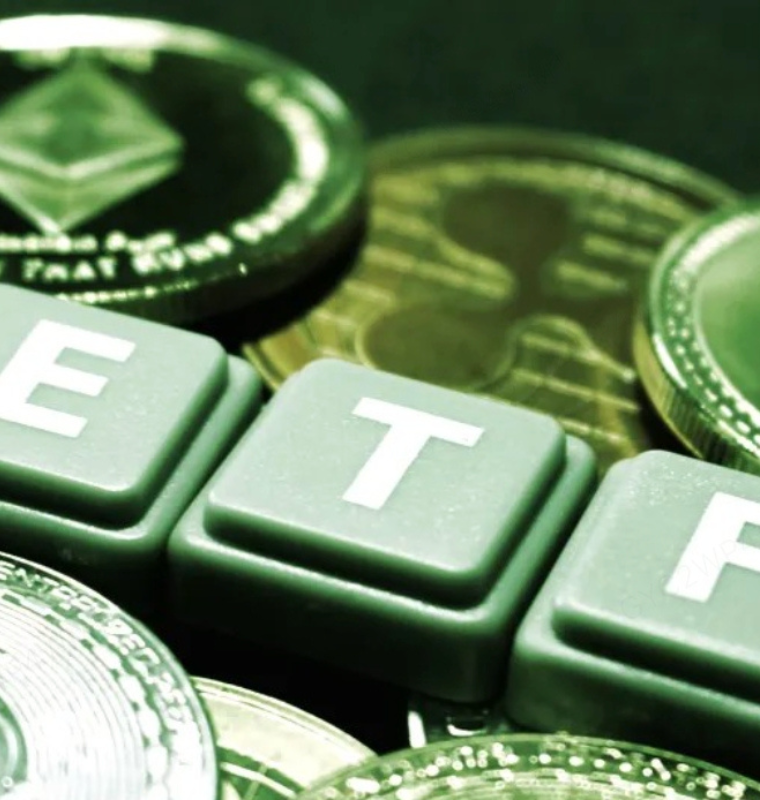
The growing availability of cryptocurrency exchange traded funds has played a major role in accelerating institutional adoption.
Exchange traded funds provide investors with exposure to digital assets through familiar investment structures. This eliminates many of the operational complexities traditionally associated with cryptocurrency ownership.
For wealth management firms, pension related entities, and institutional investors, ETFs offer a convenient and regulated pathway into the market.
The success of these products demonstrates that demand for cryptocurrency exposure extends well beyond technology enthusiasts and retail traders.
As additional investment products become available, access to digital assets will likely continue expanding across the institutional landscape.
Blockchain Technology Is Driving Long Term Interest
Institutional enthusiasm is not limited solely to cryptocurrency prices. Many organizations are equally interested in the technological innovations underlying digital assets.
Blockchain technology offers potential applications across numerous industries including banking, payments, logistics, healthcare, digital identity, and asset management.
As institutions study these possibilities, they increasingly recognize that blockchain could become a foundational component of future financial infrastructure.
This understanding strengthens the investment case for assets connected to major blockchain ecosystems.
Bitcoin and Ethereum benefit from this trend because they represent the most established and widely adopted networks within the industry.
The more institutions learn about blockchain technology, the more seriously they tend to evaluate digital asset opportunities.
Market Stability Benefits From Institutional Participation
One notable effect of increased institutional involvement is the potential for greater market stability over time.
Retail driven markets often experience sharp swings influenced by speculation and emotional decision making. Institutional investors typically operate with longer investment horizons and more disciplined portfolio management strategies.
While volatility remains a defining characteristic of cryptocurrency markets, the presence of long term capital can contribute to improved liquidity and more balanced market behavior.
As institutional ownership continues growing, many analysts believe the cryptocurrency market may gradually become more resilient and mature.
This evolution could make digital assets increasingly attractive to a broader range of investors.
Challenges Continue to Influence Adoption
Despite substantial progress, several challenges remain. Regulatory uncertainty persists in some jurisdictions, and policymakers continue working to develop frameworks that address the unique characteristics of digital assets.
Cybersecurity remains an important consideration, particularly as institutional investments grow larger. Market volatility, technological risks, and evolving competitive dynamics also require careful monitoring.
Institutions entering the cryptocurrency market must balance opportunity with risk management.
Successful participation requires thorough research, robust governance structures, and a clear understanding of the rapidly changing digital asset landscape.
These considerations will remain important as adoption continues expanding.
The Future of Institutional Cryptocurrency Investment
The trajectory of institutional involvement suggests that cryptocurrencies are likely to become increasingly integrated into mainstream finance during the coming years.
As regulatory clarity improves and infrastructure continues advancing, more organizations may choose to explore digital asset exposure. Financial products will likely become more sophisticated, offering investors a broader range of opportunities across different segments of the blockchain economy.
Bitcoin and Ethereum are expected to remain central to this evolution due to their established market positions and extensive adoption.
At the same time, emerging blockchain projects may attract additional attention as institutions seek exposure to new technologies and innovative business models.
The market is gradually transitioning from experimentation to long term strategic participation.
The growing focus on Bitcoin and Ethereum among institutional investors represents one of the most important developments in the modern cryptocurrency industry. What began as a niche market has evolved into a recognized segment of global finance that attracts attention from some of the world's most influential financial organizations.
Driven by improved infrastructure, expanding investment products, increasing regulatory clarity, and growing confidence in blockchain technology, institutional participation continues to reshape the digital asset landscape.
Bitcoin remains the primary gateway for professional investors, while Ethereum's technological significance positions it as a critical component of the broader blockchain ecosystem. Together, these assets are helping bridge the gap between traditional finance and the emerging digital economy.
As institutional adoption continues accelerating, cryptocurrencies are becoming more deeply embedded within the financial system, marking the beginning of a new chapter in the evolution of global investing and digital finance.

Popular articles



Subscribe to unlock premium content
Imran Khan’s Economic Missteps Amid Political Chaos in Pakistan

The Philippines’ Digital Shift How Remittances and BPO Are Fueling Growth

Is the Era of Globalization Over or Just Evolving?

Imran Khan’s Economic Missteps Amid Political Chaos in Pakistan
The Philippines’ Digital Shift How Remittances and BPO Are Fueling Growth
Imran Khan’s Economic Missteps Amid Political Chaos in Pakistan