Stablecoin Regulation Debate Intensifies Globally
By
Augusta Parker
Last updated:
April 1, 2026
First Published:
April 25, 2026

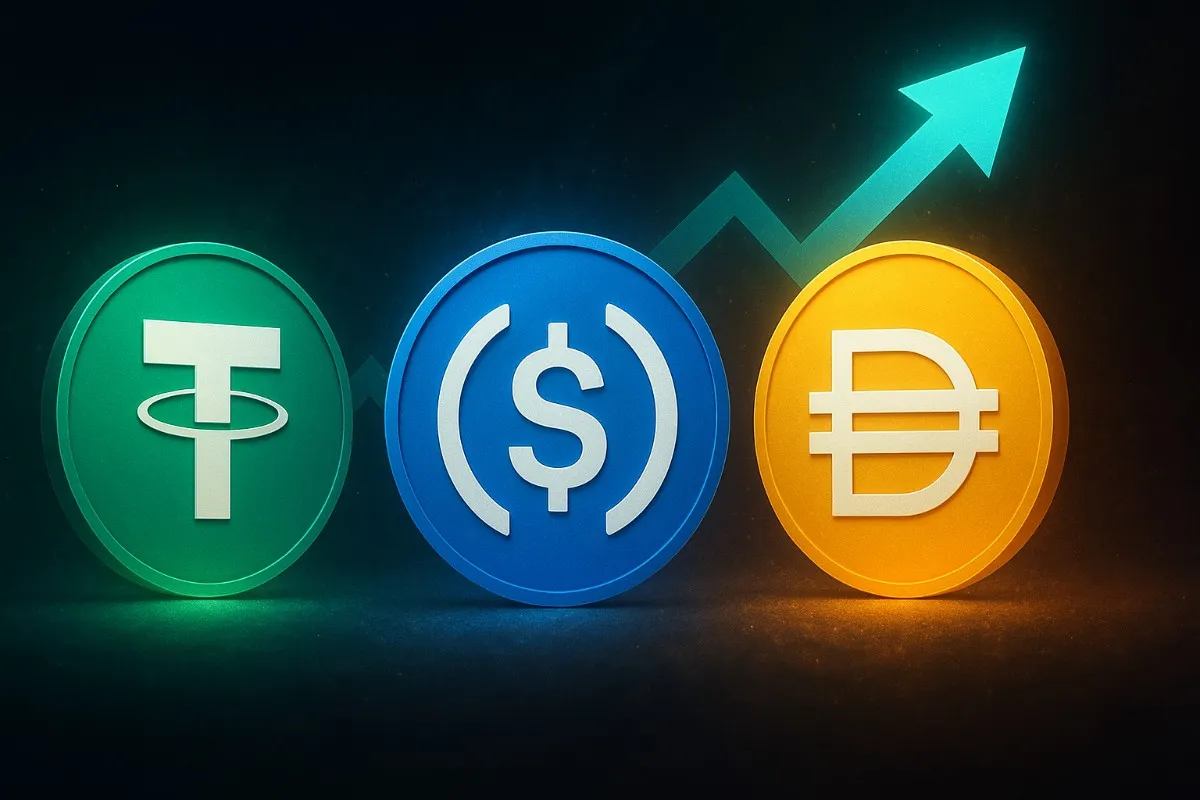
Photo: TransFi
Stablecoins at the Center of Financial Discussions
The debate over stablecoin regulation has gained momentum as governments and financial authorities around the world examine the implications of widely used digital currencies. Stablecoins, which are designed to maintain a fixed value relative to traditional currencies, have become a significant part of the cryptocurrency ecosystem. Their growth raises questions about financial stability, investor protection, and the role of central banks.
Balancing Innovation and Oversight
Regulators are striving to strike a balance between fostering innovation and protecting the financial system. Stablecoins offer the promise of faster transactions, lower costs, and improved access to financial services. At the same time, authorities are concerned about potential risks such as systemic instability, misuse for illicit activities, and challenges in maintaining monetary policy effectiveness.
Global Approaches to Regulation
Different countries are adopting varying approaches to stablecoin oversight. Some regions are proposing comprehensive frameworks that include licensing, transparency requirements, and reserve audits. Others are taking a more cautious stance, monitoring developments while warning firms of potential regulatory action. This global diversity creates both opportunities and challenges for international stablecoin projects.
Implications for Investors
The regulatory debate has direct implications for investors using stablecoins for payments, savings, or trading. Clear rules can enhance confidence and security, while uncertainty may limit adoption and create market volatility. Investors are increasingly seeking platforms and projects that comply with evolving regulatory standards to mitigate risk.
Impact on the Cryptocurrency Ecosystem
Stablecoins play a central role in the broader crypto market, providing liquidity and acting as a bridge between fiat and digital assets. Regulatory clarity could strengthen their function and encourage greater participation from institutions, while excessive restrictions might stifle innovation and slow adoption of blockchain technology.
Industry Response and Adaptation
Crypto firms are actively engaging with regulators and industry groups to shape policy outcomes. Companies are developing more transparent systems, improving reserve management, and implementing compliance measures to meet potential legal requirements. Collaboration between industry and regulators is seen as critical to creating a sustainable environment for stablecoins.
Central Bank Digital Currencies and Competition
The rise of stablecoins has also accelerated discussions around central bank digital currencies. Governments are exploring how state issued digital currencies could coexist or compete with private stablecoins. This dynamic has significant implications for market structure, user adoption, and the future of digital payments.
Technological and Security Considerations
Ensuring secure and reliable stablecoin platforms is essential amid regulatory scrutiny. Developers are focused on robust smart contracts, secure custody solutions, and risk management systems to maintain trust. Effective technology integration supports both regulatory compliance and investor confidence.
Potential Long Term Market Effects
The outcome of regulatory decisions will shape the future of stablecoins and the wider cryptocurrency market. Clear, balanced regulation could boost adoption, enhance credibility, and attract institutional investment. Conversely, fragmented or overly restrictive rules might limit market growth and innovation.
Looking Forward
As debates continue, stakeholders in the crypto ecosystem are closely monitoring developments and preparing to adapt. Stablecoins remain at the intersection of innovation and regulation, representing both opportunity and challenge. The evolving regulatory landscape will play a decisive role in determining how these digital assets integrate with global financial systems.

Popular articles



Subscribe to unlock premium content
Ripple and Bitso Expand Partnership as RLUSD Stablecoin Ecosystem Gains Momentum
Bybit Introduces Tokenized SpaceX IPO Shares in Landmark Real World Asset Initiative
Crypto Tax Debate Intensifies in Washington Over Mining and Staking Rewards
Ripple and Bitso Expand Partnership as RLUSD Stablecoin Ecosystem Gains Momentum
Bybit Introduces Tokenized SpaceX IPO Shares in Landmark Real World Asset Initiative
Ripple and Bitso Expand Partnership as RLUSD Stablecoin Ecosystem Gains Momentum