
Institutional Confidence Grows Despite Crypto Market Volatility
By
Alina Sinclair
Last updated:
April 1, 2026
First Published:
April 1, 2026

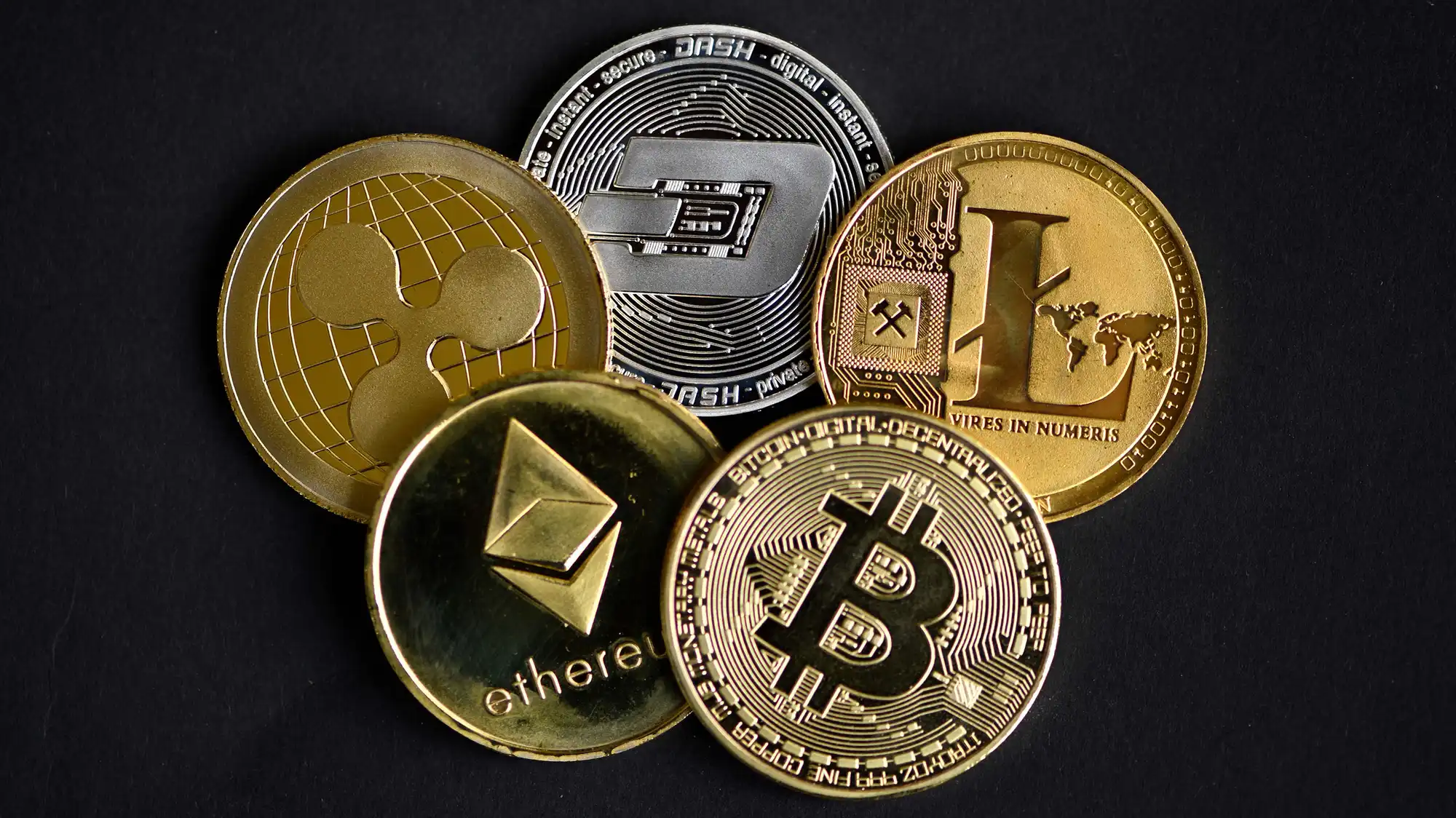
Photo: Marketplace
Traditional Institutions Embrace the Crypto Sector
Despite ongoing volatility in cryptocurrency markets, institutional investors are gradually increasing their exposure to digital assets. Large financial firms, hedge funds, and asset managers are incorporating crypto into diversified portfolios, signaling growing confidence in the sector’s long term potential. This trend reflects a shift from cautious observation to active participation.
Drivers of Institutional Interest
Several factors are driving this renewed interest. Improved regulatory clarity in major markets has reduced uncertainty for large investors. Advancements in secure custody solutions and blockchain analytics have addressed long standing concerns about safety and transparency. Additionally, the maturation of digital assets, with more established trading volumes and market structures, has made them increasingly attractive to professional investors.
Diverse Investment Approaches
Institutions are exploring various ways to gain exposure to cryptocurrencies. These include direct purchases of digital assets, investment in crypto focused funds, and the creation of tokenized financial products. By diversifying their approach, firms can balance risk while positioning themselves to benefit from the growth of the crypto ecosystem.
Impact on Market Liquidity
The entry of institutional investors is enhancing liquidity in cryptocurrency markets. Larger trades and more stable capital flows help reduce price swings, creating a more predictable environment for all participants. Improved liquidity also supports innovation by allowing new projects to access funding and integrate with established financial systems.
Bitcoin and Ethereum Lead Institutional Portfolios
Bitcoin and Ethereum continue to dominate institutional portfolios due to their market capitalization, liquidity, and widespread adoption. These digital assets are viewed as benchmarks within the sector and provide a foundation for exposure to emerging blockchain technologies and decentralized finance applications.
Managing Volatility and Risk
Despite growing confidence, market volatility remains a key consideration for institutional investors. Firms are employing sophisticated risk management strategies, including hedging, portfolio diversification, and real time monitoring. These tools allow them to navigate market fluctuations while maintaining long term strategic positions.
Implications for Retail Investors
The increasing involvement of institutional players can influence retail investor behavior. Greater participation from respected financial firms enhances credibility and signals legitimacy to individual investors. However, it may also create competitive pressures and affect short term price dynamics, requiring retail participants to be more informed and strategic.
Regulatory and Compliance Considerations
Institutions are also driving compliance improvements across the crypto sector. Their requirements for due diligence, reporting, and risk mitigation encourage best practices and promote industry standards. Over time, this can contribute to a safer and more transparent market environment for all participants.
Technological Integration and Innovation
Institutional adoption is closely tied to technological innovation. Firms are investing in secure infrastructure, advanced trading platforms, and blockchain based solutions. These developments not only support institutional participation but also contribute to the overall evolution and sophistication of the cryptocurrency ecosystem.
Looking Ahead
The growing confidence of institutional investors marks a significant milestone in the maturation of cryptocurrency markets. While volatility remains a factor, professional engagement helps stabilize the market and fosters innovation. As institutions continue to integrate digital assets into their strategies, the crypto sector is likely to see increased adoption, credibility, and long term growth.

Popular articles



Subscribe to unlock premium content
Disney’s Timeless Magic and How the Entertainment Giant Continues to Shape Culture and Innovation

Imran Khan’s Economic Missteps Amid Political Chaos in Pakistan

The Philippines’ Digital Shift How Remittances and BPO Are Fueling Growth

Disney’s Timeless Magic and How the Entertainment Giant Continues to Shape Culture and Innovation
Imran Khan’s Economic Missteps Amid Political Chaos in Pakistan
Disney’s Timeless Magic and How the Entertainment Giant Continues to Shape Culture and Innovation