
Stablecoin Market Reaches Record High as Institutional Demand Reshapes the Cryptocurrency Economy

Stablecoin Market Reaches Record High as Institutional Demand Reshapes the Cryptocurrency Economy
By
David Goldfarb
Last updated:
May 7, 2026
First Published:
May 7, 2026

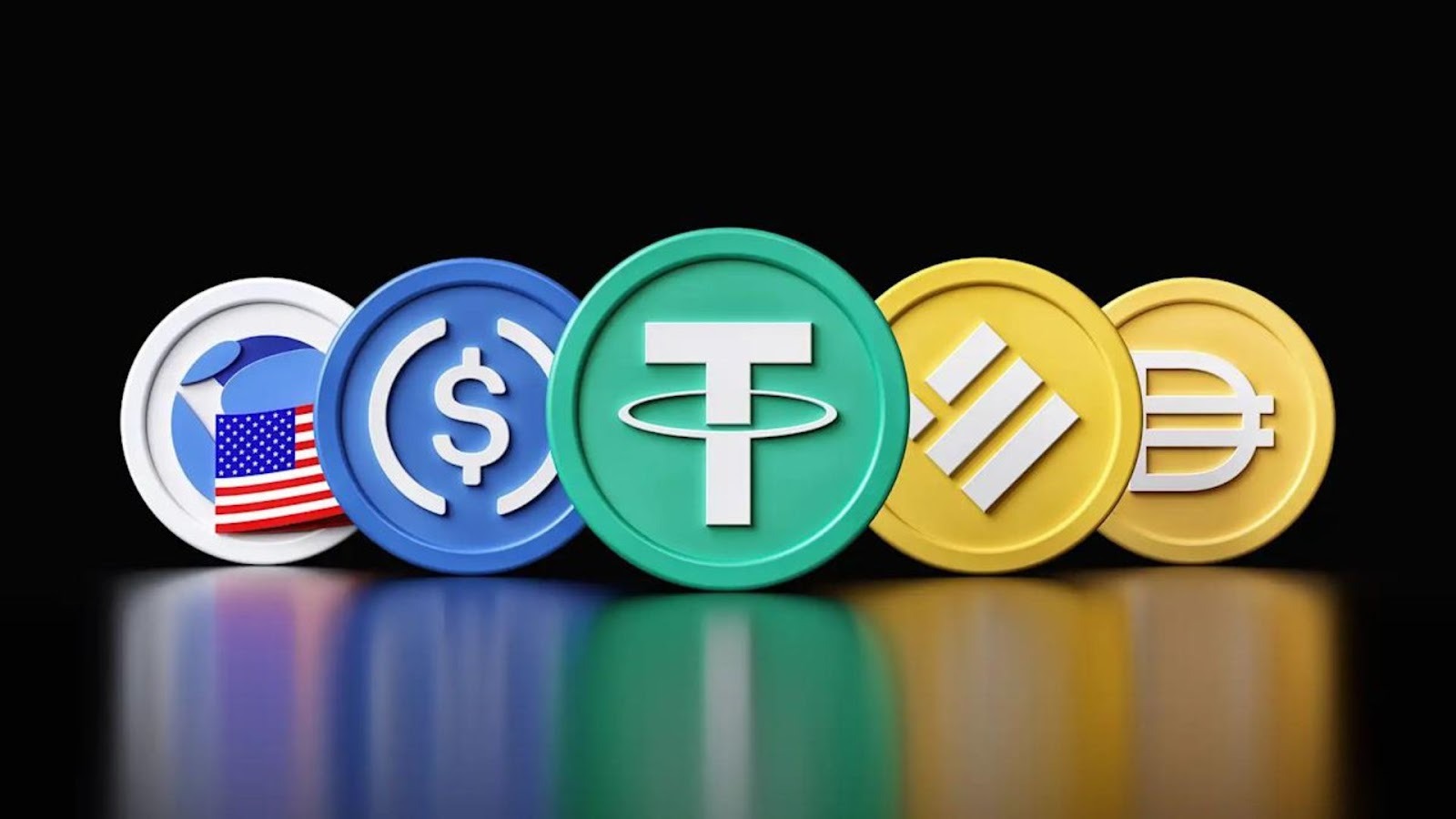
Photo: KuCoin
Stablecoins Enter Their Strongest Growth Phase Yet
The global stablecoin market has climbed to a new record valuation in 2026, signaling a major transformation in how digital assets are being used across the financial world. Once viewed mainly as a simple trading tool for cryptocurrency investors, stablecoins have evolved into one of the most influential sectors within blockchain finance.
The latest growth surge reflects expanding participation from institutional investors, payment companies, fintech platforms, and global trading firms. Stablecoins are no longer operating only within the boundaries of the crypto industry. They are increasingly becoming part of the wider digital economy, connecting traditional finance with blockchain based infrastructure.
This record breaking expansion demonstrates how demand for faster transactions, digital liquidity, and cross border financial access is accelerating worldwide. As more institutions integrate blockchain technology into their operations, stablecoins are emerging as one of the most practical and scalable solutions within the digital asset ecosystem.
Institutions Are Driving the New Stablecoin Boom
One of the biggest forces behind the stablecoin market explosion is the rapid entry of institutional capital. Large financial firms are now using stablecoins for settlement, treasury management, liquidity transfers, and international transactions.
Unlike earlier crypto cycles driven mainly by retail speculation, the 2026 stablecoin market is being fueled by structured financial activity. Investment funds, trading firms, and multinational corporations are increasingly using dollar pegged digital assets to move capital more efficiently between markets and platforms.
Traditional banking systems often involve delays, expensive transfer fees, and limited operational hours. Stablecoins offer near instant transfers that can operate continuously without relying on conventional banking schedules. This efficiency has become especially attractive for institutions managing large amounts of global capital.
As adoption expands, stablecoins are gradually becoming a core infrastructure layer for digital finance rather than merely a cryptocurrency trading instrument.
Cross Border Payments Are Transforming Rapidly
The stablecoin sector is also reshaping international payments in ways that many financial analysts once considered unlikely. Businesses operating across multiple countries are discovering that blockchain based settlement systems can reduce friction in global commerce.
Traditional international transfers may take several days to complete depending on the banking networks involved. Stablecoins can often finalize transactions within minutes while reducing processing costs significantly.
This advantage is becoming increasingly valuable for companies involved in ecommerce, international trade, remote employment, and digital services. As global business becomes more internet based, demand for efficient digital payment systems continues rising.
Financial technology firms are now integrating stablecoins directly into payment platforms, creating smoother experiences for both businesses and consumers. This trend is helping push stablecoins deeper into mainstream financial activity.
The United States Dollar Maintains Dominance in Digital Finance
Most leading stablecoins remain tied to the United States dollar, reinforcing the currency’s dominant position within global finance. Dollar backed stablecoins continue controlling the majority of digital liquidity across blockchain ecosystems.
This digital extension of dollar influence has created interesting geopolitical and economic discussions. Some analysts believe stablecoins could strengthen the global reach of the American financial system by increasing worldwide demand for dollar linked assets.
Others argue that governments may eventually introduce stricter oversight as stablecoins become more integrated into cross border financial flows. Regulators are paying closer attention to how digital dollars move through decentralized networks and global exchanges.
Despite regulatory debates, the dominance of dollar based stablecoins remains one of the clearest trends shaping the cryptocurrency economy in 2026.
Stablecoins Become Essential for Crypto Trading
Within cryptocurrency markets themselves, stablecoins have become indispensable. Traders use them as temporary safe havens during periods of volatility, while exchanges rely on them for liquidity management and trading pair infrastructure.
Many investors prefer stablecoins because they provide blockchain based mobility without exposure to extreme price swings. This flexibility allows traders to move funds quickly between opportunities without converting assets back into traditional bank accounts.
As trading activity grows across centralized and decentralized platforms, stablecoins continue serving as the financial backbone of the digital asset ecosystem. Their role has expanded far beyond simple token transfers.
The increasing use of stablecoins in decentralized finance applications has also strengthened demand. Lending protocols, staking systems, liquidity pools, and automated trading strategies all rely heavily on stable digital assets for operational stability.
Governments Intensify Regulatory Discussions
The rapid expansion of stablecoins has captured the full attention of regulators around the world. Governments understand that these digital assets could significantly influence banking systems, monetary policy, and payment infrastructure in the years ahead.
Lawmakers in several major economies are now debating how stablecoins should be regulated. Key concerns include reserve transparency, consumer protection, financial stability, and anti money laundering compliance.
Some regulators support the growth of stablecoins under clear legal frameworks, believing innovation should be encouraged while risks remain controlled. Others worry that unchecked expansion could weaken traditional banking systems or create systemic vulnerabilities.
The regulatory outcome may shape the next decade of digital finance. Stablecoin issuers are therefore investing heavily in compliance systems, auditing standards, and reserve transparency to strengthen trust among institutions and regulators alike.
Competition Among Stablecoin Issuers Intensifies
As the market expands, competition between stablecoin providers is becoming increasingly aggressive. Major issuers are competing for dominance by offering improved transparency, broader blockchain compatibility, and deeper integration with financial services.
Some stablecoin companies are focusing on institutional partnerships, while others are prioritizing decentralized ecosystems and retail accessibility. New entrants continue emerging as financial technology firms attempt to secure market share within this rapidly growing sector.
Innovation is accelerating across the industry. Stablecoins are now available on multiple blockchain networks with varying speeds, transaction costs, and scalability features. This competition is pushing companies to improve user experience and infrastructure quality.
The battle for stablecoin leadership is expected to intensify further as adoption continues spreading across global markets.
Central Banks Watch the Industry Closely
The rise of stablecoins is also influencing discussions surrounding central bank digital currencies. Governments worldwide are studying how privately issued digital assets might affect future monetary systems.
Some policymakers view stablecoins as evidence that digital payment innovation is inevitable. Others believe central banks must develop official digital currencies to maintain monetary control in an increasingly blockchain based economy.
The relationship between stablecoins and future government issued digital currencies remains uncertain. In some regions they may coexist, while in others regulators could attempt to limit private sector dominance.
Regardless of the outcome, stablecoins have already accelerated the global conversation around the future of money and financial infrastructure.
Investor Confidence Continues Growing
The stablecoin market’s record valuation reflects rising confidence from both retail and institutional participants. Investors increasingly believe stablecoins will remain a permanent component of the financial technology landscape.
Unlike highly volatile cryptocurrencies, stablecoins offer predictability while still providing blockchain efficiency. This combination has made them attractive for practical financial applications beyond speculative trading.
The sector’s growth also demonstrates how blockchain technology is gradually moving toward real world utility. Stablecoins solve tangible problems related to payment speed, liquidity access, and global transaction efficiency.
As adoption broadens, many analysts expect stablecoins to become even more deeply integrated into digital commerce, investment management, and online financial services.
The Future of Digital Finance Is Taking Shape
The stablecoin market reaching a new all time high represents more than another milestone for cryptocurrency. It signals the emergence of a new financial architecture where blockchain based liquidity moves seamlessly across borders, platforms, and institutions.
This transformation is still in its early stages, yet the momentum behind stablecoins continues strengthening. Financial institutions are investing heavily in blockchain infrastructure, payment companies are exploring digital settlement systems, and governments are developing regulatory frameworks to address the sector’s rapid expansion.
Stablecoins are no longer simply supporting the cryptocurrency market. They are helping redefine how value moves through the global economy.
A Defining Year for the Stablecoin Industry
The events of 2026 may ultimately be remembered as a turning point for stablecoins and digital finance as a whole. Record market growth, institutional adoption, and expanding real world use cases have elevated stablecoins from niche crypto tools into major financial instruments.
The industry still faces challenges involving regulation, competition, and infrastructure development. However, the broader direction appears increasingly clear. Stablecoins are becoming one of the foundational technologies shaping the next generation of global finance.
As digital economies continue expanding and financial systems evolve, stablecoins may play a central role in connecting traditional banking with the decentralized future of money.

Popular articles



Subscribe to unlock premium content
Imran Khan’s Economic Missteps Amid Political Chaos in Pakistan

The Philippines’ Digital Shift How Remittances and BPO Are Fueling Growth

Is the Era of Globalization Over or Just Evolving?
Imran Khan’s Economic Missteps Amid Political Chaos in Pakistan
The Philippines’ Digital Shift How Remittances and BPO Are Fueling Growth
Imran Khan’s Economic Missteps Amid Political Chaos in Pakistan


