US Senate Intensifies Pressure on CLARITY Act as Crypto Industry Pushes for Regulatory Certainty

US Senate Intensifies Pressure on CLARITY Act as Crypto Industry Pushes for Regulatory Certainty
By
Rachel Steinberg
Last updated:
May 7, 2026
First Published:
May 7, 2026

Regulatory Debate Reaches a Defining Stage in Washington
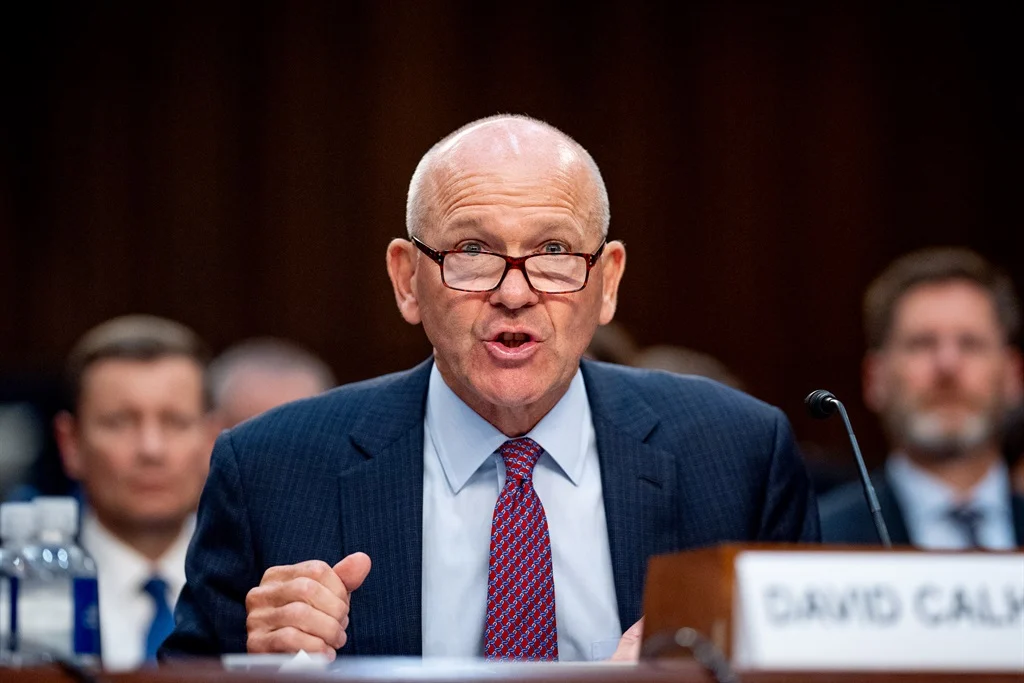
The cryptocurrency industry in the United States has entered a decisive moment as the US Senate increases scrutiny and momentum around the proposed CLARITY Act. The legislation is designed to bring clearer definitions and structured oversight to digital assets, especially focusing on how cryptocurrencies are classified, traded, and regulated within financial markets.
For years, the lack of consistent regulatory guidance has created uncertainty for exchanges, investors, and blockchain companies operating in the United States. Now, with renewed political attention, the debate is shifting from general discussion to concrete policy direction. Lawmakers are under growing pressure to establish a framework that balances innovation with investor protection.
The crypto industry views this moment as potentially transformative. Many companies believe that clear rules could unlock a new wave of institutional adoption and long term growth, while others remain cautious about the possibility of overly restrictive measures.
Exchanges Push Hard for Legal Clarity
Cryptocurrency exchanges are among the most affected stakeholders in this legislative debate. Platforms that facilitate billions of dollars in daily trading volume operate in a regulatory environment that many industry leaders still describe as fragmented and uncertain.
Without clear definitions of what constitutes a security or commodity in the digital asset space, exchanges face ongoing legal ambiguity. This uncertainty affects token listings, product development, compliance strategies, and even international expansion plans.
Executives from major trading platforms have increased their engagement with policymakers, urging Congress to provide a stable regulatory foundation. Their argument is simple: without clarity, innovation slows and businesses are forced to operate defensively rather than strategically.
The CLARITY Act Gains Political Momentum
The CLARITY Act has emerged as one of the most discussed pieces of proposed legislation in the digital asset sector. Its central aim is to define regulatory responsibilities more clearly between different US financial agencies and establish a consistent classification system for cryptocurrencies.
Supporters of the bill argue that the United States needs a modernized framework that reflects the unique nature of blockchain based assets. They believe the current system, which often applies traditional financial rules to decentralized technologies, is no longer sufficient.
Opponents, however, raise concerns about potential loopholes, enforcement challenges, and the risk of unintended consequences. Some lawmakers worry that overly broad definitions could either stifle innovation or fail to adequately protect consumers.
Institutional Investors Watch Closely
Institutional investors are closely monitoring developments around the CLARITY Act because regulatory clarity is a key factor in long term capital allocation decisions. Large financial firms typically require predictable legal environments before committing significant resources to new asset classes.
Uncertainty in the United States has historically pushed some institutions toward offshore or alternative markets with clearer rules. If the CLARITY Act succeeds in providing a stable framework, it could encourage more domestic participation in crypto related investment products.
Asset managers, pension funds, and hedge funds are particularly interested in how the legislation might define custody requirements, compliance obligations, and trading standards for digital assets.
Regulatory Fragmentation Remains a Core Issue
One of the main challenges highlighted during Senate discussions is the fragmented nature of current crypto regulation. Multiple agencies have overlapping or unclear authority over different aspects of digital asset markets.
This fragmentation has created confusion for businesses attempting to comply with evolving rules. Exchanges often must navigate different interpretations depending on jurisdiction and regulatory body, which increases operational complexity and legal risk.
The CLARITY Act seeks to address these issues by providing a more unified approach. However, achieving consensus among lawmakers, regulators, and industry stakeholders remains a complex task.
Crypto Industry Warns Against Overregulation
While the industry strongly supports the idea of regulatory clarity, many companies are also warning against excessive control that could limit innovation. Blockchain developers and exchange operators argue that overly strict rules could push innovation outside the United States.
Several industry leaders have emphasized that the global nature of cryptocurrency means regulation must be carefully balanced. If domestic rules become too restrictive, businesses and talent may relocate to more flexible jurisdictions.
This concern has added urgency to negotiations, as policymakers attempt to ensure that the United States remains competitive in the global digital economy.
Token Classification Remains a Central Debate
One of the most important and controversial aspects of the CLARITY Act is how it proposes to classify digital assets. The distinction between securities and commodities has major implications for how cryptocurrencies are issued, traded, and regulated.
Clear classification would help exchanges determine which tokens can be listed under specific compliance standards. It would also provide investors with greater understanding of the legal nature of their assets.
However, achieving agreement on classification rules has proven difficult. Many digital assets do not fit neatly into traditional financial categories, which complicates legislative drafting and enforcement strategies.
Market Participants Expect Short Term Uncertainty
Despite optimism about long term clarity, market participants expect continued uncertainty in the short term as the legislative process unfolds. Crypto markets often react to regulatory news with volatility, especially when outcomes are unclear.
Exchanges may delay product launches or listing decisions until regulatory direction becomes more certain. This cautious approach reflects the high stakes involved in compliance within the United States financial system.
At the same time, traders and investors are closely watching developments for signals about future market structure changes that could impact liquidity and trading behavior.
Global Competitiveness Drives Legislative Urgency
One of the underlying motivations behind the CLARITY Act discussions is global competitiveness. Other regions have already moved forward with structured crypto regulations, creating environments that attract investment and innovation.
US lawmakers are increasingly aware that delays in regulatory clarity could affect the country’s leadership position in financial technology. The race to define crypto rules is no longer just a domestic issue but part of a broader global competition.
By establishing clear guidelines, the United States aims to maintain its influence over the future development of digital financial systems.
Exchanges Prepare for Multiple Outcomes
Cryptocurrency exchanges are preparing for a range of possible outcomes as the legislative process continues. Compliance teams are actively reviewing potential scenarios and adjusting internal systems to accommodate different regulatory frameworks.
Many platforms are investing in legal infrastructure, reporting systems, and enhanced transparency tools to ensure readiness regardless of the final version of the legislation.
This proactive approach reflects the industry’s recognition that regulatory clarity, whether strict or flexible, will ultimately reshape how digital asset markets operate in the United States.
A Turning Point for US Crypto Regulation
The growing momentum behind the CLARITY Act represents a pivotal moment for cryptocurrency regulation in the United States. Whether the final legislation is expansive or limited in scope, it is likely to define the next phase of digital asset development in the country.
For exchanges, investors, and blockchain innovators, the outcome could determine the level of confidence and participation in US based crypto markets for years to come.
As Senate discussions continue, the industry remains focused on achieving a framework that supports innovation while ensuring stability and investor protection. The decisions made during this period may ultimately shape the future structure of global cryptocurrency markets.
Popular articles



Subscribe to unlock premium content
Imran Khan’s Economic Missteps Amid Political Chaos in Pakistan

The Philippines’ Digital Shift How Remittances and BPO Are Fueling Growth

Is the Era of Globalization Over or Just Evolving?

Imran Khan’s Economic Missteps Amid Political Chaos in Pakistan
The Philippines’ Digital Shift How Remittances and BPO Are Fueling Growth
Imran Khan’s Economic Missteps Amid Political Chaos in Pakistan