SpaceX Bitcoin Treasury Revealed in IPO Filing
By
Augusta Parker
Last updated:
May 21, 2026
First Published:
May 21, 2026

SpaceX Enters the Crypto Spotlight in Dramatic Fashion
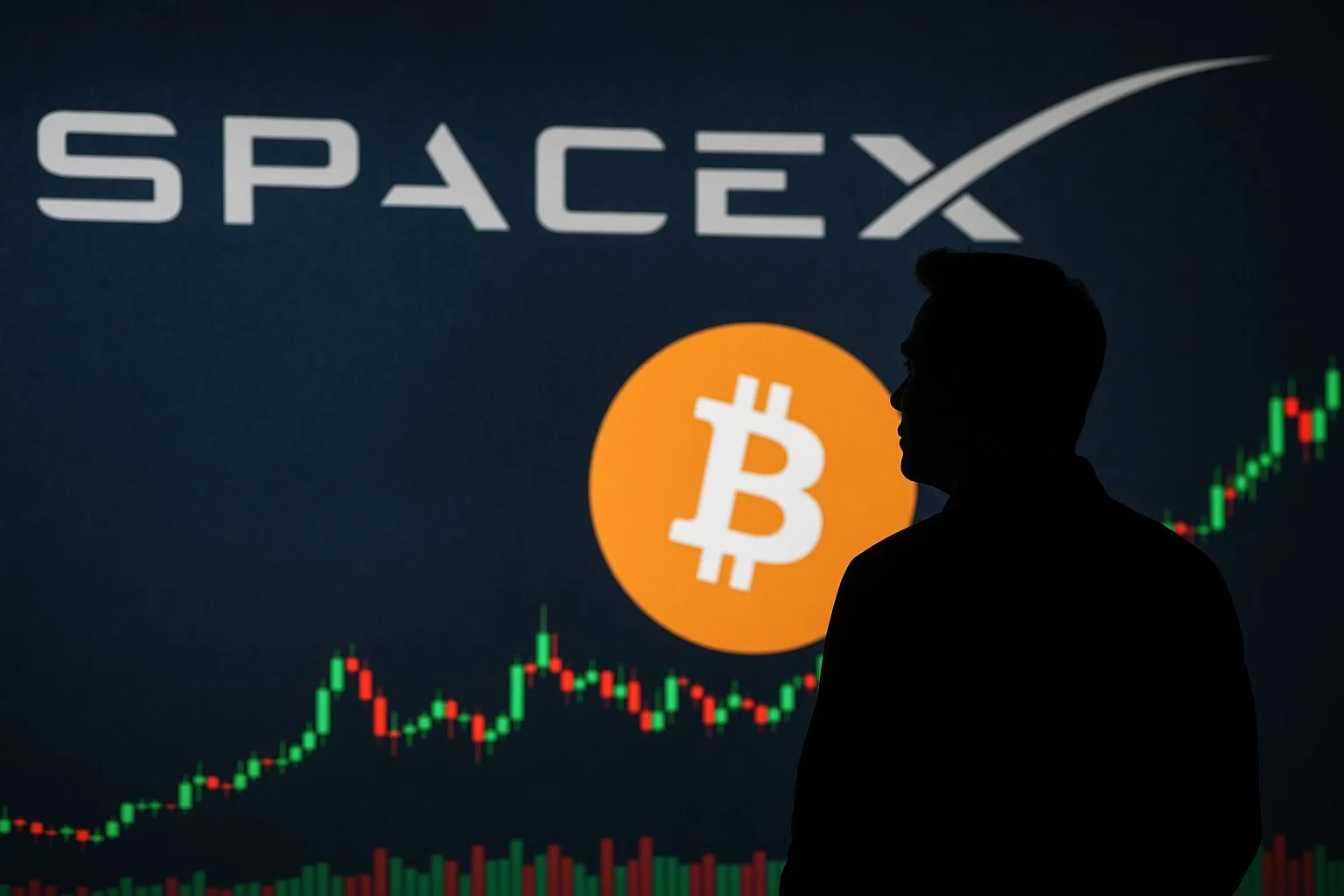
The cryptocurrency market received a major surprise after reports connected to SpaceX revealed that the company holds approximately 1.29 billion dollars worth of Bitcoin as part of its corporate treasury strategy. The revelation immediately captured attention across both the technology and financial sectors because it highlights how deeply digital assets are becoming integrated into large scale corporate planning.
For years, rumors circulated about the extent of SpaceX involvement with cryptocurrency. While executives connected to the company had previously expressed positive views about Bitcoin and blockchain technology, the scale of the reported holdings exceeded many market expectations. The disclosure has now intensified conversations about how major corporations may use digital assets as long term strategic reserves.
The development also adds another layer to the evolving relationship between advanced technology companies and decentralized finance. SpaceX is widely viewed as one of the most ambitious private enterprises in the world, and its decision to maintain such a large Bitcoin position sends a powerful signal to global markets.
Bitcoin Continues Expanding Beyond Speculative Trading
The significance of the SpaceX treasury revelation goes far beyond the size of the holdings themselves. It reflects a broader transformation in how Bitcoin is perceived among institutional and corporate leaders. What was once dismissed as a speculative internet experiment is increasingly being treated as a strategic financial asset with long term relevance.
Large corporations are beginning to view Bitcoin through multiple lenses. Some see it as protection against inflation and currency devaluation. Others consider it a hedge against global economic instability or a way to diversify treasury reserves beyond traditional cash holdings.
This evolving perception has changed the narrative surrounding cryptocurrency adoption. Instead of focusing purely on short term trading profits, companies are now discussing Bitcoin within the context of treasury management, capital preservation, and future financial infrastructure.
The SpaceX disclosure strengthens the argument that digital assets are becoming part of mainstream corporate financial strategy rather than remaining confined to technology enthusiasts and retail investors.
The Elon Musk Influence on Crypto Markets Remains Enormous
Any cryptocurrency story connected to Elon Musk immediately generates massive attention across global markets. Musk has long maintained a complicated and highly influential relationship with digital assets, especially Bitcoin and Dogecoin.
His public comments have repeatedly triggered major price swings throughout the crypto market over the past several years. Investors closely monitor statements and business decisions associated with companies connected to him because they often shape broader market sentiment.
The revelation about SpaceX Bitcoin holdings reinforces the idea that Musk remains one of the most influential figures in cryptocurrency adoption. Even when he is not directly discussing crypto on social media, corporate actions linked to his businesses continue impacting investor psychology.
Many analysts believe that Musk views Bitcoin as more than just a financial asset. Some see his interest as part of a broader philosophy centered around technological decentralization, financial independence, and global digital infrastructure.
Corporate Bitcoin Treasuries Are Becoming More Common
The SpaceX story also reflects a growing trend among corporations accumulating Bitcoin as part of their balance sheets. Over recent years, several technology companies, investment firms, and financial organizations have publicly embraced digital assets as treasury reserves.
This movement has gradually created a new category within corporate finance strategy. Companies are increasingly evaluating whether holding a portion of reserves in Bitcoin could improve long term financial positioning.
Supporters of corporate Bitcoin strategies argue that traditional cash reserves can lose value during periods of inflation or aggressive monetary expansion. Bitcoin supporters believe limited supply and decentralized structure make it an attractive alternative store of value.
Critics, however, continue warning about cryptocurrency volatility. Sudden price declines remain a major concern for corporations responsible for protecting shareholder value and maintaining stable financial operations.
Despite these concerns, the number of institutions exploring digital asset treasury strategies continues growing steadily.
SpaceX Adds New Legitimacy to Institutional Adoption
SpaceX occupies a unique position in global business culture. The company is associated with advanced engineering, long term innovation, and ambitious technological goals. Because of this reputation, its involvement with Bitcoin carries symbolic importance beyond the actual financial value of its holdings.
Many investors interpret corporate crypto adoption differently depending on which companies are involved. When a highly respected technology company embraces Bitcoin, it often creates stronger legitimacy for the broader market.
SpaceX involvement may encourage additional corporate leaders to reconsider digital asset strategies. Executives observing successful companies integrating Bitcoin into treasury management may feel more comfortable exploring similar approaches themselves.
Institutional adoption tends to follow patterns of confidence and validation. Each major corporation entering the space reduces psychological barriers for others considering similar decisions.
Bitcoin and the Future of Technological Economies
The connection between Bitcoin and advanced technology firms is becoming increasingly important. Many innovators within artificial intelligence, aerospace, digital infrastructure, and software development view decentralized financial systems as compatible with the future of global technology.
Supporters believe cryptocurrencies may eventually support faster international transactions, decentralized commerce systems, and alternative financial ecosystems designed for digital economies.
SpaceX represents a company focused heavily on future oriented infrastructure. Its involvement with Bitcoin therefore fuels broader speculation about how digital assets could integrate into emerging technological environments over the coming decades.
Some analysts even believe blockchain technology may eventually play a role in future global communication systems, autonomous economic networks, and space related commercial activity.
While these ideas remain speculative, they illustrate how cryptocurrency discussions are increasingly connected to broader conversations about technological transformation.
Investor Reactions Reflect Growing Market Confidence
The crypto market responded strongly to the reports surrounding SpaceX holdings. Investor sentiment improved as many traders interpreted the disclosure as evidence that sophisticated corporations continue maintaining long term confidence in Bitcoin.
Institutional involvement often influences retail psychology because large companies are assumed to conduct extensive research before allocating major capital toward volatile assets. When respected firms accumulate Bitcoin, it can strengthen broader market optimism.
This confidence is particularly important during periods when the crypto industry is attempting to recover from past market collapses and regulatory uncertainty. Positive institutional stories help rebuild momentum and attract new capital into the ecosystem.
At the same time, some investors remain cautious. They recognize that corporate involvement alone does not eliminate the risks associated with cryptocurrency volatility, regulation, or macroeconomic uncertainty.
Still, the overall reaction suggests that institutional adoption stories remain powerful drivers of market sentiment in 2026.
Treasury Diversification Strategies Are Rapidly Evolving
Traditional corporate treasury management focused primarily on cash reserves, bonds, and highly liquid financial instruments. However, the financial landscape is changing rapidly as companies seek alternative approaches to capital preservation and long term value growth.
Digital assets now represent one component of this evolving conversation. While not every corporation will embrace Bitcoin, the willingness of major firms to experiment with treasury diversification strategies reflects broader uncertainty surrounding global financial systems.
Rising debt levels, inflation concerns, currency fluctuations, and changing monetary policies are encouraging some executives to explore unconventional financial assets.
Bitcoin remains controversial within corporate finance circles, but its growing adoption suggests that digital assets are becoming increasingly difficult for large institutions to ignore.
The SpaceX disclosure may therefore represent part of a much larger shift in how corporations think about reserve management in the digital age.
Regulatory Questions Continue to Shape Corporate Decisions
Despite growing institutional interest, regulatory uncertainty still influences how corporations approach cryptocurrency exposure. Public companies must navigate accounting standards, disclosure requirements, taxation rules, and compliance expectations that continue evolving across jurisdictions.
Large Bitcoin holdings can create financial reporting complexities because cryptocurrency accounting treatment differs from traditional assets in many regions.
As governments develop clearer digital asset frameworks, corporations may become more comfortable increasing exposure to Bitcoin and other cryptocurrencies. Regulatory clarity often reduces operational risk and strengthens investor confidence.
The SpaceX revelation may increase pressure on regulators to provide more transparent guidelines for corporate digital asset management.
Companies considering similar strategies will likely monitor future regulatory developments very closely before making major allocation decisions.
The Symbolism Behind a Billion Dollar Bitcoin Bet
The reported Bitcoin holdings connected to SpaceX represent more than a balance sheet figure. Symbolically, the disclosure highlights how cryptocurrency is increasingly intersecting with some of the most ambitious sectors of the global economy.
A company associated with space exploration, advanced engineering, and future technologies choosing to maintain significant Bitcoin reserves sends a strong cultural message about the growing acceptance of digital assets.
Bitcoin supporters view this as validation of the original vision behind decentralized finance. They argue that global financial systems are gradually evolving toward digital infrastructure powered by blockchain technology.
Skeptics remain unconvinced and continue questioning whether cryptocurrency can maintain long term stability at institutional scale.
Regardless of perspective, the SpaceX story demonstrates that Bitcoin is no longer operating solely on the edges of finance and technology. It is becoming deeply embedded within conversations about the future of global economic systems.
A New Era of Corporate Crypto Strategy Emerges
The disclosure surrounding SpaceX Bitcoin holdings may ultimately become one of the defining corporate crypto stories of 2026. It reflects changing attitudes toward digital assets, evolving treasury management strategies, and the growing intersection between advanced technology and decentralized finance.
As more corporations explore Bitcoin exposure, the cryptocurrency industry may continue moving toward greater institutional legitimacy and mainstream financial integration.
The long term success of these strategies remains uncertain, especially given the volatile nature of digital assets. However, the willingness of influential companies to maintain large Bitcoin reserves suggests that corporate confidence in cryptocurrency is becoming increasingly durable.
For the crypto market, this development represents another sign that digital assets are entering a more mature and strategically important phase of global finance.

Popular articles



Subscribe to unlock premium content
Imran Khan’s Economic Missteps Amid Political Chaos in Pakistan

The Philippines’ Digital Shift How Remittances and BPO Are Fueling Growth

Is the Era of Globalization Over or Just Evolving?
Imran Khan’s Economic Missteps Amid Political Chaos in Pakistan
The Philippines’ Digital Shift How Remittances and BPO Are Fueling Growth
Imran Khan’s Economic Missteps Amid Political Chaos in Pakistan