
U.S. Federal Reserve Explores New Payment Account Framework for Digital Finance Access

U.S. Federal Reserve Explores New Payment Account Framework for Digital Finance Access
By
Augusta Parker
Last updated:
May 21, 2026
First Published:
May 21, 2026

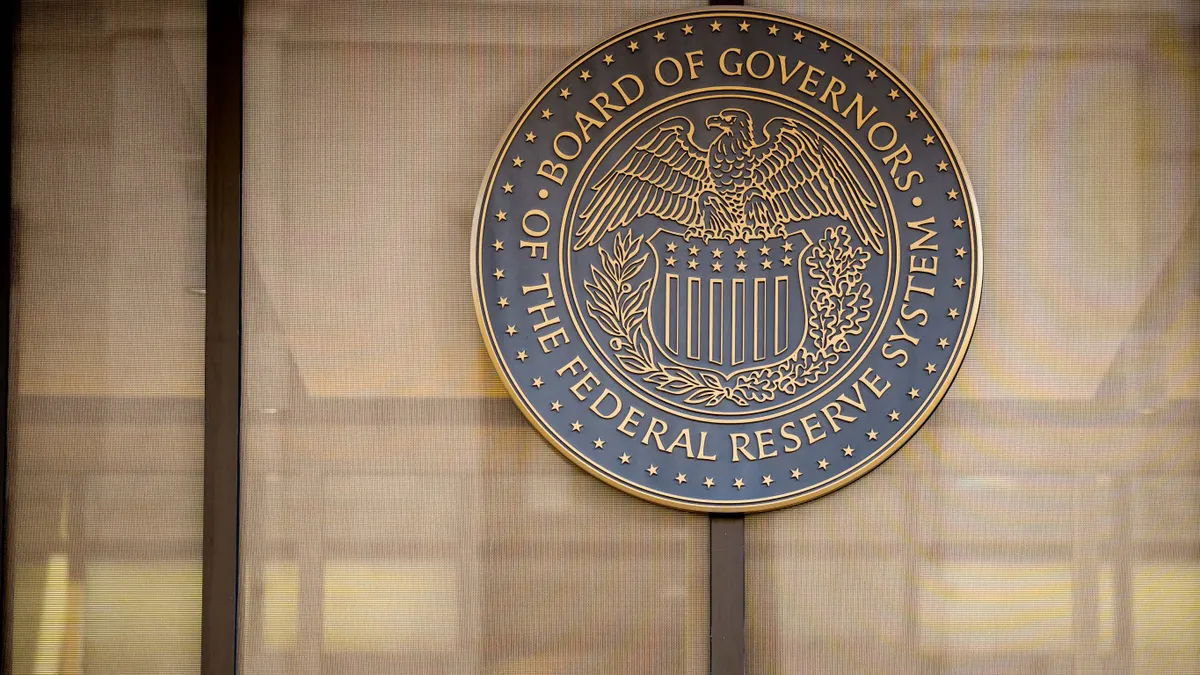
Getty Images
A Possible Turning Point in Banking Access for Crypto Companies
The cryptocurrency industry is closely watching developments in the United States after reports emerged that the Federal Reserve is exploring a new payment account framework that could expand access for fintech and crypto related firms to traditional banking infrastructure.
If implemented, the framework could represent one of the most significant structural shifts in how digital asset companies interact with the traditional financial system. For years, crypto firms have faced uneven access to banking services, creating friction in payments, settlements, and operational liquidity.
The proposed direction suggests a potential reevaluation of how payment accounts are granted, supervised, and integrated within the broader banking ecosystem. While still in the exploratory stage, the idea has already sparked strong interest across financial institutions, blockchain companies, and regulatory observers.
Why Banking Access Has Been a Persistent Crypto Challenge
One of the most enduring structural challenges for cryptocurrency businesses has been limited access to reliable banking services. Many digital asset firms operate in a regulatory gray area where traditional banks often hesitate to provide full service relationships.
This has led to operational inefficiencies, including difficulties in managing fiat on ramps, processing international transfers, and maintaining stable payment channels.
Over the past several years, several crypto companies have experienced sudden banking restrictions or account closures, often linked to regulatory uncertainty or risk management concerns within traditional financial institutions.
These limitations have forced parts of the crypto industry to rely heavily on alternative financial intermediaries or offshore banking solutions, increasing complexity and compliance burdens.
The Federal Reserve’s consideration of a more structured payment account framework could potentially address some of these long standing challenges.
What a New Payment Account Framework Could Change
While specific details remain limited, a redesigned payment account framework could fundamentally alter how fintech and crypto firms connect to the banking system.
Such a framework may standardize eligibility criteria, enhance regulatory clarity, and provide clearer pathways for institutions seeking access to central banking related payment infrastructure.
For crypto companies, this could translate into improved access to settlement systems, reduced friction in fiat transactions, and more predictable banking relationships.
It could also encourage banks to develop more structured engagement models with digital asset firms rather than treating them as high risk outliers.
If designed effectively, the framework may reduce operational uncertainty and improve integration between blockchain based financial systems and traditional payment networks.
Crypto Firms Seek Stability in Fiat Integration
Despite rapid growth in digital asset adoption, the cryptocurrency industry still depends heavily on traditional fiat infrastructure for real world usability.
Exchanges, payment platforms, and custodial services all rely on banking partners to process deposits, withdrawals, payroll, and business operations.
As a result, access to stable banking relationships remains essential for long term industry development.
A clearer and more consistent regulatory structure for payment accounts could help crypto firms scale more efficiently and reduce reliance on fragmented or inconsistent banking arrangements.
Institutional investors are also likely to view improved banking integration as a positive signal of maturity within the digital asset sector.
Regulatory Balance Remains a Central Challenge
While the potential benefits are significant, any expansion of banking access for crypto firms will likely require careful regulatory balancing.
Authorities must consider risks related to anti money laundering compliance, financial stability, consumer protection, and systemic exposure.
The Federal Reserve’s approach is expected to remain cautious, with emphasis on oversight mechanisms and strict eligibility requirements.
Regulators are likely to seek frameworks that encourage innovation while maintaining strong safeguards within the traditional financial system.
This balancing act has historically been one of the most complex aspects of integrating cryptocurrency businesses into regulated banking environments.
Traditional Banks May Face New Competitive Pressures
If crypto firms gain broader access to payment infrastructure, traditional banks may face increased competitive pressure from fintech driven financial models.
Digital asset companies often operate with more flexible infrastructure, faster transaction capabilities, and lower operational overhead in certain areas.
Improved access to payment systems could allow crypto firms to expand their service offerings into areas traditionally dominated by banks, including cross border payments, merchant services, and digital wallets.
This potential shift could accelerate innovation within the financial sector as banks respond by upgrading their own digital infrastructure and payment systems.
The result may be a more competitive and technologically advanced financial ecosystem.
Institutional Crypto Adoption Could Accelerate
One of the most important implications of the proposed framework is its potential impact on institutional crypto adoption.
Large financial institutions require stable, predictable, and compliant access to payment systems before engaging deeply with digital assets.
If regulatory clarity improves and banking access becomes more standardized, institutional participation in crypto markets could increase significantly.
This would likely enhance liquidity, reduce friction in capital flows, and further integrate blockchain based assets into mainstream financial portfolios.
It could also encourage more traditional financial institutions to develop in house crypto capabilities or partnerships with blockchain companies.
Global Financial Implications Extend Beyond the United States
Although the discussion is centered in the United States, the implications of Federal Reserve policy often extend globally.
The U.S. financial system plays a central role in international payments, banking standards, and capital markets.
If a structured framework for crypto firm banking access is introduced in the United States, other jurisdictions may consider similar approaches to remain competitive in the global financial landscape.
This could accelerate international harmonization of crypto related banking policies and reduce fragmentation across regions.
Global crypto firms would benefit from more consistent operational environments, making it easier to scale services across borders.
Technology and Banking Convergence Continues
The exploration of new payment account structures reflects a broader trend of convergence between traditional finance and blockchain based systems.
Financial institutions are increasingly recognizing that digital assets and decentralized infrastructure are not separate from modern banking but are becoming part of its evolution.
This convergence is driving innovation in payment systems, settlement infrastructure, digital identity verification, and compliance automation.
As these systems become more interconnected, the distinction between crypto companies and traditional fintech firms may continue to blur.
The Federal Reserve’s consideration of updated frameworks can be seen as part of this broader structural transformation.
Market Sentiment Responds to Policy Signals
Crypto markets are highly sensitive to regulatory developments, particularly those involving major institutions like the Federal Reserve.
Even early stage discussions about improved banking access can influence investor sentiment by signaling potential long term legitimacy and integration.
Markets often interpret such developments as indicators that the industry is gradually moving toward clearer regulatory acceptance.
This can contribute to increased institutional interest, improved capital inflows, and stronger confidence in digital asset infrastructure.
However, investors remain aware that policy exploration does not guarantee immediate implementation, and timelines for regulatory change can be lengthy.
A Structural Shift in Financial Architecture May Be Underway
The exploration of a new payment account framework highlights a broader shift in global financial architecture.
Digital asset firms are no longer operating entirely on the periphery of financial systems. Instead, they are increasingly interacting with central banking structures, regulatory frameworks, and institutional payment networks.
If the Federal Reserve moves forward with meaningful reforms, it could mark a significant step toward integrating blockchain based companies into mainstream financial infrastructure.
This evolution would represent a major milestone in the ongoing transformation of global finance, where traditional banking and decentralized systems begin to operate within a more unified framework.
The Future of Crypto Banking Access Remains Open
While details of the proposed framework remain uncertain, the direction of discussion reflects growing recognition of the importance of digital asset firms within the broader financial ecosystem.
The outcome will depend on regulatory design, industry compliance, and ongoing policy debates.
However, the conversation itself signals that cryptocurrency is no longer viewed solely as an external innovation but as a sector increasingly intertwined with traditional banking systems.
As the financial landscape continues evolving, the ability of crypto firms to access stable, regulated payment infrastructure may become one of the defining factors shaping the next phase of industry growth.
Popular articles



Subscribe to unlock premium content
Imran Khan’s Economic Missteps Amid Political Chaos in Pakistan

The Philippines’ Digital Shift How Remittances and BPO Are Fueling Growth

Is the Era of Globalization Over or Just Evolving?
Imran Khan’s Economic Missteps Amid Political Chaos in Pakistan
The Philippines’ Digital Shift How Remittances and BPO Are Fueling Growth
Imran Khan’s Economic Missteps Amid Political Chaos in Pakistan