

SEC and CFTC Move Toward Coordinated Crypto Regulation Framework
By
Leah Rosenfeld
Last updated:
March 15, 2026
First Published:
March 15, 2026

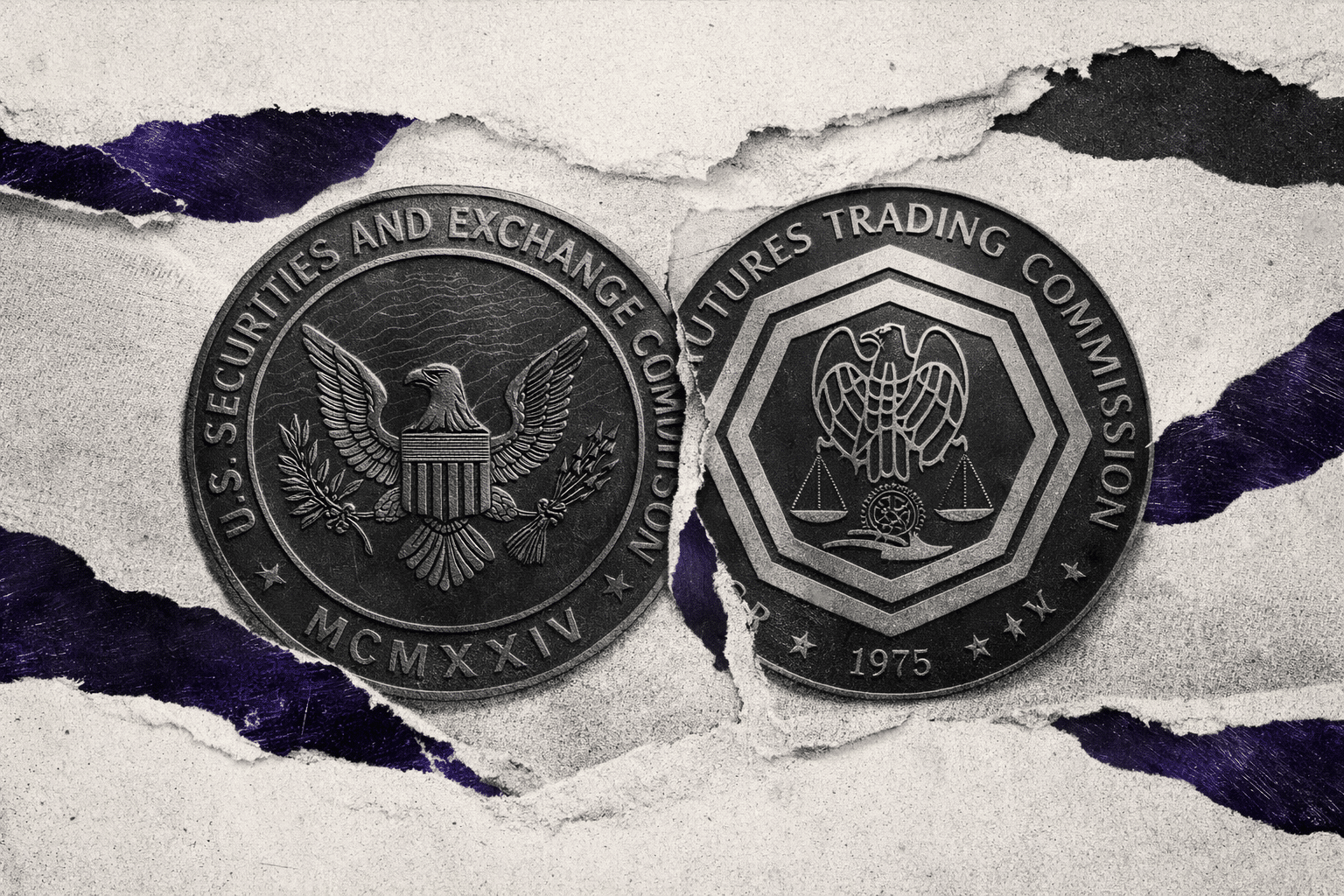
Photo: Unchained Crypto
A Historic Collaboration
For the first time in years, the Securities and Exchange Commission and the Commodity Futures Trading Commission have joined forces to establish a coordinated approach to cryptocurrency regulation. This collaboration seeks to reduce ambiguity and provide investors and companies with a clearer understanding of compliance requirements in a rapidly evolving market.
Clarifying the Regulatory Landscape
Uncertainty has long been a challenge in the crypto industry. Projects and exchanges often face conflicting rules from different authorities, which can hinder innovation and adoption. The joint framework aims to unify oversight, allowing businesses to operate with greater confidence while ensuring investor protection.
Implications for Exchanges
Cryptocurrency exchanges stand to benefit significantly from this coordinated approach. Clearer guidelines will streamline compliance procedures and reduce legal risk, making it easier for exchanges to list assets, manage trading activities, and provide services to a global audience. This may also encourage new entrants into the market.
Investor Protection Measures
A key focus of the SEC and CFTC collaboration is safeguarding investors. The framework includes protocols to prevent fraud, ensure transparency, and maintain market integrity. Enhanced reporting standards and compliance requirements are designed to give participants confidence that their investments are secure.
Impact on Institutional Participation
Institutional investors often hesitate to enter the crypto market due to regulatory uncertainty. By providing a more predictable regulatory environment, the SEC and CFTC are likely to attract more institutional capital. This could lead to increased liquidity, more stable prices, and broader adoption of digital assets.
Balancing Innovation and Oversight
While the framework emphasizes compliance, it also aims to foster innovation. Regulators are considering the needs of blockchain developers, fintech firms, and decentralized finance platforms to ensure rules are fair and supportive of technological advancement. This balance is critical for sustaining long-term growth in the crypto ecosystem.
Effects on DeFi and Emerging Technologies
Decentralized finance platforms and other emerging blockchain technologies are particularly sensitive to regulation. The coordinated framework provides clarity on how these platforms should operate, what disclosures are required, and how compliance can be achieved without stifling creativity. This clarity may encourage more projects to explore innovative solutions responsibly.
Market Stability and Confidence
The collaborative regulatory effort is expected to enhance overall market stability. Clear guidelines reduce the likelihood of sudden enforcement actions and minimize regulatory arbitrage. As confidence grows, both retail and institutional investors are likely to participate more actively, creating a healthier and more resilient market.
Challenges Ahead
Despite progress, challenges remain. Digital assets are global by nature, and US regulations must coexist with international frameworks. Additionally, rapidly evolving technology can outpace regulatory adaptations, requiring continuous dialogue between regulators, industry leaders, and technologists.
Looking Forward
The SEC and CFTC’s joint initiative marks a turning point for cryptocurrency oversight. By providing unified guidance, the agencies are laying the foundation for a more transparent, secure, and mature crypto market. This development is likely to accelerate institutional adoption, support innovation, and ultimately strengthen the long-term prospects of digital assets in the United States.

Popular articles



Subscribe to unlock premium content
Disney’s Timeless Magic and How the Entertainment Giant Continues to Shape Culture and Innovation

Imran Khan’s Economic Missteps Amid Political Chaos in Pakistan

The Philippines’ Digital Shift How Remittances and BPO Are Fueling Growth

Disney’s Timeless Magic and How the Entertainment Giant Continues to Shape Culture and Innovation
Imran Khan’s Economic Missteps Amid Political Chaos in Pakistan
Disney’s Timeless Magic and How the Entertainment Giant Continues to Shape Culture and Innovation