Fear Levels Reach Five in 2026 Crash Yet Bitcoin Holds Seventy-One Thousand Dollars

Fear Levels Reach Five in 2026 Crash Yet Bitcoin Holds Seventy-One Thousand Dollars
By
Calder Monroe
Last updated:
March 15, 2026
First Published:
March 15, 2026

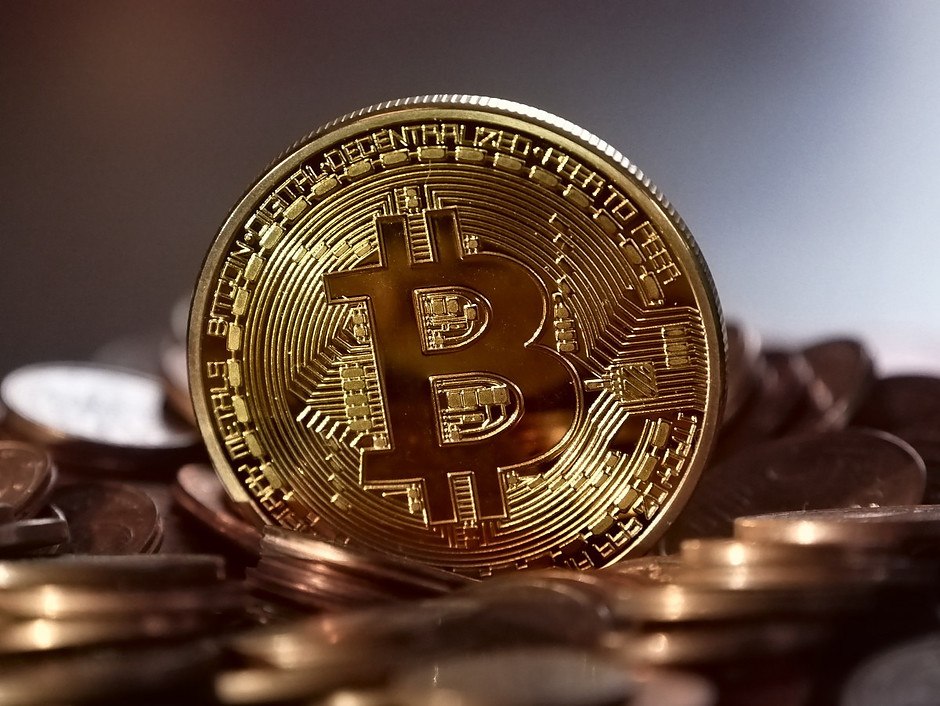
Photo: FXStreet
Market Volatility Reaches New Heights
Cryptocurrency markets have experienced a sharp downturn, pushing investor fear to a level of five on sentiment indices. Traders and analysts noted that panic selling and rapid price swings contributed to temporary instability. However, Bitcoin has managed to hold above seventy-one thousand dollars, signaling underlying market resilience.
Understanding the Fear Index
The Fear and Greed Index, widely used to gauge crypto market sentiment, reflects emotional responses of traders. A level of five indicates a period of extreme fear, often associated with uncertainty and caution. Historically, such low sentiment points to potential buying opportunities as markets stabilize.
Bitcoin’s Resilience Amid Uncertainty
Despite the prevailing fear, Bitcoin’s ability to maintain support around seventy-one thousand dollars demonstrates strong demand. Large-scale holders and institutional investors appear to be maintaining positions, providing a stabilizing effect even during turbulent periods. This resilience is a key factor in maintaining confidence in the market.
Ripple Effects Across Altcoins
Market uncertainty has impacted other cryptocurrencies, with altcoins experiencing sharper declines. Ethereum, Solana, and other major assets have been affected by fear-driven selling, though some have begun showing signs of recovery as traders assess risk and value. Correlation with Bitcoin remains strong, indicating its leadership role in the market.
Institutional Strategies During Volatility
Institutions often take a long-term view during periods of market stress. By holding positions or strategically acquiring assets during dips, institutional investors can provide stability and influence market recovery. Their engagement reduces the likelihood of extended downward spirals and supports liquidity.
Market Sentiment Slowly Improving
Following the initial shock, market sentiment shows signs of improvement. Traders are beginning to regain confidence as prices stabilize and volatility decreases. Observers suggest that periods of fear can create opportunities for strategic investment and portfolio rebalancing.
Technological and Infrastructure Support
Blockchain networks continue to operate smoothly, ensuring transactions remain secure and efficient even during volatile periods. Advancements in network scalability, wallet security, and exchange reliability have contributed to maintaining investor trust, reinforcing Bitcoin’s role as a resilient digital asset.
Global Economic Factors
External economic factors, including interest rates, inflation, and geopolitical events, influence cryptocurrency markets. During times of macroeconomic uncertainty, digital assets can experience both heightened risk and increased interest as alternative stores of value. Investors are closely monitoring these dynamics.
Risk Management and Strategy
Market participants are reminded to manage risk carefully during periods of fear. Diversification, stop-loss strategies, and informed decision-making remain essential to navigate volatility. Understanding market psychology can also help investors avoid panic-driven mistakes.
Outlook and Recovery Potential
While fear levels peaked at five, Bitcoin’s ability to hold above seventy-one thousand dollars suggests the market may be entering a recovery phase. As sentiment gradually improves and investor confidence returns, digital assets have the potential to regain momentum. Careful observation of both technical and fundamental indicators will guide market participants in the coming weeks.
Popular articles



Subscribe to unlock premium content
Disney’s Timeless Magic and How the Entertainment Giant Continues to Shape Culture and Innovation

Imran Khan’s Economic Missteps Amid Political Chaos in Pakistan

The Philippines’ Digital Shift How Remittances and BPO Are Fueling Growth

Disney’s Timeless Magic and How the Entertainment Giant Continues to Shape Culture and Innovation
Imran Khan’s Economic Missteps Amid Political Chaos in Pakistan
Disney’s Timeless Magic and How the Entertainment Giant Continues to Shape Culture and Innovation