Regulatory Progress and Institutional Adoption Continue to Drive Optimism Across Digital Asset Markets

Regulatory Progress and Institutional Adoption Continue to Drive Optimism Across Digital Asset Markets
By
Leah Rosenfeld
Last updated:
May 24, 2026
First Published:
May 24, 2026


Photo: EY
The cryptocurrency industry is experiencing a renewed wave of optimism as regulatory progress and institutional adoption continue to shape market expectations. Across global financial centers, policymakers are gradually refining frameworks for digital assets, while major financial institutions are expanding their presence within the blockchain ecosystem. Together, these developments are reinforcing confidence in the long term viability of cryptocurrencies and digital financial infrastructure.
As of late May 2026, market participants are increasingly viewing regulatory clarity and institutional involvement as the two most important forces influencing the future trajectory of the industry. While volatility remains a defining feature of digital assets, the structural foundation supporting the market appears to be strengthening at a steady pace.
Regulatory Clarity Is Becoming a Key Market Driver
One of the most significant changes in the cryptocurrency landscape over recent years has been the gradual movement toward clearer regulatory guidelines. Governments and financial authorities across multiple regions are working to establish rules that define how digital assets should be issued, traded, and integrated into the broader financial system.
This shift toward regulatory clarity is important because it reduces uncertainty for businesses, investors, and financial institutions. When rules are unclear, many organizations hesitate to participate in emerging markets. As frameworks become more defined, confidence tends to increase, encouraging broader participation.
Recent progress in several jurisdictions has contributed to a more structured environment for cryptocurrency activity. Although approaches vary from country to country, the overall direction suggests increasing acceptance of digital assets as part of the global financial ecosystem.
Institutional Adoption Continues to Expand
Institutional involvement in cryptocurrency markets has grown significantly over the past several years. Asset managers, hedge funds, pension funds, and corporate treasuries are gradually incorporating digital assets into their investment strategies.
This trend represents a major shift from earlier stages of the market, when cryptocurrencies were primarily dominated by retail investors and speculative trading. Institutional participation introduces greater capital depth, improved liquidity, and more sophisticated investment strategies.
Many institutions are now exploring a wide range of blockchain related opportunities, including custody solutions, tokenized assets, stablecoin infrastructure, and decentralized financial products. Their involvement is helping to legitimize the industry and integrate it more closely with traditional financial systems.
Market Sentiment Strengthens on Structural Developments
Investor sentiment in cryptocurrency markets is often influenced by a combination of price action, technological innovation, and external economic conditions. However, structural developments such as regulatory progress and institutional adoption tend to have a more lasting impact on long term confidence.
The current optimistic outlook is largely driven by the perception that digital assets are becoming a permanent component of the global financial landscape. As more institutions enter the space and regulatory frameworks mature, investors gain increased confidence that the industry is moving toward stability and sustainability.
This shift in perception has helped support market resilience even during periods of short term uncertainty.
Bitcoin and Major Assets Benefit From Institutional Interest
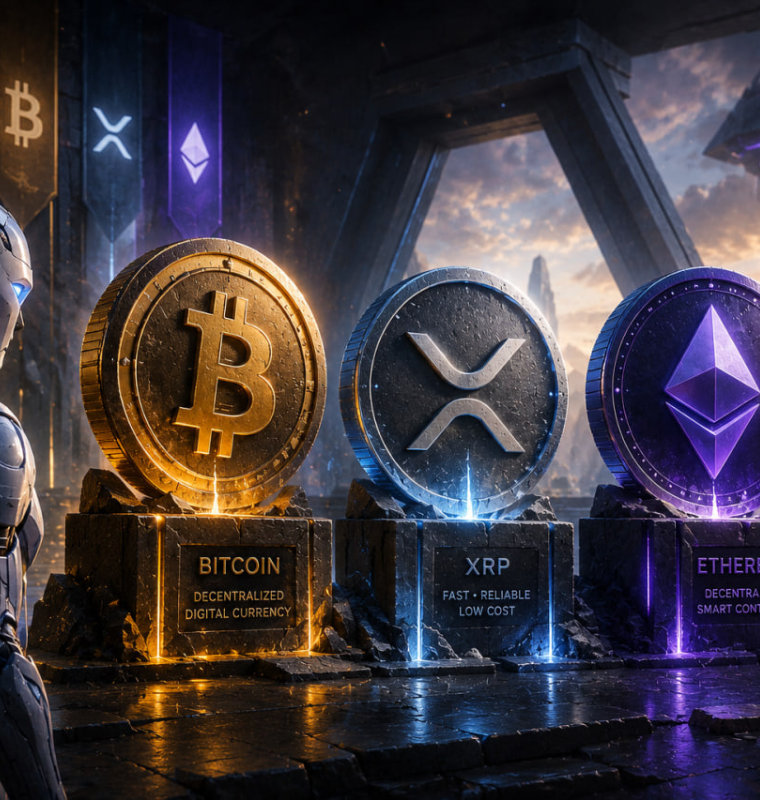
Bitcoin remains the primary entry point for institutional investors seeking exposure to the cryptocurrency market. Its status as the largest and most established digital asset makes it a preferred choice for funds and corporations entering the space.
Ethereum and other major blockchain networks also benefit from institutional interest, particularly due to their role in decentralized applications, smart contracts, and tokenization infrastructure.
As institutional adoption increases, these leading assets often experience stronger liquidity and more stable trading conditions compared to smaller projects. This dynamic reinforces their position at the center of the digital asset ecosystem.
Regulatory Progress Encourages Product Innovation
Clearer regulatory frameworks not only increase investor confidence but also enable financial institutions to develop new products and services. Exchanges, banks, and asset managers are more willing to launch cryptocurrency related offerings when compliance requirements are clearly defined.
This has led to the expansion of regulated investment vehicles, custodial services, and blockchain based financial products designed for institutional clients.
In many cases, regulatory clarity acts as a catalyst for innovation by providing the legal certainty needed for large scale participation.
Global Competition in Digital Asset Regulation
Countries around the world are competing to establish themselves as leading hubs for blockchain innovation. Some jurisdictions are focusing on attracting cryptocurrency businesses through supportive policies, while others emphasize stricter oversight to ensure financial stability and consumer protection.
This global competition is shaping how the industry evolves. Regions with clear and balanced regulations are often more successful in attracting investment and technological development.
As regulatory frameworks continue to evolve, the geographic distribution of blockchain innovation may shift significantly over time.
Increased Confidence in Long Term Adoption
One of the most important outcomes of regulatory progress and institutional participation is increased confidence in long term adoption. Investors are increasingly viewing digital assets not as short lived speculative instruments but as part of a broader technological transformation in finance.
This perspective shift is encouraging longer investment horizons and more strategic capital allocation decisions. Instead of reacting to short term price movements, many participants are focusing on structural trends that will shape the industry over the next decade.
This change in mindset is helping to stabilize market behavior and support more sustainable growth.
Infrastructure Development Supports Market Growth
Behind the scenes, significant improvements in blockchain infrastructure are helping to support broader adoption. Advances in scalability, security, interoperability, and user experience are making digital assets more practical for everyday use.
Institutional investors often evaluate infrastructure quality when making investment decisions. As blockchain networks continue to mature, they become more attractive to large scale participants seeking reliable and efficient systems.
This ongoing development is essential for supporting the next phase of market expansion.
Risks and Uncertainties Remain
Despite growing optimism, the cryptocurrency industry still faces several challenges. Regulatory frameworks are not yet fully harmonized across regions, and differences in policy approaches can create complexity for global operations.
Market volatility remains an inherent characteristic of digital assets, and sudden shifts in macroeconomic conditions can still influence investor behavior. Additionally, technological risks and cybersecurity concerns continue to require careful management.
These factors ensure that while sentiment is improving, the industry is still in a transitional phase.
The Path Toward Mainstream Integration
The combined effects of regulatory progress and institutional adoption suggest that cryptocurrency markets are gradually moving toward deeper integration with traditional financial systems. Rather than existing as a separate or alternative ecosystem, digital assets are increasingly being incorporated into mainstream finance.
This integration is likely to occur gradually, with continued collaboration between regulators, financial institutions, and blockchain developers playing a central role.
As these relationships strengthen, the distinction between traditional and digital finance may become less pronounced over time.
The cryptocurrency industry is entering a phase where regulatory clarity and institutional participation are becoming the primary drivers of long term optimism. These developments are helping to establish a more stable and credible foundation for digital assets within the global financial system.
While challenges remain, the overall trajectory points toward increasing acceptance and integration. As regulatory frameworks mature and institutional involvement expands, the cryptocurrency market is likely to become a more established and structurally supported component of global finance.

Popular articles



Subscribe to unlock premium content
Imran Khan’s Economic Missteps Amid Political Chaos in Pakistan

The Philippines’ Digital Shift How Remittances and BPO Are Fueling Growth

Is the Era of Globalization Over or Just Evolving?
Imran Khan’s Economic Missteps Amid Political Chaos in Pakistan
The Philippines’ Digital Shift How Remittances and BPO Are Fueling Growth
Imran Khan’s Economic Missteps Amid Political Chaos in Pakistan