New York Stock Exchange Owner Expands Deep Into Crypto and Tokenized Assets

New York Stock Exchange Owner Expands Deep Into Crypto and Tokenized Assets
By
Rachel Steinberg
Last updated:
April 21, 2026
First Published:
April 25, 2026

A Major Wall Street Shift Toward Digital Assets
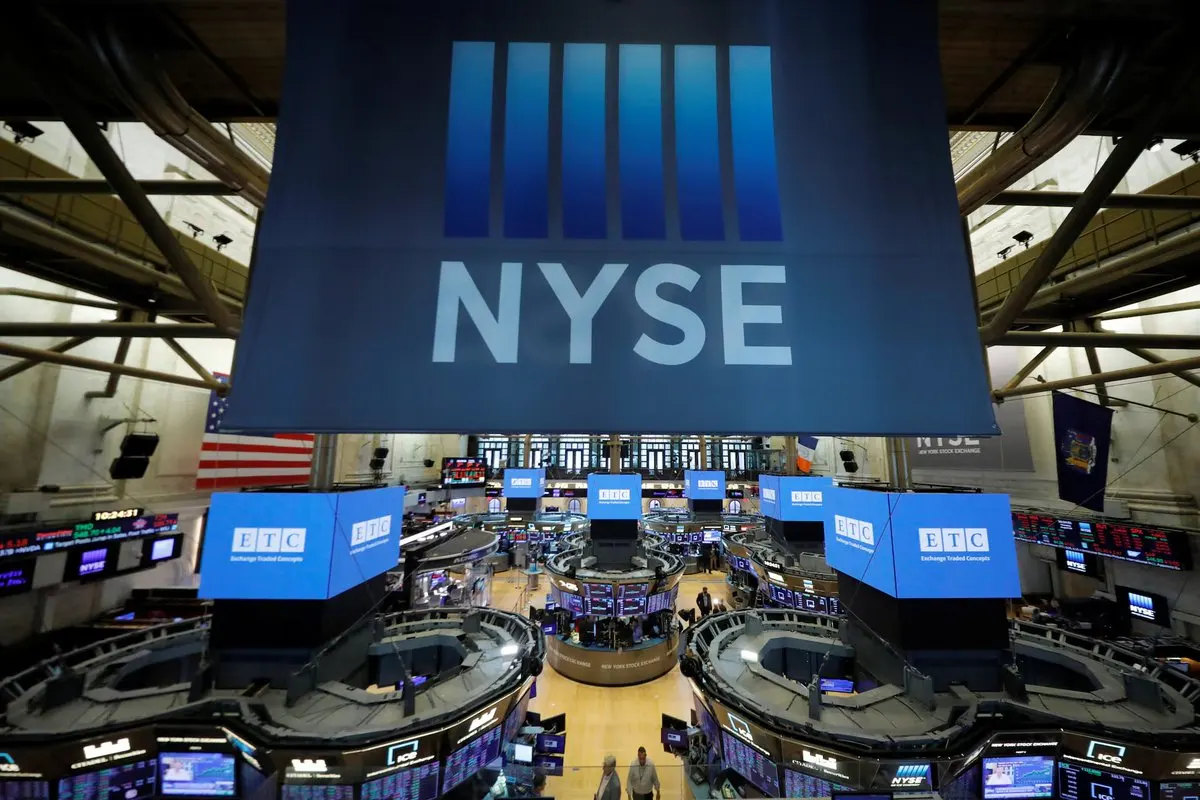
One of the most influential developments in the financial sector has emerged from the owner of the New York Stock Exchange expanding its strategic footprint into cryptocurrency and tokenized assets. This move represents a significant convergence between traditional capital markets and blockchain based financial infrastructure. It signals that digital assets are no longer viewed as peripheral innovations but as integral components of the future investment landscape.
Tokenization Becomes a Central Investment Theme
At the core of this expansion is the growing emphasis on tokenization, the process of representing real world assets on blockchain networks. This includes equities, bonds, commodities, and even alternative assets being digitized for improved efficiency and accessibility. The initiative suggests that tokenization is transitioning from experimental pilots into structured financial products designed for institutional use.
Bridging Traditional Markets with Blockchain Infrastructure
The integration effort focuses on creating seamless connections between legacy financial systems and decentralized blockchain technology. By doing so, market operators aim to reduce settlement times, lower operational costs, and increase transparency. This hybrid model allows traditional investors to access blockchain benefits without abandoning established regulatory frameworks.
Institutional Demand Drives Strategic Expansion
Growing institutional demand for digital asset exposure has played a major role in accelerating this expansion. Asset managers and hedge funds are increasingly seeking regulated pathways into crypto markets, and established exchanges are uniquely positioned to provide that access. This demand has encouraged traditional financial institutions to build infrastructure that supports both digital and tokenized instruments.
Improved Market Efficiency Through Tokenization
One of the key advantages of tokenized assets is the potential for enhanced market efficiency. Blockchain based settlement systems can reduce the need for intermediaries, streamline transaction processing, and enable near instant settlement. These improvements could fundamentally reshape how financial markets operate at scale, particularly in high volume environments.
Regulatory Engagement Shapes the Expansion Strategy
This move is also being carefully aligned with evolving regulatory expectations. Financial institutions entering the crypto space must navigate complex compliance requirements, and collaboration with regulators is essential. The expansion strategy reflects a cautious but deliberate approach aimed at ensuring that innovation does not outpace oversight.
Increased Liquidity Across Asset Classes
Tokenization has the potential to unlock liquidity in traditionally illiquid markets. By fractionalizing assets and enabling broader participation, investors can access markets that were previously restricted to large institutions. This increased accessibility could significantly expand global capital flows and diversify investment opportunities.
Wall Street and Crypto Ecosystem Convergence
The involvement of a major exchange owner highlights the accelerating convergence between Wall Street and the crypto ecosystem. What was once seen as a disruptive external force is now being integrated into the core structure of global finance. This convergence suggests that the distinction between traditional and digital markets is gradually dissolving.
Technology Infrastructure Becomes a Competitive Advantage
As financial institutions compete in this evolving landscape, technological infrastructure is becoming a key differentiator. Exchanges that can efficiently support blockchain integration, token issuance, and digital settlement will likely gain a competitive edge. This is driving significant investment in backend systems and digital architecture.
Investor Access Expands Significantly
For investors, this development opens the door to a wider range of financial products and markets. Tokenized securities and crypto linked instruments provide new avenues for diversification and portfolio construction. Retail and institutional investors alike stand to benefit from increased accessibility and reduced friction in trading processes.
A Structural Transformation of Global Finance
The expansion into crypto and tokenized assets represents more than a strategic business decision. It reflects a structural transformation in how financial markets are built and operated. As traditional exchanges adopt blockchain based systems, the global financial ecosystem is moving toward a more integrated, efficient, and digitally native future.

Popular articles



Subscribe to unlock premium content
Ripple and Bitso Expand Partnership as RLUSD Stablecoin Ecosystem Gains Momentum
Bybit Introduces Tokenized SpaceX IPO Shares in Landmark Real World Asset Initiative
Crypto Tax Debate Intensifies in Washington Over Mining and Staking Rewards

Ripple and Bitso Expand Partnership as RLUSD Stablecoin Ecosystem Gains Momentum
Bybit Introduces Tokenized SpaceX IPO Shares in Landmark Real World Asset Initiative
Ripple and Bitso Expand Partnership as RLUSD Stablecoin Ecosystem Gains Momentum