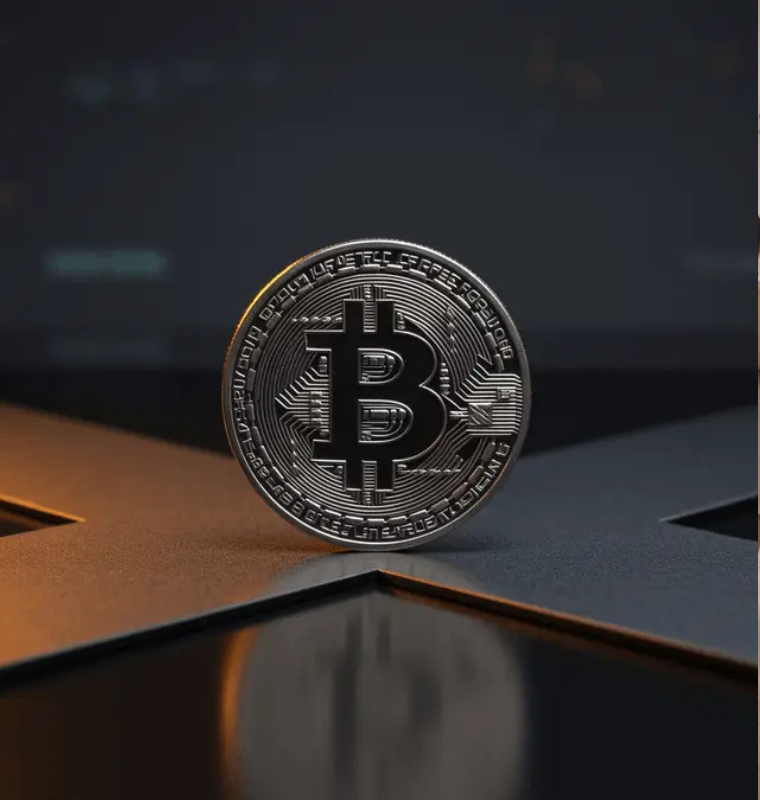
Binance Delists Multiple Tokens as Market Cleanup Efforts Intensify Across Crypto Sector

Binance Delists Multiple Tokens as Market Cleanup Efforts Intensify Across Crypto Sector
By
Leah Rosenfeld
Last updated:
April 22, 2026
First Published:
April 25, 2026


A Significant Move in Exchange Policy
The global cryptocurrency exchange Binance has announced the removal of several tokens from its trading platform as part of an ongoing effort to improve market quality. This decision reflects a broader trend among major exchanges to reassess listed assets and ensure that only projects meeting higher standards remain available for trading. The move has drawn attention from traders and developers across the industry.
Rationale Behind the Delisting Decision
The primary reason behind the removal of these tokens is linked to internal reviews of project activity, liquidity conditions, and overall development progress. Exchanges regularly evaluate listed assets to ensure they maintain sufficient user interest and operational transparency. Tokens that fail to meet these expectations are often removed to protect users and maintain platform integrity.
Impact on Traders and Market Activity
Delisting announcements typically lead to immediate reactions in the market. Traders holding affected assets often rush to reposition their portfolios before trading access is restricted. This can result in increased volatility for the tokens involved. In some cases, liquidity declines sharply as confidence in the asset weakens following the announcement.
Exchange Responsibility and Market Standards
Centralized exchanges play an important role in shaping the quality of the broader crypto market. By enforcing listing standards, platforms like Binance help filter out projects that no longer meet operational expectations. This process is intended to improve overall market reliability and reduce exposure to low activity or inactive assets.
Effects on Smaller Projects
For smaller blockchain projects, a delisting can present significant challenges. Loss of access to a major trading platform reduces visibility and can limit user participation. Some projects may struggle to regain momentum after being removed, especially if they lack alternative exchange listings or strong community support.
User Protection as a Central Focus
One of the key motivations behind periodic asset reviews is user protection. Exchanges aim to minimize risks associated with low quality or poorly maintained projects. By removing tokens that do not meet standards, platforms attempt to create a safer trading environment for both retail and institutional participants.
Market Reaction and Sentiment Shifts
The announcement has contributed to mixed sentiment across the market. While some participants view the cleanup as a positive step toward higher quality standards, others are concerned about short term disruptions. The removal of multiple assets at once can create uncertainty, especially among traders who hold diversified portfolios.
Increased Scrutiny Across the Industry
This move is not isolated. Other major exchanges have also been reviewing their listed assets more frequently. The growing emphasis on compliance, transparency, and project sustainability reflects a maturing industry that is moving closer to traditional financial market practices.
Liquidity Redistribution Effects
When tokens are removed from a major exchange, trading activity often shifts to smaller platforms or decentralized venues. This redistribution of liquidity can temporarily fragment market activity. Over time, however, liquidity tends to consolidate around assets that maintain strong fundamentals and consistent demand.
Long Term Implications for Token Projects
Projects affected by delisting decisions may need to reassess their strategies. Many will focus on rebuilding community trust, improving development activity, and seeking listings on alternative platforms. The ability to adapt quickly often determines whether a project can recover or fade from relevance.
Strengthening Market Quality Over Time
Although delistings can create short term disruption, they are generally seen as part of a broader effort to strengthen the cryptocurrency ecosystem. By removing underperforming or inactive assets, exchanges encourage healthier competition among projects. This contributes to a more stable and reliable trading environment over time.
A Sign of Industry Maturity
The decision by Binance to remove multiple tokens highlights the ongoing evolution of the digital asset market. As the industry matures, higher standards and stricter evaluations are becoming the norm. While this process can be challenging for some participants, it ultimately supports the development of a more resilient and trustworthy financial ecosystem.

Popular articles



Subscribe to unlock premium content
Ripple and Bitso Expand Partnership as RLUSD Stablecoin Ecosystem Gains Momentum
Bybit Introduces Tokenized SpaceX IPO Shares in Landmark Real World Asset Initiative
Crypto Tax Debate Intensifies in Washington Over Mining and Staking Rewards
Ripple and Bitso Expand Partnership as RLUSD Stablecoin Ecosystem Gains Momentum
Bybit Introduces Tokenized SpaceX IPO Shares in Landmark Real World Asset Initiative
Ripple and Bitso Expand Partnership as RLUSD Stablecoin Ecosystem Gains Momentum