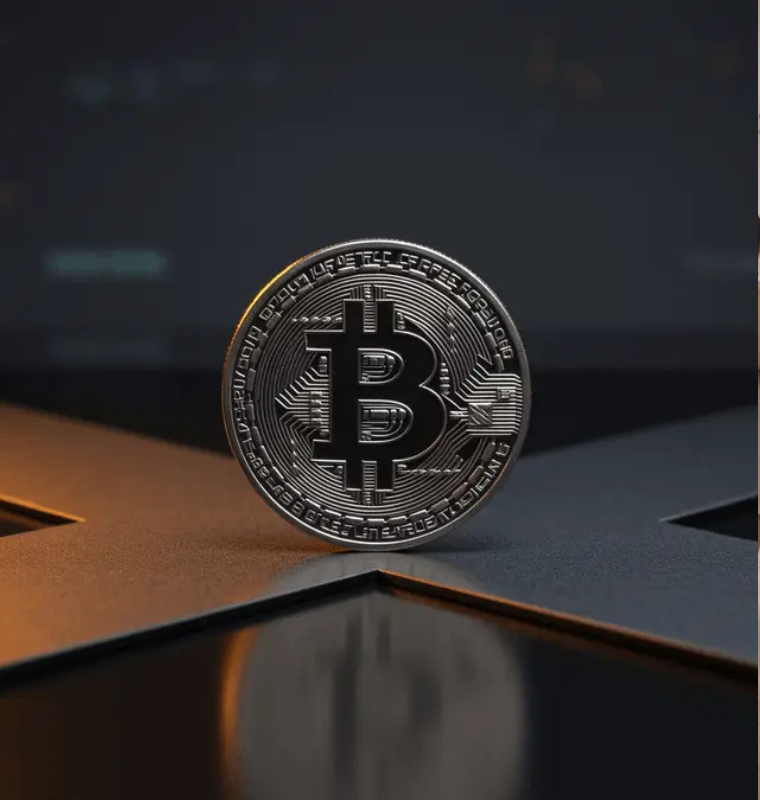

Kelp DAO Hit by Massive Exploit Shaking DeFi Confidence
By
Alina Sinclair
Last updated:
April 19, 2026
First Published:
April 25, 2026


A Sudden Shock to the DeFi Ecosystem
The decentralized finance sector faced one of its most alarming moments of the year as Kelp DAO suffered a devastating exploit that drained approximately 293 million dollars from its ecosystem. The incident sent shockwaves across the crypto landscape, not only because of the scale of the loss but also due to the growing perception that even advanced protocols remain vulnerable. Investors and developers alike were forced to confront an uncomfortable reality about the fragility of smart contract systems.
Understanding What Kelp DAO Represents
Kelp DAO had positioned itself as an innovative player in liquid staking and yield optimization. It attracted a wide base of users seeking passive income opportunities through staking derivatives and automated strategies. Its rapid rise was fueled by aggressive adoption and strong community backing, making the exploit even more impactful. The breach was not just a financial loss but a blow to confidence in emerging DeFi infrastructure.
How the Exploit Unfolded
Early reports suggest that attackers identified a vulnerability within the protocol’s smart contract logic. By exploiting this weakness, they were able to manipulate internal accounting mechanisms and withdraw funds at scale. The attack was executed with precision and speed, leaving little room for intervention once it began. Such incidents highlight how even minor oversights in code can lead to catastrophic outcomes in decentralized systems.
Immediate Market Reaction
The broader crypto market reacted swiftly as news of the exploit spread. Tokens associated with Kelp DAO experienced sharp declines, while sentiment across DeFi platforms turned cautious. Liquidity providers began withdrawing funds from similar protocols, fearing potential ripple effects. This kind of reaction demonstrates how interconnected the DeFi ecosystem has become, where a single failure can trigger widespread uncertainty.
Impact on Investors and Users
For individual users, the exploit translated into significant financial losses. Many participants had trusted the protocol with substantial portions of their portfolios, drawn by attractive yield opportunities. The incident has reignited debates about risk management in DeFi, especially for retail investors who may not fully understand the technical complexities behind these platforms.
Security Practices Under Scrutiny
The exploit has once again placed the spotlight on smart contract auditing and security protocols. While Kelp DAO had undergone audits prior to launch, the breach raises questions about the effectiveness and depth of such reviews. It underscores the need for continuous testing, real time monitoring, and layered security approaches rather than relying solely on pre deployment audits.
The Role of Decentralization in Crisis Response
One of the defining characteristics of DeFi is its decentralized nature, which can be both a strength and a limitation. In traditional finance, institutions can freeze accounts or reverse transactions during emergencies. In contrast, decentralized protocols often lack such mechanisms, making it difficult to mitigate damage once an exploit occurs. This incident highlights the ongoing challenge of balancing decentralization with practical safeguards.
Industry Wide Implications
The Kelp DAO exploit is likely to have long lasting implications for the DeFi industry. Developers may become more conservative in launching new features, prioritizing security over rapid innovation. Investors may demand greater transparency and stronger guarantees before committing capital. Regulators could also take a renewed interest in overseeing decentralized platforms, especially as losses of this magnitude attract global attention.
Lessons for the Future
There are critical lessons to be drawn from this event. Protocols must adopt rigorous security frameworks that include multiple layers of defense. Users should diversify their investments and avoid overexposure to a single platform. Education will play a crucial role in helping participants understand both the opportunities and risks associated with decentralized finance.
A Turning Point for Trust in DeFi
While the exploit represents a setback, it may also serve as a turning point for the industry. Periods of crisis often drive innovation and improvement. If developers and stakeholders respond effectively, the long term outcome could be a more resilient and secure DeFi ecosystem. However, rebuilding trust will require transparency, accountability, and a commitment to stronger infrastructure.
The Kelp DAO exploit stands as a stark reminder that the promise of decentralized finance is still evolving. With immense opportunity comes equally significant risk. As the industry matures, the focus must shift toward creating systems that are not only efficient and profitable but also robust and secure. Only then can DeFi achieve sustainable growth and broader adoption.

Popular articles



Subscribe to unlock premium content
Ripple and Bitso Expand Partnership as RLUSD Stablecoin Ecosystem Gains Momentum
Bybit Introduces Tokenized SpaceX IPO Shares in Landmark Real World Asset Initiative

Crypto Tax Debate Intensifies in Washington Over Mining and Staking Rewards
Ripple and Bitso Expand Partnership as RLUSD Stablecoin Ecosystem Gains Momentum
Bybit Introduces Tokenized SpaceX IPO Shares in Landmark Real World Asset Initiative
Ripple and Bitso Expand Partnership as RLUSD Stablecoin Ecosystem Gains Momentum