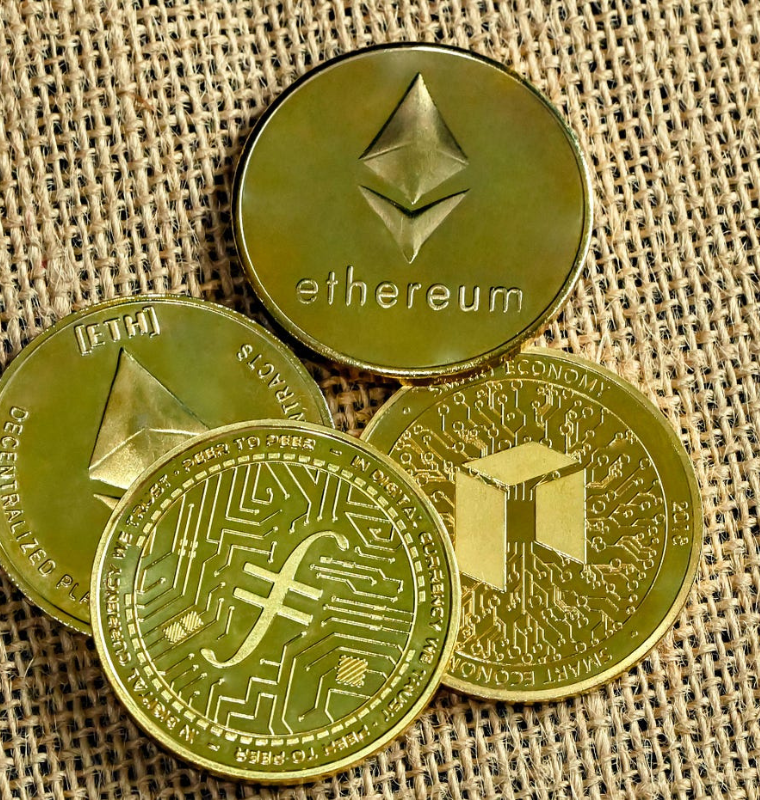
European Push for Euro Stablecoins Intensifies to Counter Dollar Dominance in Crypto

European Push for Euro Stablecoins Intensifies to Counter Dollar Dominance in Crypto
By
David Goldfarb
Last updated:
April 19, 2026
First Published:
April 19, 2026

.jpg)
Photo: Bloomberg
A Strategic Shift in Digital Currency Policy
European financial authorities and policymakers are increasingly focused on developing euro denominated stablecoins as a strategic response to the dominance of dollar backed digital assets. This initiative reflects a broader effort to strengthen the euro’s position in the evolving global financial system, particularly within the rapidly expanding cryptocurrency economy.
Why Stablecoins Matter in Global Finance
Stablecoins play a critical role in bridging traditional finance and blockchain based systems. They offer price stability while enabling fast and efficient digital transactions. At present, dollar backed stablecoins dominate global usage, giving the United States a significant influence over liquidity flows in crypto markets. Europe’s push aims to rebalance this dynamic.
Reducing Dependence on Dollar Pegged Assets
A major motivation behind the euro stablecoin initiative is reducing reliance on dollar linked digital assets. Many crypto transactions, trading pairs, and decentralized finance protocols are currently structured around USD stablecoins. By introducing strong euro alternatives, European policymakers hope to create a more balanced and regionally diversified digital currency ecosystem.
Strengthening the Euro’s Global Role
The development of euro stablecoins is also tied to long term ambitions of strengthening the euro as an international currency. As digital finance becomes more prominent, monetary influence is no longer limited to traditional banking systems. Having widely adopted euro stablecoins could increase Europe’s financial relevance in the digital era.
Regulatory Frameworks Driving Development
European regulators are working on structured frameworks to ensure that stablecoins meet strict compliance standards. These include requirements related to transparency, reserve backing, and operational security. The goal is to build trust in euro denominated digital assets while maintaining financial stability.
Impact on Crypto Market Liquidity
If successful, euro stablecoins could significantly reshape liquidity patterns in the cryptocurrency market. New trading pairs denominated in euros may emerge across exchanges, reducing dependence on USD liquidity pools. This shift could also encourage more regional participation in digital asset markets.
Implications for Decentralized Finance
Decentralized finance platforms may also experience structural changes as euro stablecoins gain traction. Lending, borrowing, and yield generation protocols could integrate euro based liquidity pools, offering users more currency diversification options. This would enhance financial flexibility within DeFi ecosystems.
Competition Among Global Currencies in Digital Form
The rise of euro stablecoins adds another layer to the global competition between major currencies in digital form. Alongside the dollar and emerging Asian digital currency initiatives, Europe’s efforts contribute to a multipolar digital monetary system. This competition is likely to intensify as adoption grows.
Challenges to Widespread Adoption
Despite strong policy support, euro stablecoins face several challenges. Adoption depends on liquidity depth, exchange integration, and user trust. Competing with well established dollar stablecoins will require sustained coordination between regulators, financial institutions, and technology providers.
Institutional and Banking Sector Involvement
European banks and financial institutions are expected to play a key role in issuing and managing euro stablecoins. Their involvement adds credibility and infrastructure support, which are essential for large scale adoption. This collaboration between public policy and private finance is central to the initiative’s success.
Long Term Impact on Digital Finance
If euro stablecoins gain significant adoption, they could reshape how value moves across digital ecosystems. Cross border payments, trading settlements, and decentralized applications may increasingly rely on multi currency stablecoin systems. This would mark a major evolution in global financial infrastructure.
Europe’s intensified push for euro stablecoins represents a strategic effort to assert monetary relevance in the digital age. By challenging dollar dominance in crypto markets, the initiative aims to create a more balanced and competitive financial ecosystem. The outcome could have lasting implications for both traditional finance and blockchain based economies.

Popular articles



Subscribe to unlock premium content
Disney’s Timeless Magic and How the Entertainment Giant Continues to Shape Culture and Innovation

Imran Khan’s Economic Missteps Amid Political Chaos in Pakistan

The Philippines’ Digital Shift How Remittances and BPO Are Fueling Growth

Disney’s Timeless Magic and How the Entertainment Giant Continues to Shape Culture and Innovation
Imran Khan’s Economic Missteps Amid Political Chaos in Pakistan
Disney’s Timeless Magic and How the Entertainment Giant Continues to Shape Culture and Innovation