

Japan’s Major Banks Move Toward a Unified Stablecoin System
By
David Goldfarb
Last updated:
June 10, 2026
First Published:
June 10, 2026


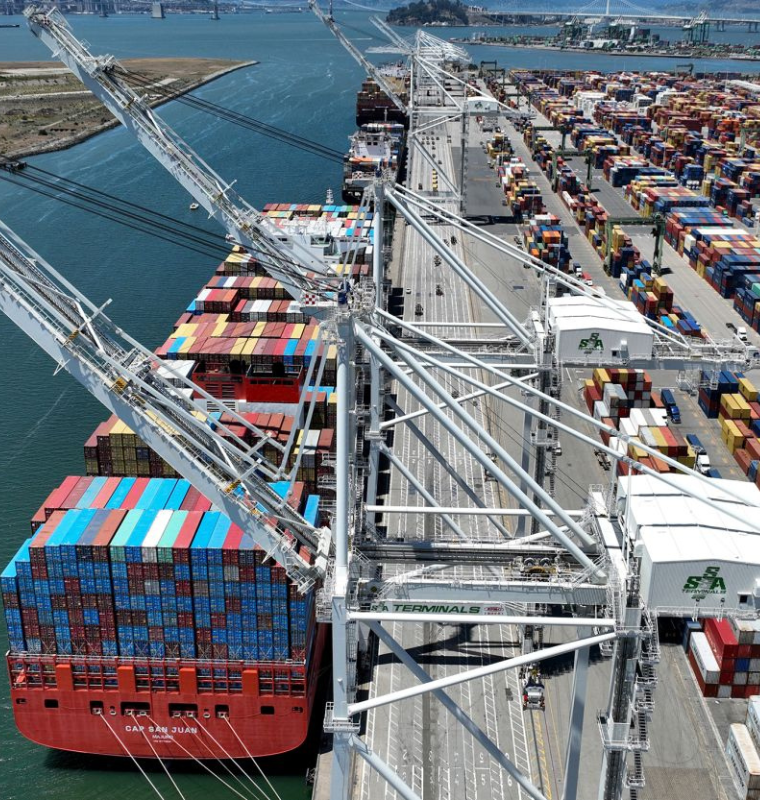
Photo: The Block
A Landmark Collaboration in Japanese Banking
Japan’s three largest banking groups are advancing plans to develop a shared stablecoin system aimed at modernizing payments and improving cross border settlement efficiency. The initiative represents one of the most significant coordinated efforts by traditional financial institutions to adopt blockchain infrastructure at scale.
The project highlights a growing recognition within the banking sector that digital currency systems can enhance transaction speed, reduce operational friction, and improve transparency across financial networks.
Strategic Shift Toward Digital Settlement Infrastructure
The collaboration between major banks signals a strategic shift from legacy payment systems toward blockchain based settlement architecture. Traditional banking rails often rely on multiple intermediaries, which can slow down international transfers and increase costs.
By contrast, a unified stablecoin framework could allow participating institutions to transfer value directly on a shared ledger. This would reduce reliance on outdated reconciliation processes and enable near real time settlement across participating networks.
Focus on Cross Border Payment Efficiency
One of the primary motivations behind the initiative is the improvement of cross border payments. International transfers between banks typically involve multiple clearing systems, currency conversions, and compliance checks, which can delay final settlement.
A shared stablecoin system could streamline this process by using a common digital unit of value that operates across participating banks. This would reduce settlement delays and potentially lower transaction fees for both institutional and retail customers.
Increasing Competition in Global Financial Infrastructure
The move by Japanese banks reflects a broader global trend in which financial institutions are competing to modernize payment infrastructure. As digital asset adoption increases worldwide, countries and banking systems are seeking ways to maintain competitiveness in a rapidly evolving financial environment.
By developing their own stablecoin system, Japanese banks aim to strengthen their position in the global financial ecosystem and ensure they remain relevant as digital currency adoption expands.
Integration With Existing Banking Systems
A key aspect of the project is ensuring compatibility with existing banking infrastructure. Rather than replacing current systems entirely, the stablecoin framework is expected to operate alongside traditional payment networks.
This hybrid approach allows banks to gradually introduce blockchain based settlement while maintaining stability in existing financial operations. It also reduces operational risk during the transition period.
Regulatory Coordination and Oversight
Regulatory alignment plays a central role in the development of the stablecoin initiative. Japanese financial authorities are expected to work closely with participating banks to ensure compliance with monetary policy requirements, anti money laundering standards, and consumer protection rules.
This coordinated approach helps ensure that the digital currency system operates within a controlled financial environment while still enabling innovation in payment technology.
Potential Impact on Domestic Banking Services
If successfully implemented, the stablecoin system could significantly change how domestic banking services operate. Customers may benefit from faster transfers, improved payment transparency, and reduced transaction costs.
Businesses could also see improvements in cash flow management due to quicker settlement times. This may be particularly beneficial for companies engaged in international trade or frequent cross border transactions.
Expansion Possibilities Beyond Japan
Although the initiative is initially focused on domestic banking institutions, there is potential for future expansion beyond Japan. If the system proves effective, it could be adapted for use with international banking partners and global financial networks.
Such expansion would require additional regulatory cooperation and technical standardization, but it could ultimately lead to broader adoption of interoperable digital currency systems across borders.
Technology Foundations of the Stablecoin System
The proposed stablecoin framework is expected to rely on blockchain based ledger technology that records transactions in a secure and transparent manner. This type of system allows participating banks to verify transactions without relying on centralized reconciliation processes.
The underlying technology could also support programmable financial functions, enabling automated settlement rules and conditional payment structures that enhance efficiency.
Long Term Transformation of Banking Infrastructure
The development of a shared stablecoin system marks a potential turning point in the evolution of banking infrastructure. As financial institutions continue to explore digital currency solutions, the distinction between traditional banking and blockchain based finance continues to narrow.
Over time, such systems could form the foundation of a new financial architecture where settlement is faster, more transparent, and more interconnected than current models.
A Step Toward Digital Financial Integration
Japan’s leading banks are positioning themselves at the forefront of financial innovation by exploring a unified stablecoin system. While the project is still in development, it reflects a clear direction toward modernization of payment infrastructure.
If successful, the initiative could serve as a model for other global banking systems seeking to integrate blockchain technology into core financial operations while maintaining regulatory stability and institutional trust.

Popular articles



Subscribe to unlock premium content
Imran Khan’s Economic Missteps Amid Political Chaos in Pakistan

The Philippines’ Digital Shift How Remittances and BPO Are Fueling Growth

Is the Era of Globalization Over or Just Evolving?
Imran Khan’s Economic Missteps Amid Political Chaos in Pakistan
The Philippines’ Digital Shift How Remittances and BPO Are Fueling Growth
Imran Khan’s Economic Missteps Amid Political Chaos in Pakistan


.png)