

RWA Tokenization Market Climbs to Record 28.9 Billion Dollars
By
Rachel Steinberg
Last updated:
June 10, 2026
First Published:
June 10, 2026

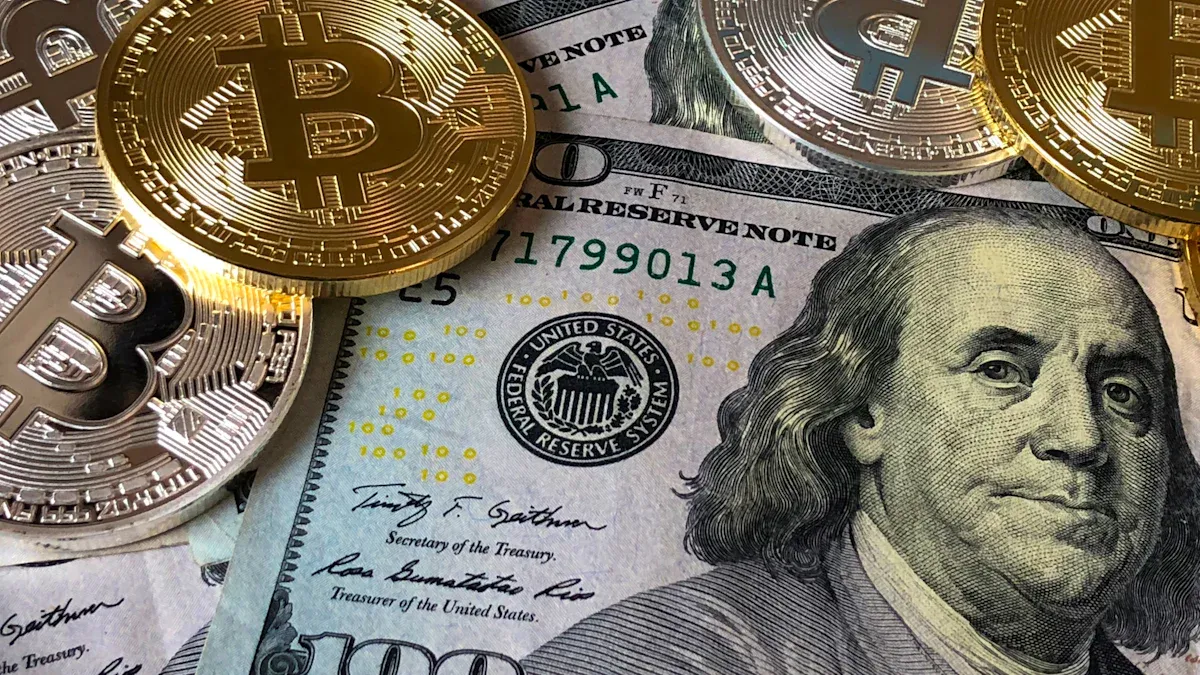
Photo: Safeheron
The Rapid Expansion of Tokenized Financial Assets
The market for real world asset tokenization has reached a new milestone with total valuation climbing to 28.9 billion dollars. This growth reflects accelerating interest from financial institutions, asset managers, and blockchain platforms seeking to digitize traditional financial instruments on distributed ledger systems.
Tokenization refers to the process of converting ownership rights of physical or financial assets into digital tokens that can be recorded and transferred on blockchain networks. This model is increasingly being applied across bonds, private credit, funds, commodities, and other financial instruments.
A Structural Shift in Asset Management
The expansion of tokenized assets signals a broader transformation in global asset management practices. Traditional systems rely heavily on intermediaries, manual reconciliation, and delayed settlement processes. Tokenization introduces automation and direct settlement mechanisms that reduce operational inefficiencies.
As a result, financial institutions are beginning to view tokenization not as an experimental concept but as a viable infrastructure upgrade for capital markets.
Institutional Participation Accelerates Growth
One of the primary drivers of market expansion is the growing participation of institutional investors. Asset managers and financial firms are increasingly exploring blockchain based platforms to improve liquidity, transparency, and settlement speed.
These institutions are motivated by the potential to streamline operations and unlock new investment opportunities that were previously constrained by traditional market structures.
Expansion Across Multiple Asset Classes
Tokenization is no longer limited to a narrow set of financial instruments. It is now expanding across multiple asset classes including government bonds, corporate debt, private equity, and real estate related financial products.
This diversification demonstrates that blockchain based systems are capable of supporting a wide range of financial structures. It also indicates growing confidence in the scalability of tokenization technology.
Improved Liquidity and Market Accessibility
One of the key advantages of tokenized assets is improved liquidity. By dividing traditionally illiquid assets into smaller digital units, tokenization enables broader investor participation and easier transferability.
This increased accessibility allows a wider range of investors to participate in markets that were previously restricted to large institutional players.
Efficiency Gains in Settlement Processes
Traditional financial markets often require multiple days to settle transactions due to complex intermediary networks. Tokenized systems can significantly reduce settlement times by enabling near immediate verification and transfer of ownership.
This improvement enhances capital efficiency and reduces counterparty risk, making financial systems more responsive and adaptive.
Role of Blockchain Infrastructure Providers
Blockchain infrastructure providers play a crucial role in supporting the growth of tokenized markets. These platforms offer the technical frameworks necessary for issuing, managing, and transferring digital assets securely.
Their systems ensure compliance, security, and interoperability, which are essential for institutional adoption at scale.
Regulatory Developments Supporting Growth
Regulatory clarity is gradually improving in several jurisdictions, allowing financial institutions to explore tokenization with greater confidence. Policymakers are focusing on establishing guidelines for asset backing, investor protection, and operational transparency.
While regulatory frameworks are still evolving, the direction of policy development suggests increasing acceptance of tokenized financial systems.
Integration With Traditional Financial Markets
Rather than replacing traditional markets, tokenization is increasingly being integrated into existing financial systems. Many institutions are adopting hybrid models that combine conventional infrastructure with blockchain based settlement layers.
This approach allows gradual transformation while minimizing disruption to established financial operations.
Challenges to Widespread Adoption
Despite strong growth, several challenges remain. These include interoperability between blockchain networks, legal recognition of digital ownership rights, and standardization of token formats across platforms.
Addressing these challenges will be essential for achieving broader global adoption of tokenized financial systems.
Long Term Outlook for Tokenized Assets
The continued expansion of the tokenized asset market suggests a long term shift toward digitized capital markets. As infrastructure matures and regulatory clarity improves, tokenization is likely to become a core component of global financial systems.
The current growth to 28.9 billion dollars represents not only a milestone but also an indicator of a broader transformation in how assets are issued, traded, and managed in the digital era.

Popular articles



Subscribe to unlock premium content
Imran Khan’s Economic Missteps Amid Political Chaos in Pakistan

The Philippines’ Digital Shift How Remittances and BPO Are Fueling Growth

Is the Era of Globalization Over or Just Evolving?
Imran Khan’s Economic Missteps Amid Political Chaos in Pakistan
The Philippines’ Digital Shift How Remittances and BPO Are Fueling Growth
Imran Khan’s Economic Missteps Amid Political Chaos in Pakistan